📧 Email: scooter1@leadwaycn.com 📞 Whatsapp/Tel: +8613480102329
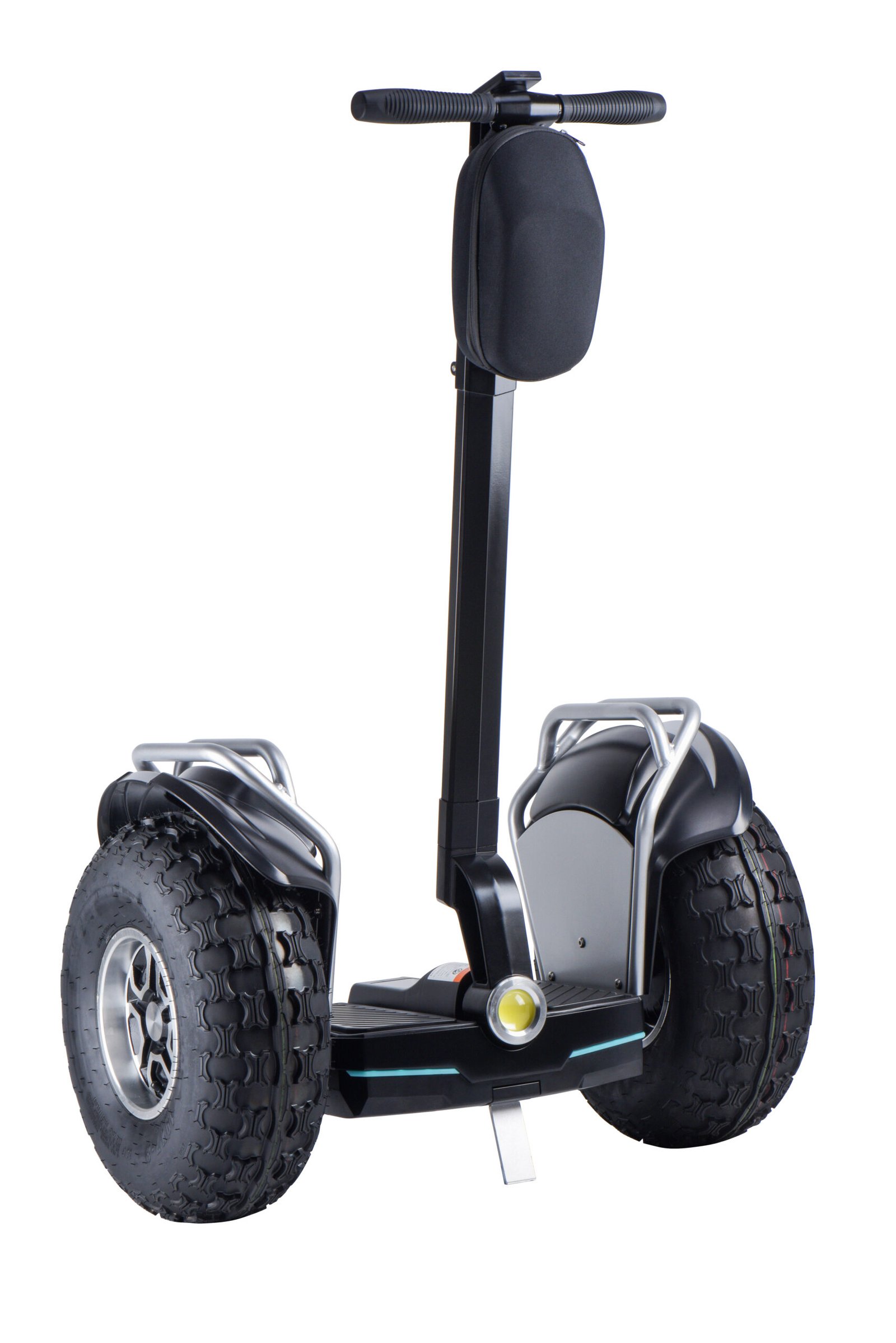
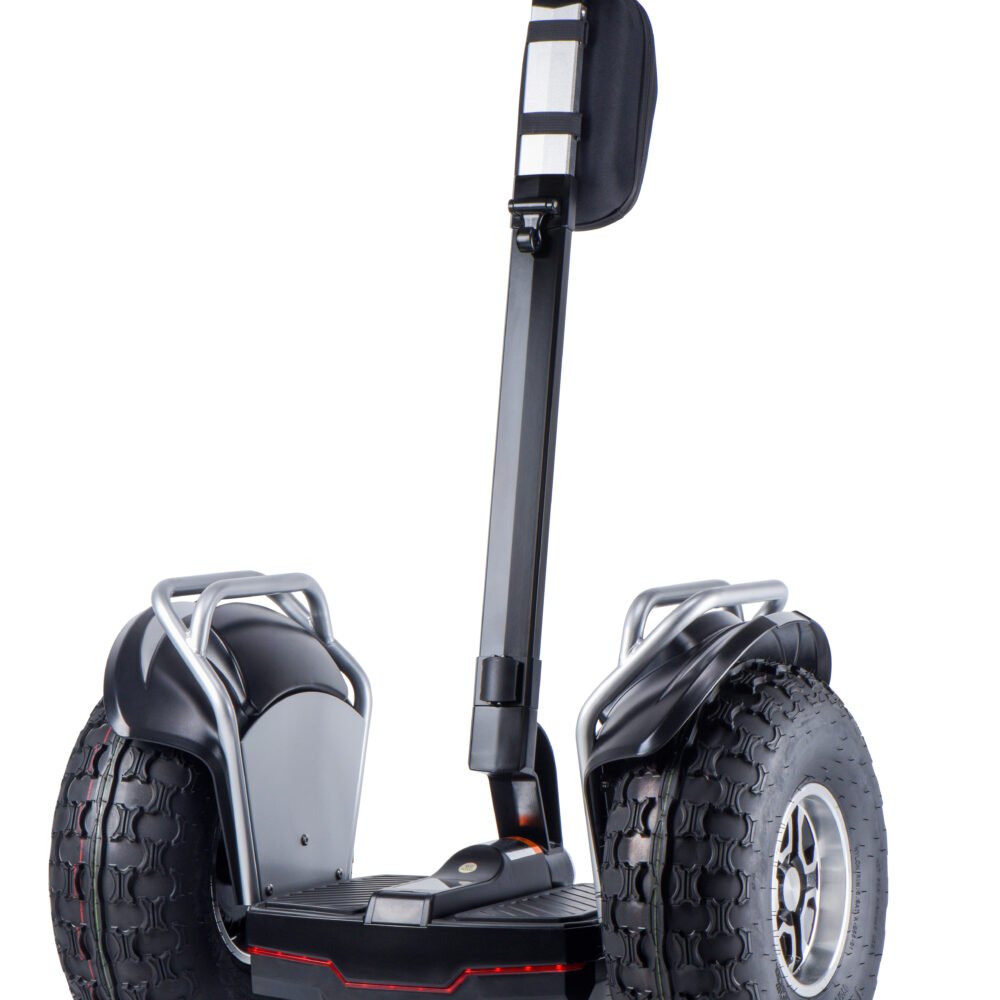
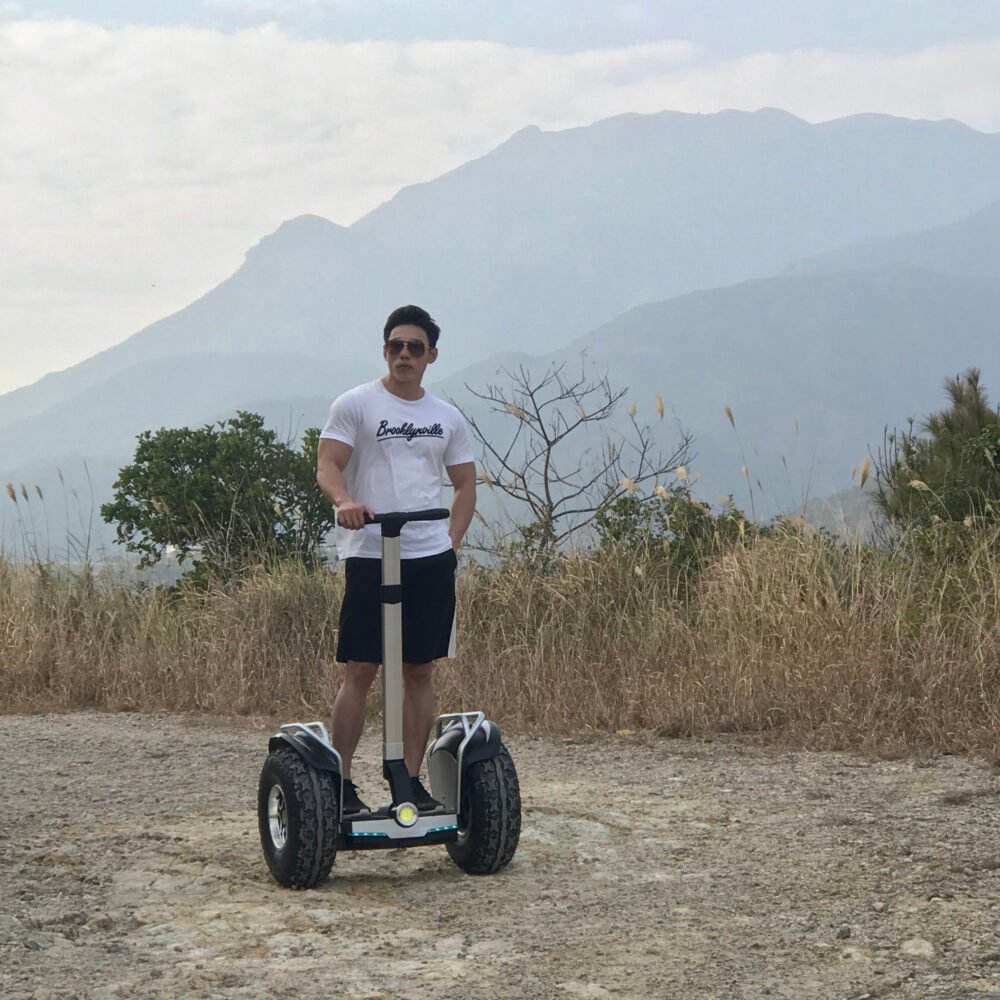
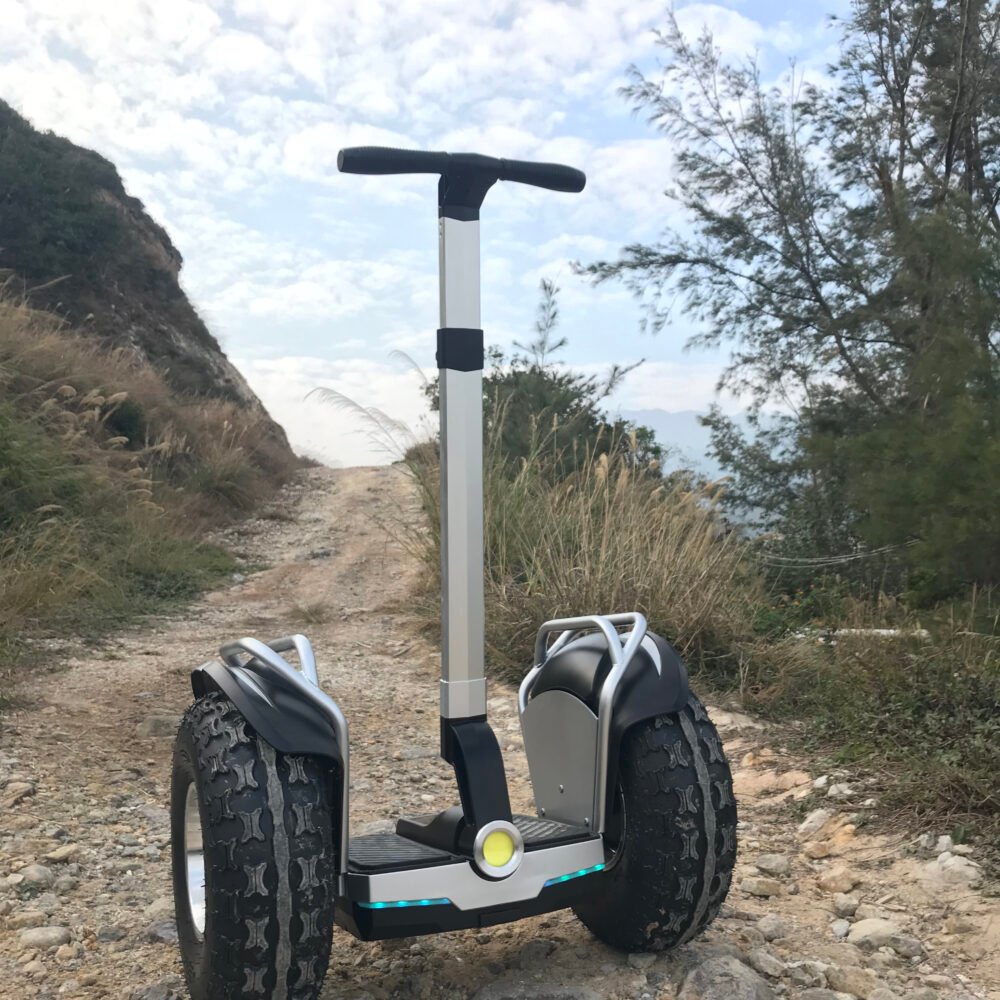
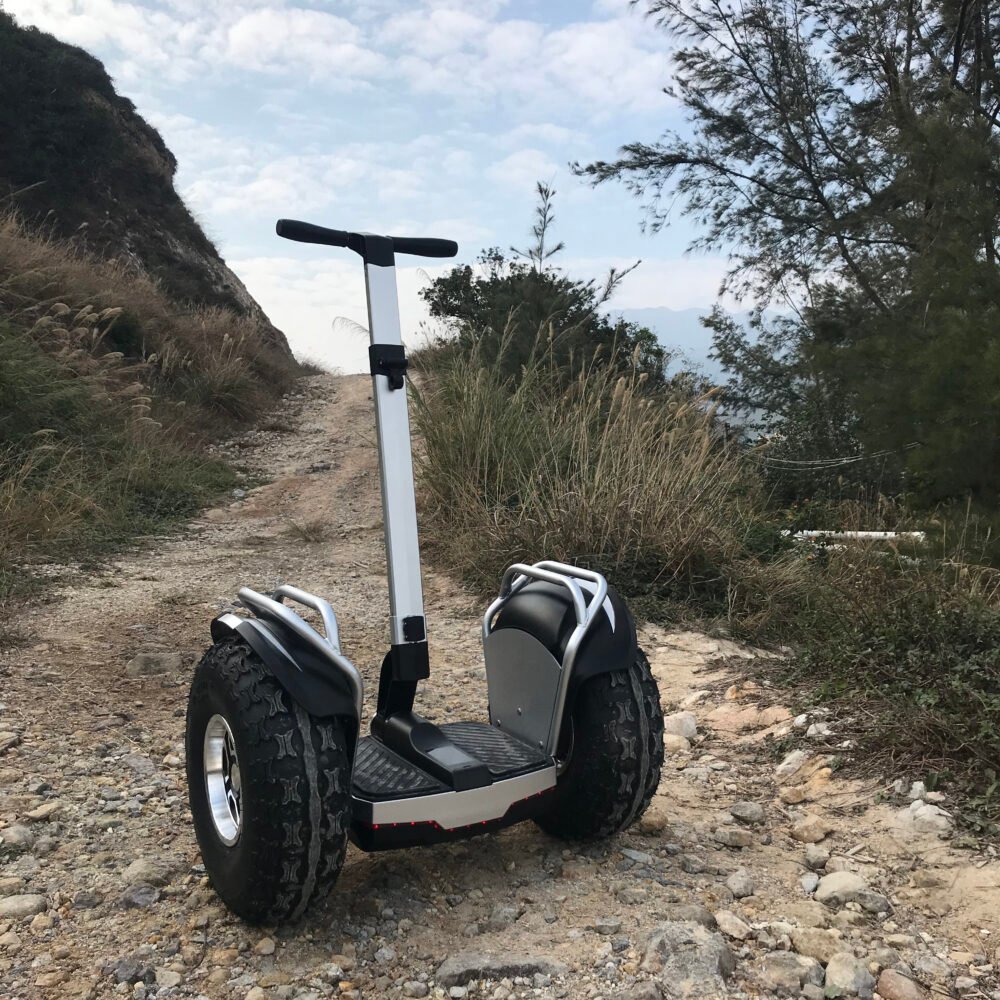
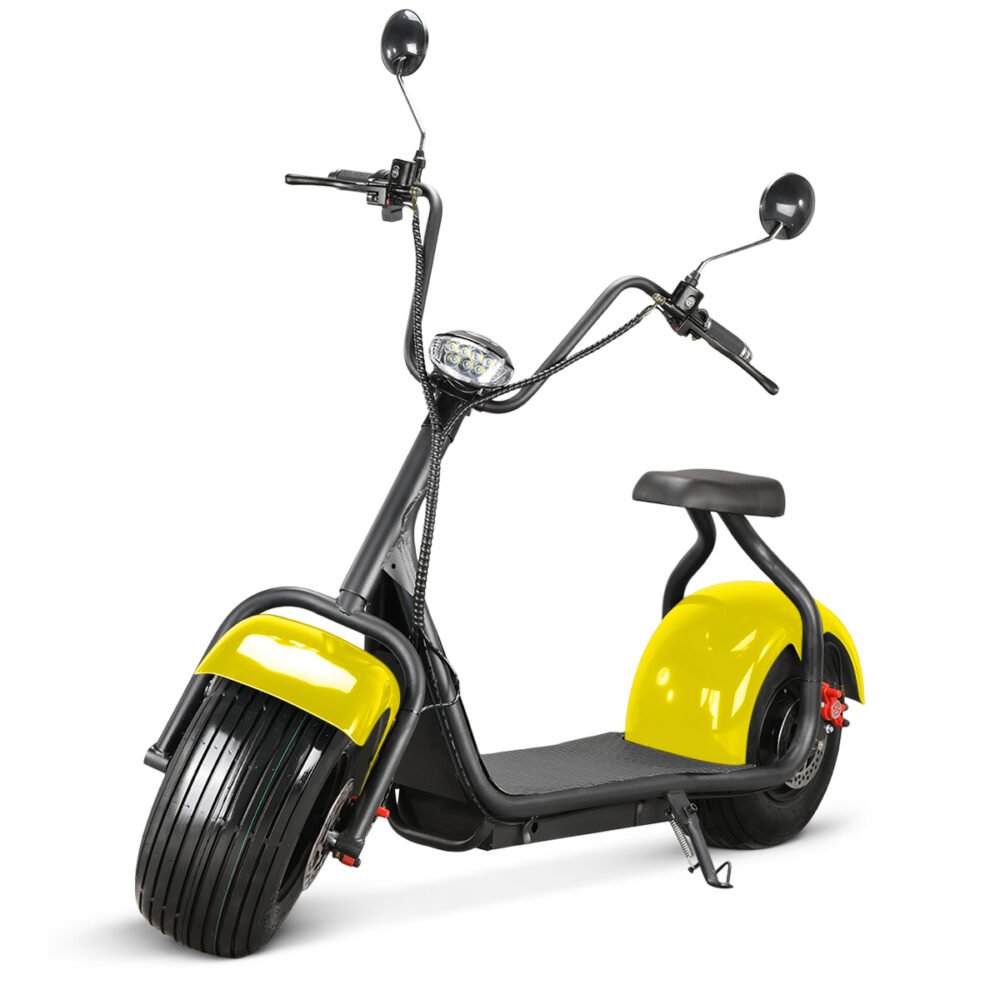
W5 | W5L | |
Main Material | Magnesium Alloy+Aluminum Alloy+ABS +Rubber | Magnesium Alloy+Aluminum Alloy+ABS +Rubber |
Max Speed | 20KM/H | 20KM/H |
Max Mileage | 35-40KM | 75-80KM |
Max Load | 150KG | 150KG |
Min Turning Radius | 0° | 0° |
Max Climbing | ≤35° | ≤35° |
Height of Pedal | 220mm | 220mm |
Max Height of Ground | 125mm | 125mm |
Tire Size | 20inch | 20inch |
Standard Pressure | 15 PSI or 1.0 bar or 105 kpa | 15 PSI or 1.0 bar or 105 kpa |
Long*Width*High | 488*836*1080-1480mm (Adustable) | 488*836*1080-1480mm (Adustable) |
Net Weight | 39.6KG | 41.2KG |
Gross Weight | 50.3KG | 52.3KG |
Packing Size | 91*52*63CM | 91*52*63CM |
Working Tamnosnt | -10-+40℃ | -10-+40℃ |
Storage | -20~+50℃ | -20~+50℃ |
Waterproof | IP56 | IP56 |
Begginner Mode | Yes,set via APP | Yes,set via APP |
Applicable Terrain | Cement Road/Asphalt road/Grass/Gravel Road/Beach | Cement Road/Asphalt road/Grass/Gravel Road/Beach |
Certifications | CE/FCC/RoHS/MSDS/UN38.3/Air transport report/Sea transport report | CE/FCC/RoHS/MSDS/UN38.3/Air transport report/Sea transport report |
Motherboard Parameters | Dual System | Dual System |
Battery | SAMSUNG 18650 Lithium Battery | SAMSUNG 18650 Lithium Battery |
Rated Voltage | 57.6V | 57.6V |
Max Charging Voltage | 67.2V | 67.2V |
Rated Capacity ( Ah) | 7.8Ah | 15.6Ah ( Dual Batteries ) |
Intelligent BMS: | Overvoltage Protection / Undervoltage Protection / Short circuit Protection/ Overheating protection,Automatic sleep / Wake | Overvoltage Protection / Undervoltage Protection / Short circuit Protection/ Overheating protection,Automatic sleep / Wake |
Motor | Brushless DC Motor | Brushless DC Motor |
Rated Power | 1500W*2=3000W | 1500W*2=3000W |
Charger Parameters | Input Voltage | 100~240V |
Output Voltage | 67.2V | 67.2V |
Output Current | 2A | 3A |
Rated Power | 120W | 120W |
Charging Time | 4-5Hour | 6-7 Hour |
Operating Mode | Standby mode/Pulling mode/Speed limit driving mode/Normal driving mode/Remote mode/Lock mode | Standby mode/Pulling mode/Speed limit driving mode/Normal driving mode/Remote mode/Lock mode |
Display Panel | 6.5inch OLED Display/Battery/Speed/Mileage/ Lamp/Lock/Bluetooth | 6.5inch OLED Display/Battery/Speed/Mileage/ Lamp/Lock/Bluetooth |
light | Front lamp/Ambient light/Left/Right turn light /Brake light/Backup Light | Front lamp/Ambient light/Left/Right turn light /Brake light/Backup Light |
Wireless Connections | Bluetooth | Bluetooth |
APP | Yes | Yes |
Voice | Yes | Yes |
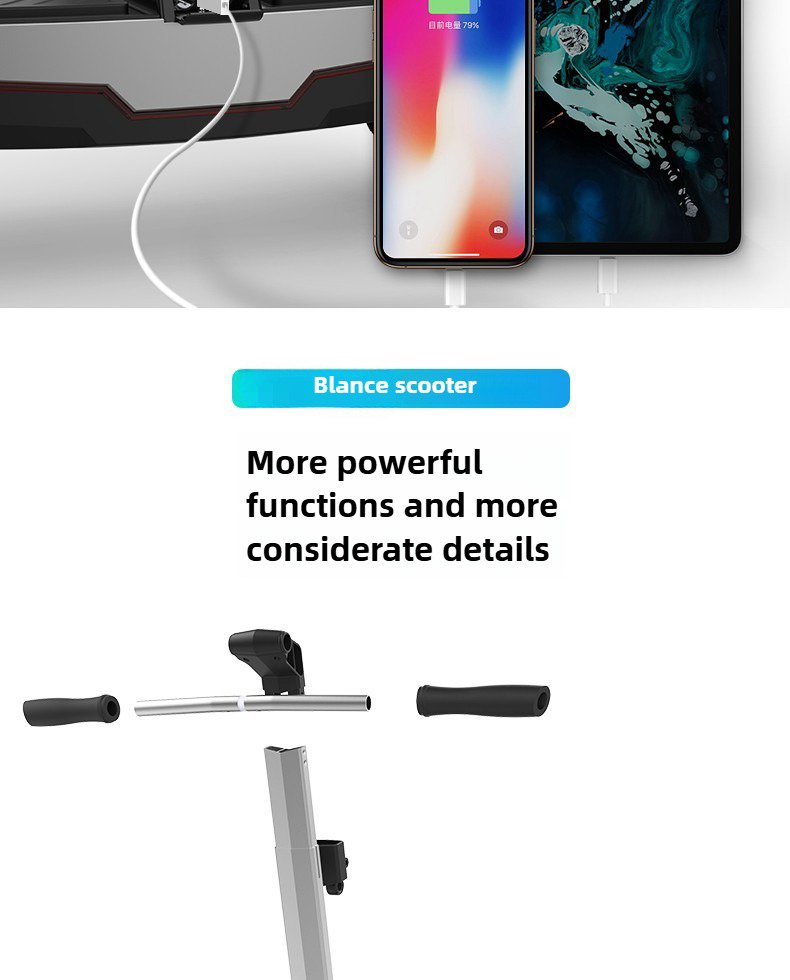
USB Charging | Yes (5V/1A) | |
Bluetooth Music | Yes | |
Colour | Black / White / Silver / Space gray | Black / White / Silver / Space gray |
Front Bag | Option | Option |
Knee Pad+Helmet | Option | Option |
Container Qty. | 20GP: 102pcs/40HQ:236pcs | 20GP: 102pcs/40HQ:236pcs |
Best Electric Motorcycles 3000W Motor 70km/h
Electric Bike liideway FT
Electric Commuter Bike liideway L1
Electric Motorbike liideway Q8
Electric scooter Harley liideway RS05
Electric Sportbike liideway X131
Electric vehicle (EV) scooter liideway XT1
Harley-Davidson eco-friendly scooter RS08 (MINI)
Harley-Davidson EV scooter RS07
Shop Self-Balancing Scooters
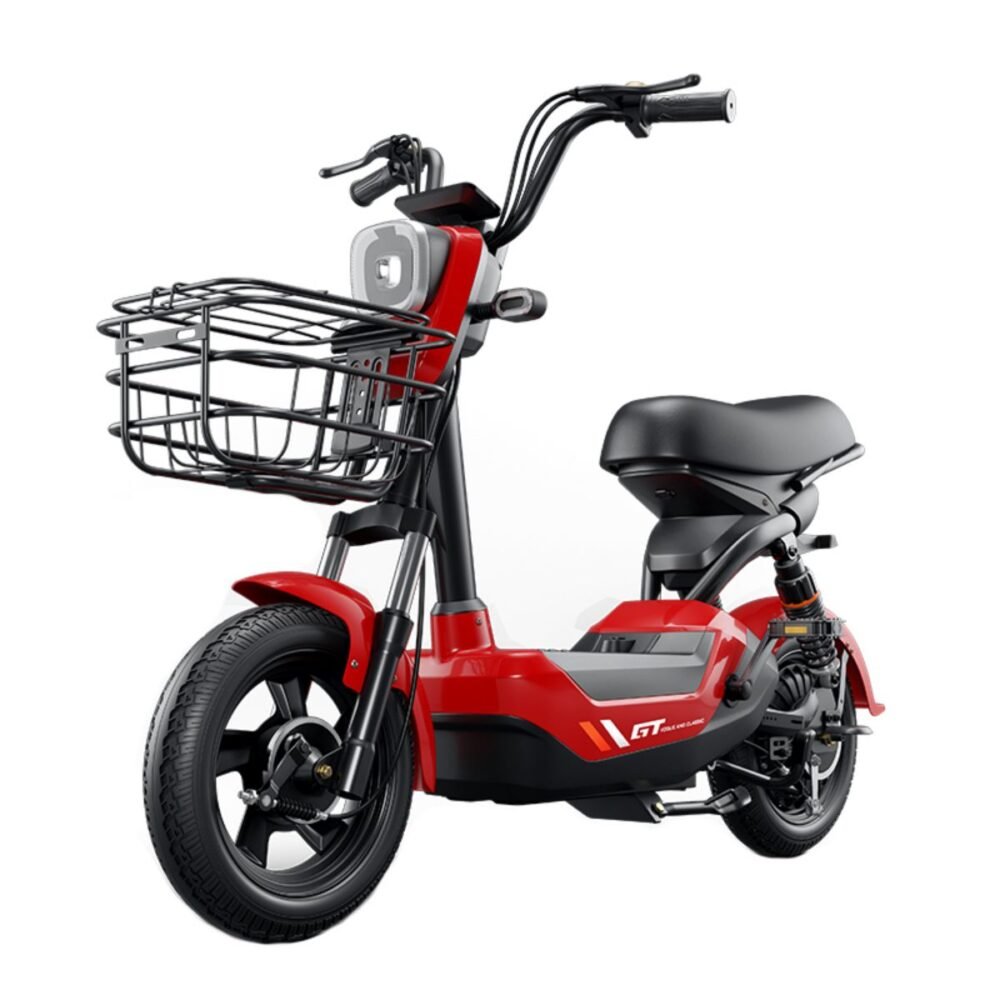
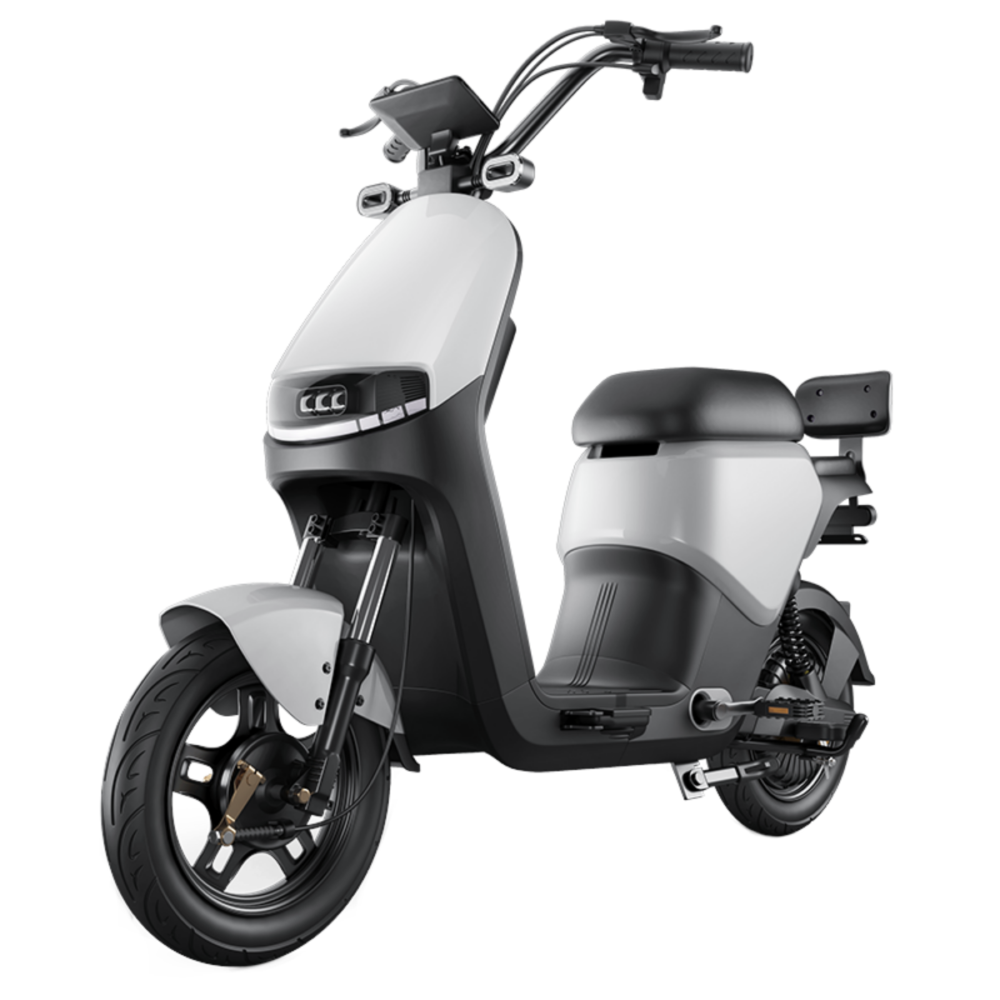
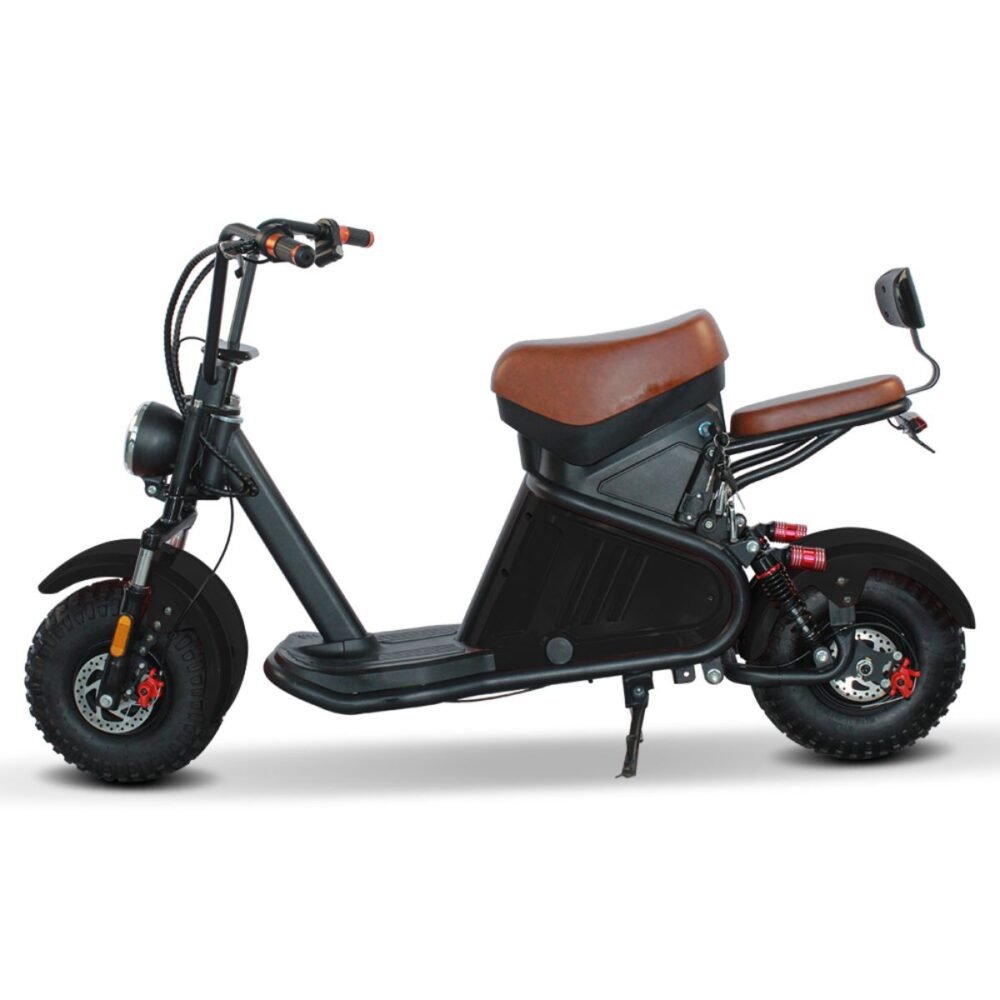

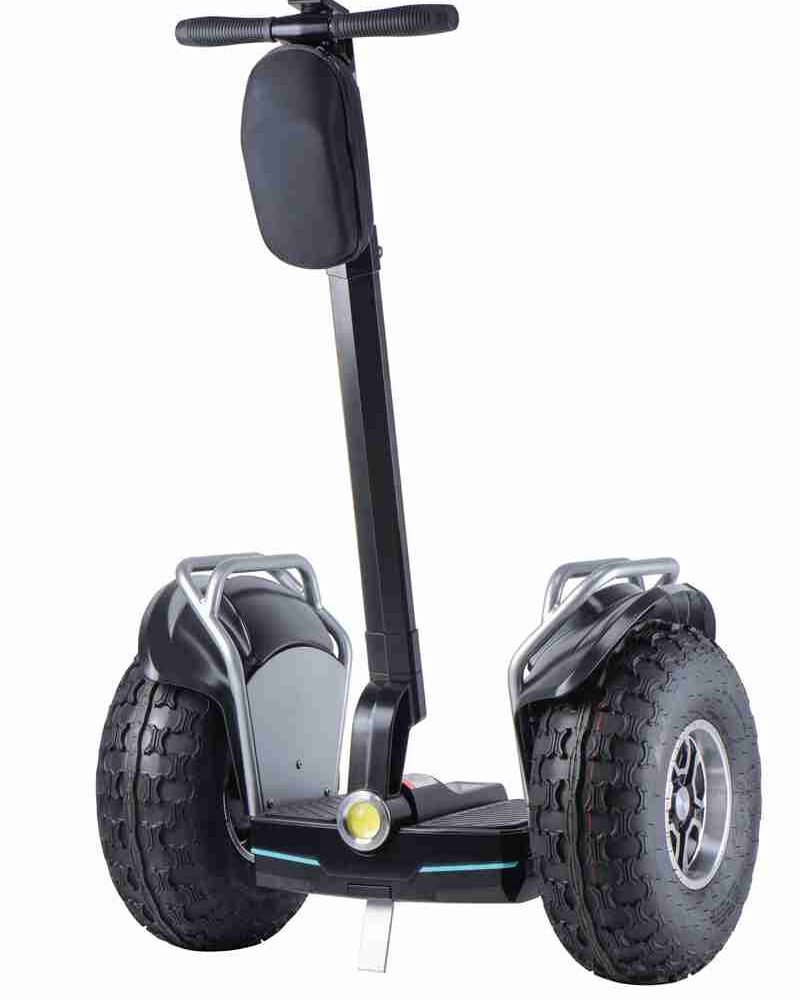

- motorcycle scooter
1500W 2000W 3000W 5000W Electric Motorcycles liideway manufacturer
- motorcycle scooter
2 wheel Electric Motorcycles liideway manufacturer
- motorcycle scooter
2 wheels self balancing scooter
- motorcycle scooter
2 wheels Self balancing Scooter for Adults
- motorcycle scooter
2-wheel scooter electric self balancing
- motorcycle scooter
2-wheel scooter self balancing
- motorcycle scooter
2000W Electric Motorcycles liideway manufacturer
- motorcycle scooter
2025 Electric Motorcycles 1500W 2000W 3000W 5000W liideway manufacturer
- motorcycle scooter
2025 Electric Motorcycles 2 wheel liideway manufacturer
- motorcycle scooter
2025 Electric Motorcycles 2025 liideway manufacturer
- motorcycle scooter
2025 Electric Motorcycles 2026 liideway manufacturer


- ATV scooter
250cc Electric ATV liideway250
- ATV scooter
ATV electric motorcycle liideway HM-1
- ATV scooter
Electric ATV Scooter liideway 260
- ATV scooter
High-Power Electric Scooter liideway270
- ATV scooter
Shop Self-Balancing Scooters
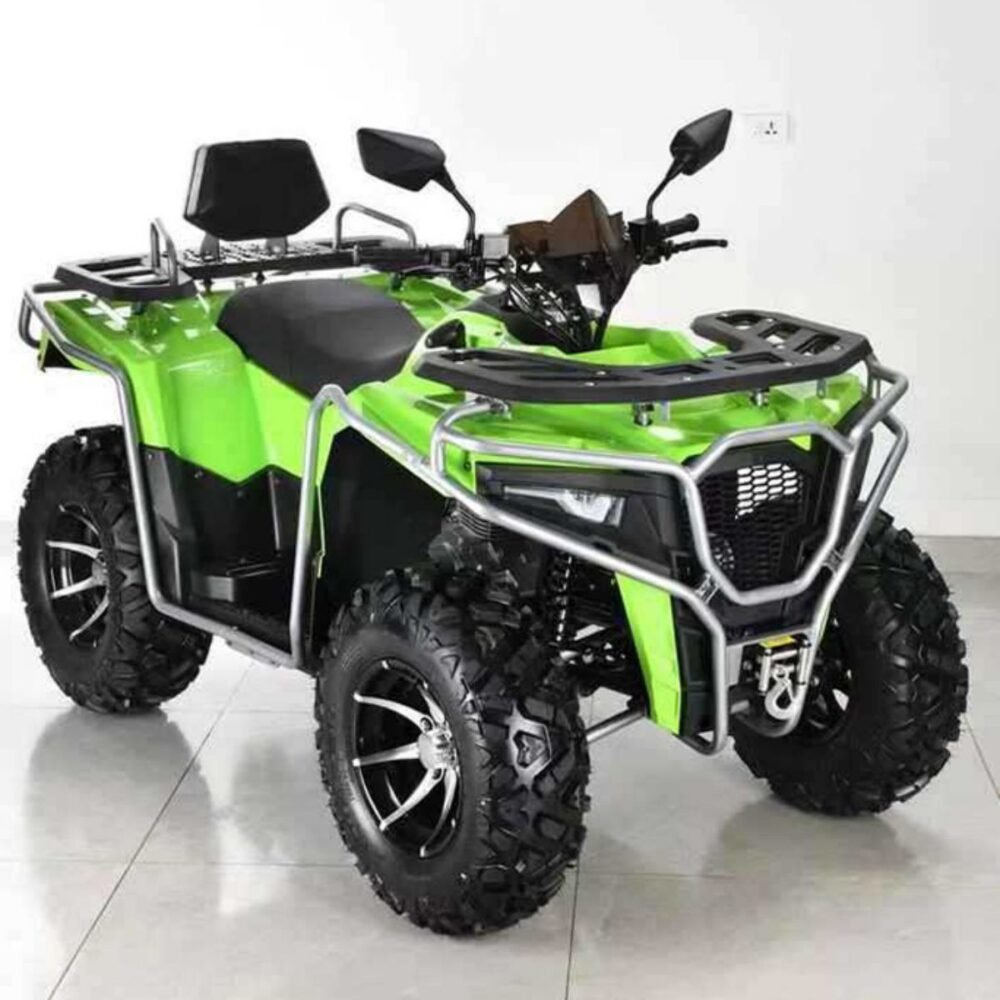
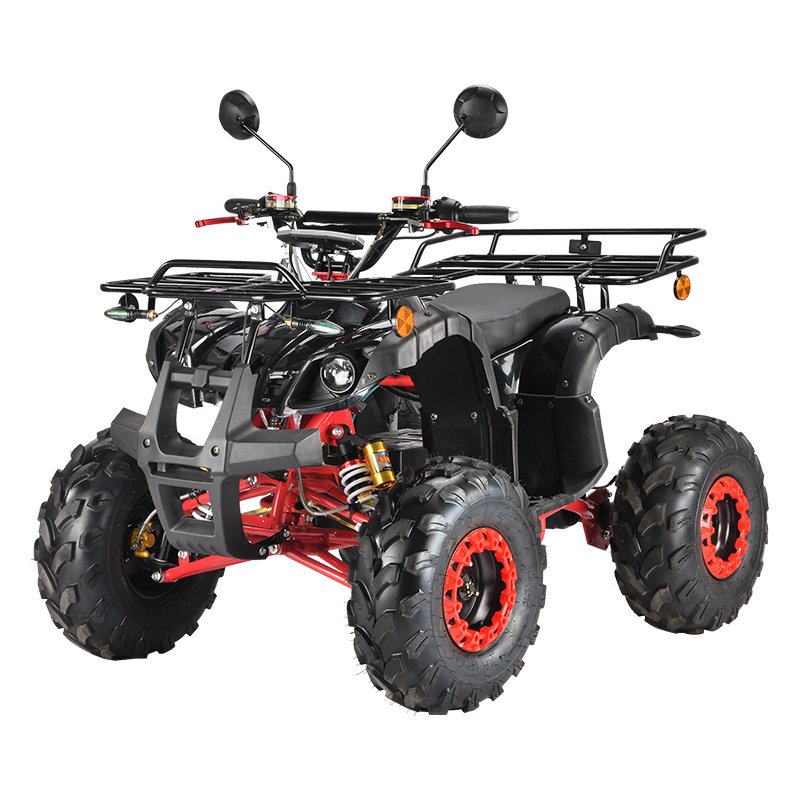

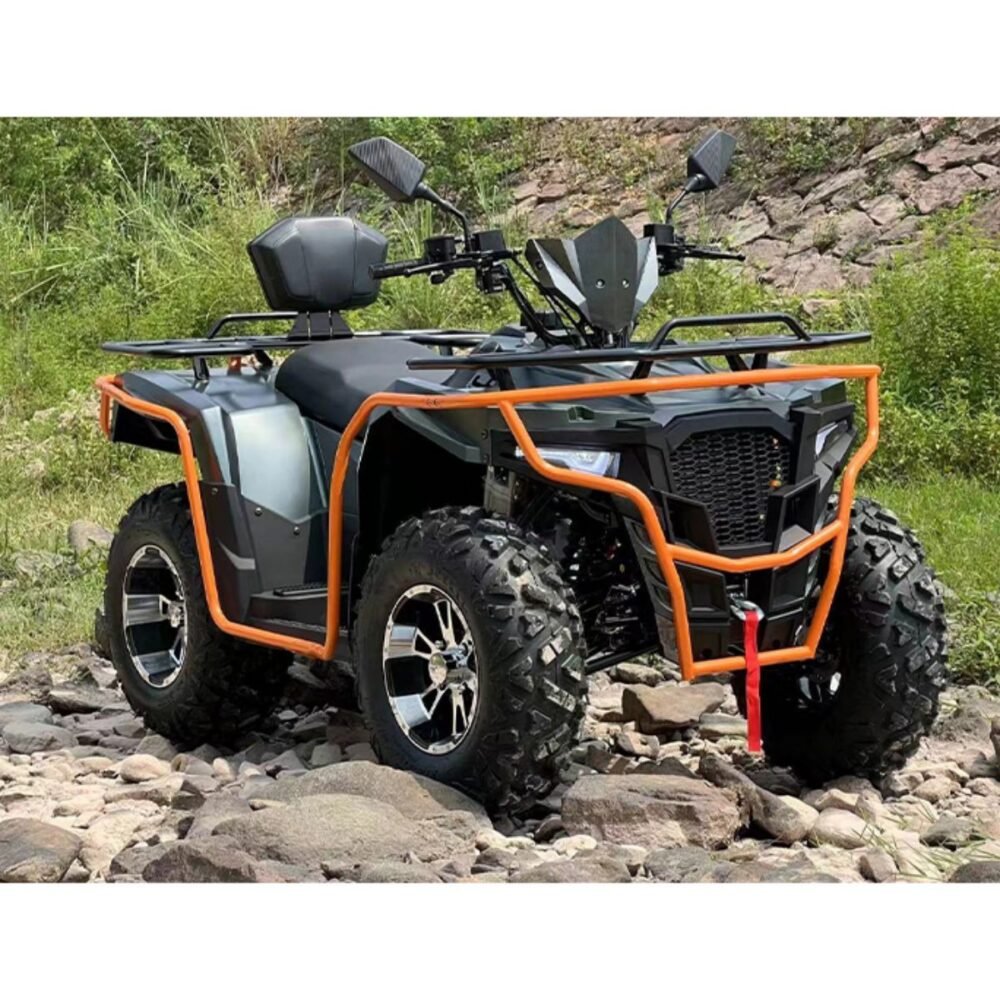
-
EEC scooter
Best Electric Motorcycles 3000W Motor 70km/h
-
EEC scooter
Chopper Scooter for Adults liideway S8
-
EEC scooter
CityCoco bike liidewayL9
-
EEC scooter
CityCoco double motor liideway HM-7
-
EEC scooter
CityCoco for sale liideway M3max
-
EEC scooter
citycoco scooter liideway C1
-
EEC scooter
CityCoco speed liideway HM3
-
EEC scooter
Electric chopper bike for adults liideway RS09
-
EEC scooter
Electric chopper liideway T8 (EEC)
-
EEC scooter
Electric two-wheeler Harley RS06
-
EEC scooter
Electric Vehicle liideway L16
-
EEC scooter
Harley e-scooter liideway M3EEC
- EEC scooter
Best Electric Motorcycles 3000W Motor 70km/h
- EEC scooter
Chopper Scooter for Adults liideway S8
- EEC scooter
CityCoco bike liidewayL9
- EEC scooter
CityCoco double motor liideway HM-7
- EEC scooter
CityCoco for sale liideway M3max
- EEC scooter
citycoco scooter liideway C1
- EEC scooter
CityCoco speed liideway HM3
- EEC scooter
Electric chopper bike for adults liideway RS09
- EEC scooter
Electric chopper liideway T8 (EEC)
- EEC scooter
Electric two-wheeler Harley RS06
- EEC scooter
Electric Vehicle liideway L16
- EEC scooter
Harley e-scooter liideway M3EEC
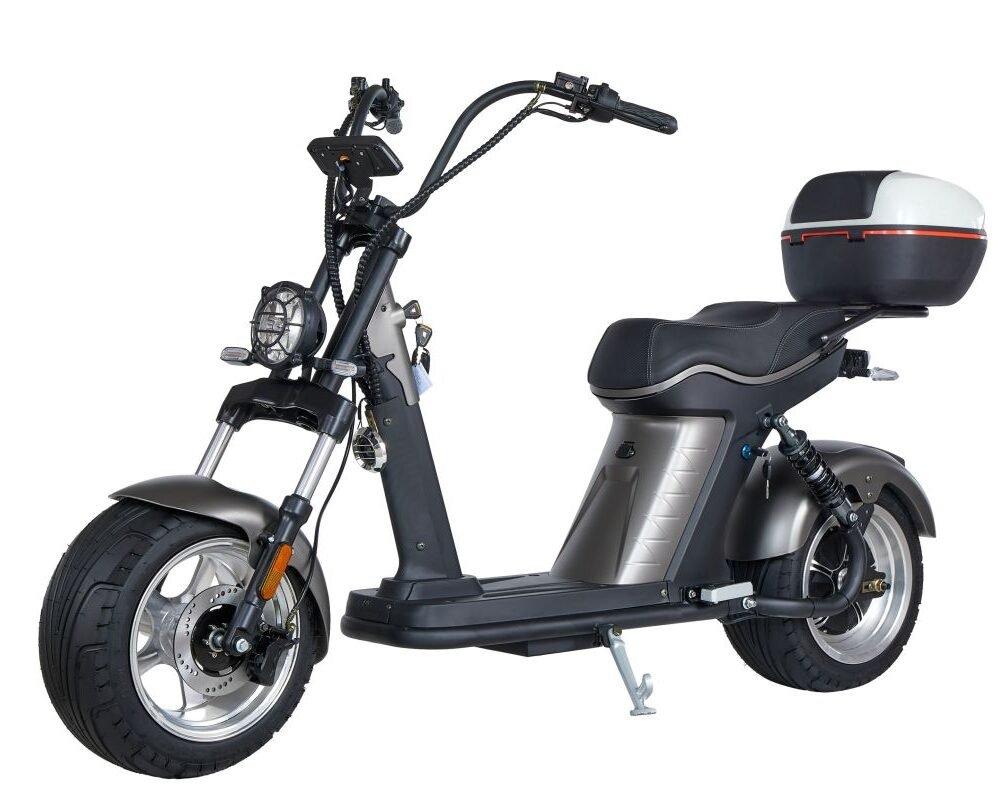

www.liideway.com
www.leadwaycn.com
www.liideway.com
www.leadwaycn.com
https://www.liideway.com/products/electric-bike-bicycle-e-bike-fat-tire-adult-20-inch-e20
https://www.liideway.com/products/electric-bike-for-adults-750w-motor-foldable-bikes-liideway-zl2006
https://www.liideway.com/products/electric-scooter-review-with-seat-adults-lights-liideway-g1
https://www.liideway.com/products/top-self-balancing-electric-scooter-segway-hoverboard-liideway-w5
https://www.liideway.com/products/electric-bike-for-adults-750w-motor-foldable-bikes-liideway-2006-a
https://www.liideway.com/products/electric-ebike-for-adult-750w-motor-e-bike-bike-usa-stock-free-shipping
https://www.liideway.com/products/adults-electric-bike-20x-4-fat-tires-1000w-powerful-motor
11inch electric scooter liideway T9:
https://leadwaycn.com/product/11inch-electric-scooter-liideway-t9/
12inch electric scooter liideway T14:
https://leadwaycn.com/product/12inch-electric-scooter-liideway-t14/
14-Inch Electric Scooters liideway T6:
https://leadwaycn.com/product/14-inch-electric-scooters-liideway-t6/
3 wheel scooter electric adult liideway LW3wheel:
https://leadwaycn.com/product/3-wheel-scooter-electric-adult-liideway-lw3wheel/
Adult Electric Scooters liideway T7:
https://leadwaycn.com/product/adult-electric-scooters-liideway-t7/
electric motor scooter liideway T12:
https://leadwaycn.com/product/electric-motor-scooter-liideway-t12/
electric scooter 200 km liideway T1pro:
https://leadwaycn.com/product/electric-scooter-200-km-liideway-t1pro/
Electric Scooter Bikes liideway T11:
https://leadwaycn.com/product/electric-scooter-bikes-liideway-t11/
electric scooter distributor liideway T4:
https://leadwaycn.com/product/electric-scooter-distributor-liideway-t4/
electric scooter lithium battery liideway T2Plus:
https://leadwaycn.com/product/electric-scooter-lithium-battery-liideway-t2plus/
electric scooter sales liideway T2:
https://leadwaycn.com/product/electric-scooter-sales-liideway-t2/
electric scooters 48v liideway T2pro:
https://leadwaycn.com/product/electric-scooters-48v-liideway-t2pro/
Electric Snow Scooter liideway T13 :
https://leadwaycn.com/product/electric-snow-scooter-liideway-t13/
Europe Electric Scooters Market liideway T10:
https://leadwaycn.com/product/europe-electric-scooters-market-liideway-t10/
Liideway Electric Scooters T8:
https://leadwaycn.com/product/liideway-electric-scooters-t8/
new 2026 electric scooters liideway T1:
https://leadwaycn.com/product/new-2024-electric-scooters-liideway-t1/
Powerful Electric Scooters liideway T15:
https://leadwaycn.com/product/powerful-electric-scooters-liideway-t15/
Discover the world of self-balancing scooters, also known as Segways, and their impact on urban mobility. Learn how these innovative vehicles use advanced technology to provide an eco-friendly, convenient, and exhilarating alternative to traditional transportation. Explore the benefits and drawbacks, the mechanics behind their operation, and future trends in self-balancing technology that promise to enhance daily commutes and promote sustainable travel solutions. Whether for tourism, urban commuting, or as a delivery aid, self-balancing scooters are redefining personal transport in modern cities.
The Rise of Self-Balancing Scooters: Exploring the Segway Revolution
Introduction to Self-Balancing Scooters
Self-balancing scooters, popularly known as Segways, represent a significant technological advancement in personal transportation. These innovative vehicles employ gyroscopic sensors and advanced control algorithms to ensure stability, allowing users to navigate seamlessly without the need for traditional handlebars. The fundamental principle behind self-balancing scooters relies on the user’s natural inclination to lean forward or backward, controlling acceleration and deceleration through body movements.
The inception of the Segway dates back to early 2000, when inventor Dean Kamen introduced it as a revolutionary form of mobility. Initially marketed as a tool for urban commuting and tourism, Segways provided an alternative to conventional vehicles, promoting environmentally friendly transportation solutions. Over the years, the technology has evolved, resulting in various iterations of self-balancing scooters that cater to different user preferences and requirements.
Segways are characterized by their unique features, which include intuitive operational mechanisms and enhanced battery life, making them suitable for extended usage. Their compact design allows for easy maneuverability in crowded urban environments, thereby enhancing personal transport efficiency. Additionally, self-balancing scooters have found applications across various industries, including tourism, where they offer guided tours and ease of mobility for visitors, and security, where they allow personnel to cover large areas swiftly.
Moreover, their growing popularity can be attributed to ease of use and the exhilaration of riding. Users, regardless of age or skill level, can quickly learn to operate these devices with minimal instruction. As society continues to focus on sustainable transportation options, the self-balancing scooter’s adaptability aligns well with modern urban mobility needs, cementing its place within the evolving landscape of personal transport solutions.
How Self-Balancing Technology Works
Self-balancing scooters, often synonymous with the Segway, are propelled by technology that enables them to maintain equilibrium through advanced mechanics. The core components include gyroscopes, inertial measurement units (IMUs), and motors. Gyroscopes detect the orientation of the scooter by measuring rotational motion, while IMUs provide critical data about both the angular and linear acceleration of the device. Together, these apparatuses relay information to the onboard computer that interprets the rider’s movements.
When users wish to accelerate or steer, they simply shift their weight. The center of mass of the rider determines the direction and speed, allowing intuitive control. For instance, leaning slightly forward prompts the scooter to move ahead, while leaning back results in deceleration or reversal. This fluid interaction between the rider and the machine creates a seamless experience that differentiates self-balancing scooters from traditional scooters.
Safety features play a pivotal role in enhancing the riding experience. Most self-balancing scooters come equipped with speed controls that limit maximum velocity, ensuring that novice users have a safe introduction. Automatic braking systems are also prevalent; should a rider lose balance or exceed designated speed thresholds, the scooter can intuitively decelerate and come to a halt. These mechanisms are critical in preventing accidents, especially in urban environments where traffic can be unpredictable.
The development of self-balancing technology has undoubtedly revolutionized personal transport. By combining cutting-edge components and intuitive design, self-balancing scooters not only provide an exciting ride but also a safer and more accessible alternative to traditional modes of transport. This evolution in transport technology indicates a shift towards more modern and versatile personal mobility solutions.
Benefits and Drawbacks of Using Segways
Self-balancing scooters, commonly known as Segways, have recently gained popularity for their unique design and functionality. One of the primary benefits of using a Segway is convenience. These scooters provide an efficient mode of transportation, allowing users to cover short to medium distances quickly without the effort associated with walking or cycling. Furthermore, they are particularly advantageous in urban environments where traffic congestion is prevalent, enabling riders to bypass gridlock and easily navigate through crowded spaces.
Another significant advantage of Segways is their eco-friendliness. Since these self-balancing vehicles are electrically powered, they do not emit harmful pollutants like traditional gasoline-powered vehicles. This characteristic makes them an attractive alternative for environmentally conscious individuals seeking to reduce their carbon footprint. Additionally, their compact size means they require less space for storage and parking, further contributing to ease of use in urban settings.
However, there are drawbacks to consider when evaluating the practicality of Segways. One significant concern is their cost; the initial investment can be relatively high compared to other modes of personal transportation. This financial barrier may deter potential users who are looking for more budget-friendly options. Battery life is another challenge associated with self-balancing scooters. Users may find themselves limited by the range of the battery, which can vary significantly between models, necessitating periodic recharging that may not always be convenient.segway f25
Moreover, the variety among models can present limitations for users seeking specific features or performance capabilities. While many brands offer different configurations, they may not adequately meet the diverse needs of all potential riders. As such, it is essential for prospective buyers to weigh these advantages and disadvantages against their specific circumstances and requirements before deciding to invest in a Segway.
The Future of Self-Balancing Scooters
The future of self-balancing scooters, particularly models like Segways, appears to be bright, driven by various technological advancements and shifting societal norms. One of the most exciting developments lies in battery technology. As energy density improves and charging times decrease, the range and reliability of self-balancing scooters will significantly enhance, making them a more appealing option for daily commutes. Lithium-ion and next-generation solid-state batteries promise to reduce the frequency of recharging and extend the lifespan of vehicles, providing users with greater mobility and convenience.
The integration of self-balancing scooters with smart city systems is another trend that could redefine urban mobility. Cities around the globe are adopting smart infrastructure aimed at reducing congestion and optimizing traffic flow. Self-balancing scooters can play a vital role in these systems, offering an efficient solution for short-distance travel. With the implementation of dedicated lanes, real-time data sharing, and connectivity to public transport networks, these scooters may ease the transition from one mode of transport to another, facilitating smoother commutes.
The emergence of micro-mobility solutions has also fueled the growth of self-balancing scooters. Urban environments increasingly prioritize convenience and sustainability, making scooters an attractive option for individuals seeking alternatives to cars. The evolving market landscape indicates a diversification of user demographics, with potential adopters ranging from commuters to tourists. Furthermore, new use cases may arise, such as applications in delivery services and as accessibility aids for individuals with disabilities.
However, the future will likely be influenced by regulatory developments. As governments recognize the benefits of self-balancing scooters, they will also need to address safety concerns and establish guidelines for their use. Increased regulation can lead to more structured environments for riders, enhancing safety and adoption rates. In conclusion, the continued evolution of self-balancing scooters will significantly impact urban mobility, facilitating a transition towards greener transportation options while addressing the needs of diverse user groups.
What is a self-balancing scooter called?
Explore the innovative world of self-balancing scooters, commonly known as hoverboards. Discover their technology, evolution, various types, and their promising future as a sustainable urban transport option. Learn about the essential components that ensure safety and stability while riding, as well as the diverse terminology used to describe these devices. Whether you’re a beginner or an enthusiast, understanding the mechanics and the growing popularity of self-balancing scooters is crucial for navigating your personal mobility choices.
Discovering the World of Self-Balancing Scooters: What Are They Called?
Introduction to Self-Balancing Scooters
Self-balancing scooters, also known as hoverboards, are innovative personal transportation devices that have garnered significant interest in recent years. These electric scooters are designed to provide a user-friendly and enjoyable riding experience while ensuring safety and stability during operation. Operating on the principle of balance, these scooters utilize advanced technologies, including gyroscopes and sensors, to achieve seamless movement.
The core components of a self-balancing scooter include the main body, wheels, and the internal electronics that work in tandem to maintain equilibrium. The gyroscopes play a crucial role by detecting the rider’s movements and adjusting the position of the scooter accordingly. When a rider shifts their weight forward, the sensors recognize this motion and propel the scooter forward. Conversely, leaning back causes the device to slow down or reverse. This responsive functionality allows riders to navigate their environment with minimal effort.
The evolution of self-balancing scooters can be traced back to their introduction in the early 2010s, which marked the beginning of their rise in popularity. Initially regarded as a novelty item, they quickly transformed into a mainstream mode of urban transport. As various models were developed, enhancements in battery life, weight capacity, and safety features contributed to their appeal among consumers of all ages. Additionally, the emergence of various brands and designs has diversified the market, allowing users to select a model that best fits their preferences.
This section sets the foundation for an in-depth understanding of self-balancing scooters and their naming conventions. By exploring the mechanics and widespread adoption of these vehicles, we can better appreciate their impact on contemporary transportation. Further discussions will delve into the specific terminology that has emerged in relation to these devices, shaping the landscape of personal mobility.
Common Names and Terminology
Self-balancing scooters have garnered various names over time, often used interchangeably among consumers and manufacturers. The term “hoverboard” is perhaps the most popular name associated with these innovative devices. Despite its misleading connotation—implying the ability to hover—this terminology has become prevalent in marketing and among casual users. The use of “hoverboard” likely contributes to the intrigue surrounding these personal transporters, appealing to a younger audience captivated by futuristic concepts.
Another widely accepted term is “self-balancing board.” This name accurately reflects the underlying technology that enables riders to maintain balance while moving. The phrase emphasizes the mechanics behind the device, highlighting its appeal as a practical mode of transportation and recreational tool. “Personal transporters” is another alternative that encompasses a broader range of similar mobility devices, including electric scooters and skateboards. This umbrella term helps categorize various forms of personal mobility devices, making it easier for potential buyers to understand their options.
Differences in terminology are often influenced by regional preferences and marketing strategies. For instance, in some countries, “hoverboard” is predominantly used, while in others, terms like “self-balancing scooter” may be more common. Such variations not only reflect linguistic differences but also indicate diverse consumer perceptions. Retailers often strategically choose names that resonate with specific demographics, seeking to evoke certain feelings or associations. Thus, while the terms may appear similar, understanding their varied usage can provide insightful perspectives on consumer behavior and preferences in the market.
Types of Self-Balancing Scooters
The market offers a diverse range of self-balancing scooters, each categorized based on design, functionality, and user preference. These scooters can broadly be divided into three main types: two-wheeled hoverboards, one-wheeled scooters, and multi-wheeled versions.
Two-wheeled hoverboards are perhaps the most recognized type of self-balancing scooter. They are designed with two parallel wheels that operate independently, providing a stable riding experience. Users control the movement by shifting their weight forward or backward, which makes them suitable for both beginners and experienced riders. These devices are primarily used for short-distance travel and recreational purposes, appealing to a wide range of age groups. Their ease of use and accessibility make them a popular choice among urban commuters.
In contrast, one-wheeled scooters provide a distinct riding experience that requires greater balance and skill. Equipped with a single wheel, these scooters allow for a more dynamic maneuvering style, making them suitable for adventurous riders. The design usually features a narrow, elongated platform that encourages riders to adjust their posture to maintain balance. Due to their advanced nature, one-wheeled scooters are often favored by enthusiasts who enjoy tricks and off-road adventures.
Multi-wheeled versions, such as three-wheeled or four-wheeled scooters, cater to specific user needs, often focusing on enhanced stability and comfort. These scooters are particularly beneficial for individuals with mobility challenges or those seeking a more stable riding option. They tend to come with additional features, such as built-in seats and storage, which enhance usability for varied demographics, including families and older adults.
Each type of self-balancing scooter offers unique features that cater to different user scenarios and preferences. Understanding these distinctions can help individuals select the right model suited to their riding style and requirements.
The Future of Self-Balancing Scooters
As self-balancing scooters continue to gain traction in urban environments, the future of this innovative mode of transportation looks promising. The advancements in technology, particularly in battery efficiency and materials, are expected to significantly enhance the performance and longevity of these scooters. Manufacturers are increasingly investing in research and development to create lighter, more durable models that can withstand various weather conditions while ensuring user safety.
Future designs are also likely to focus on user experience, incorporating smart features such as integrated navigation systems, app connectivity, and real-time performance monitoring. This integration will not only simplify the ride but also provide users with valuable information about battery life, speed, and maintenance needs. As self-balancing scooters become more intuitive, they will likely attract a broader audience, accommodating both seasoned riders and newcomers.
Trends in urban transportation play a crucial role in shaping the future of self-balancing scooters. With growing concerns about traffic congestion, air pollution, and the need for sustainable travel options, many cities are re-evaluating their transportation policies. The promotion of micro-mobility solutions, inclusive of self-balancing scooters, is increasingly popular among urban planners. This trend may lead to dedicated lanes and parking spaces for scooters, making them more accessible and safe for users in busy metropolitan areas.
Another key factor that could influence the future of self-balancing scooters is eco-friendliness. As environmental awareness rises, the demand for energy-efficient and low-carbon transport options is expected to swell. Self-balancing scooters, often powered by electric batteries, present a greener alternative to traditional gas-powered vehicles. However, manufacturers must navigate regulatory challenges, including safety standards and usage regulations, to ensure widespread adoption. Addressing these challenges will be crucial in establishing self-balancing scooters as a vital component of the future urban transportation landscape.


Reviews
There are no reviews yet.