
📧 Email: scooter1@leadwaycn.com 📞 Whatsapp/Tel: +8613480102329
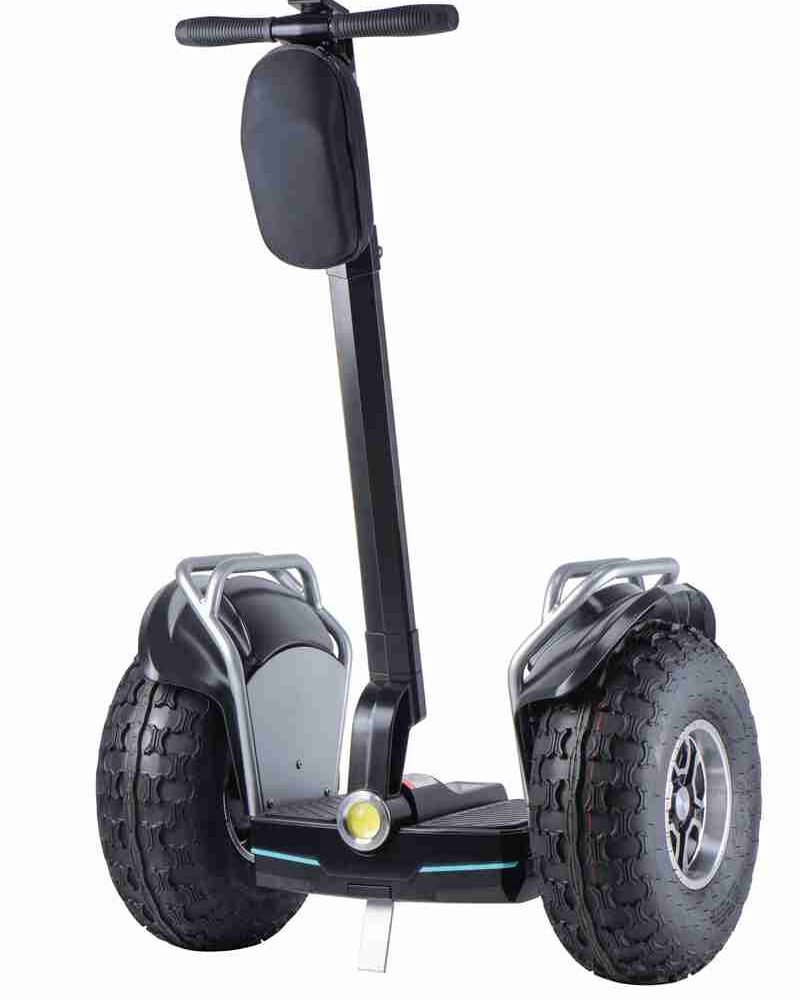
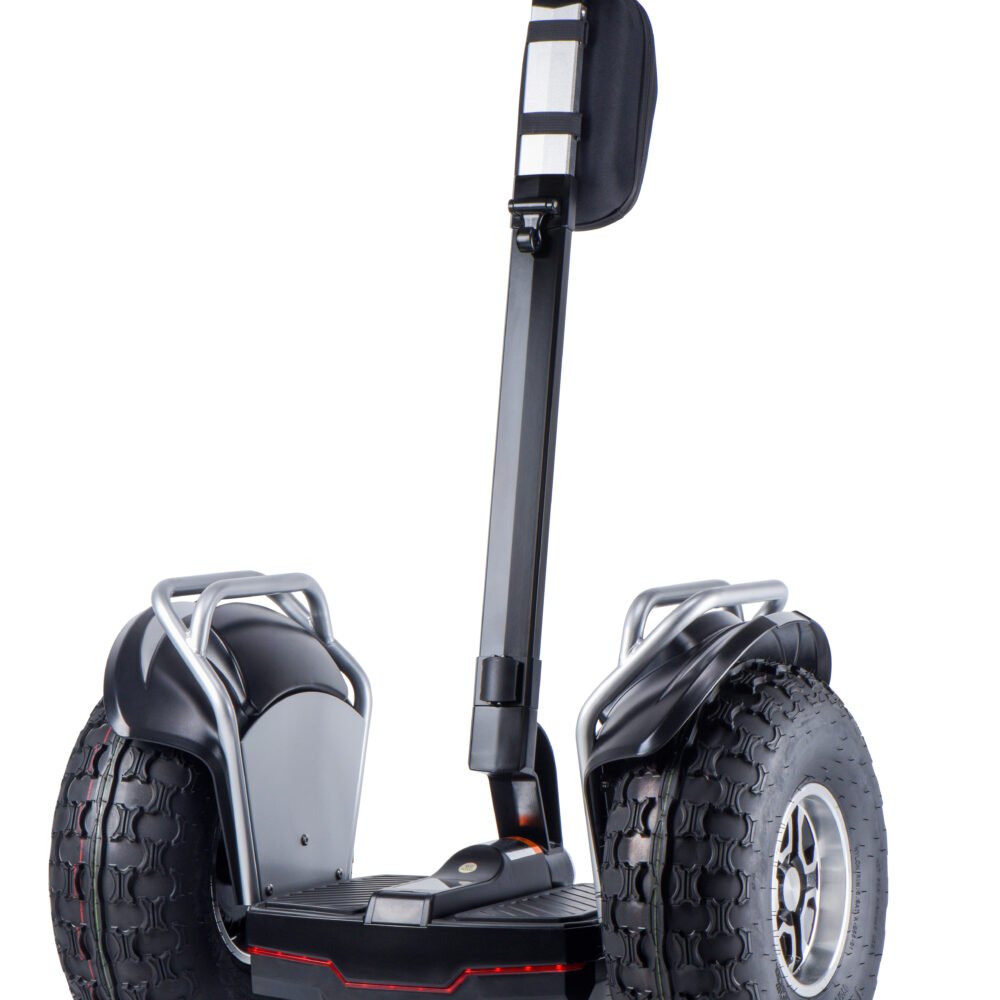
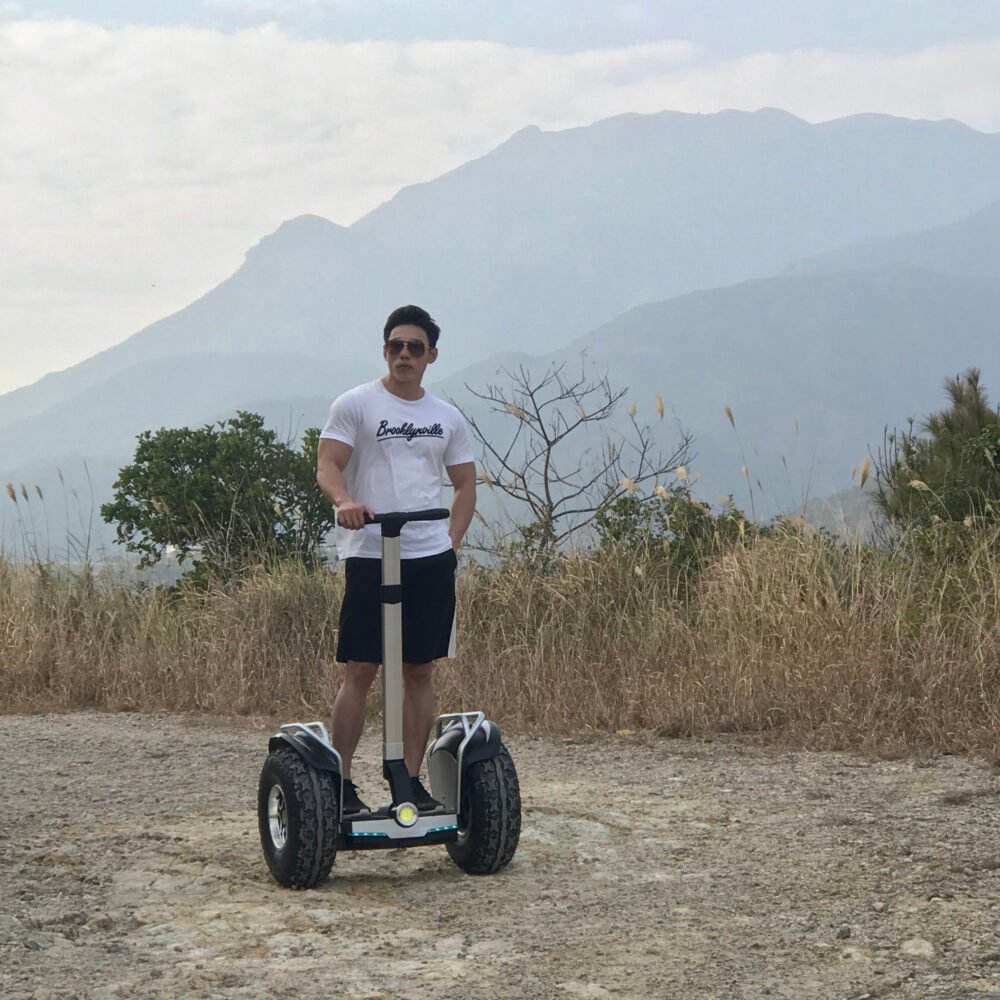
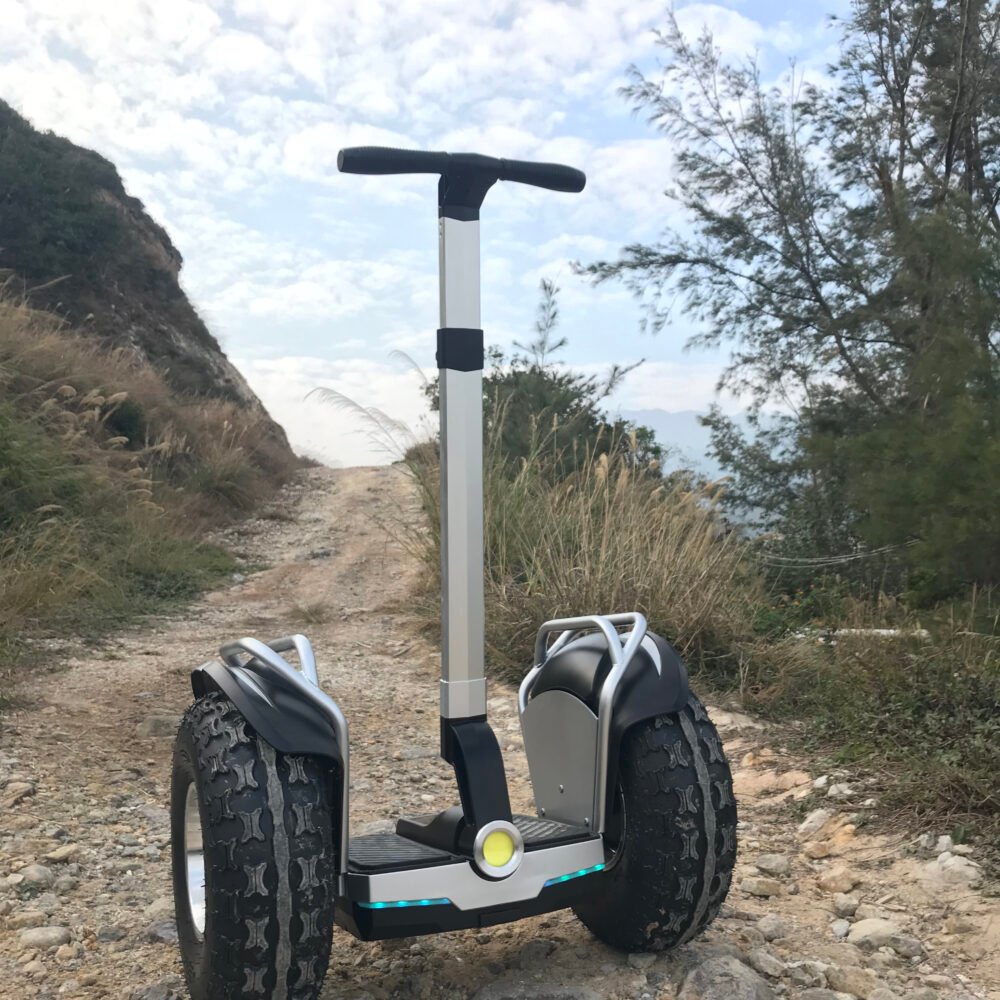
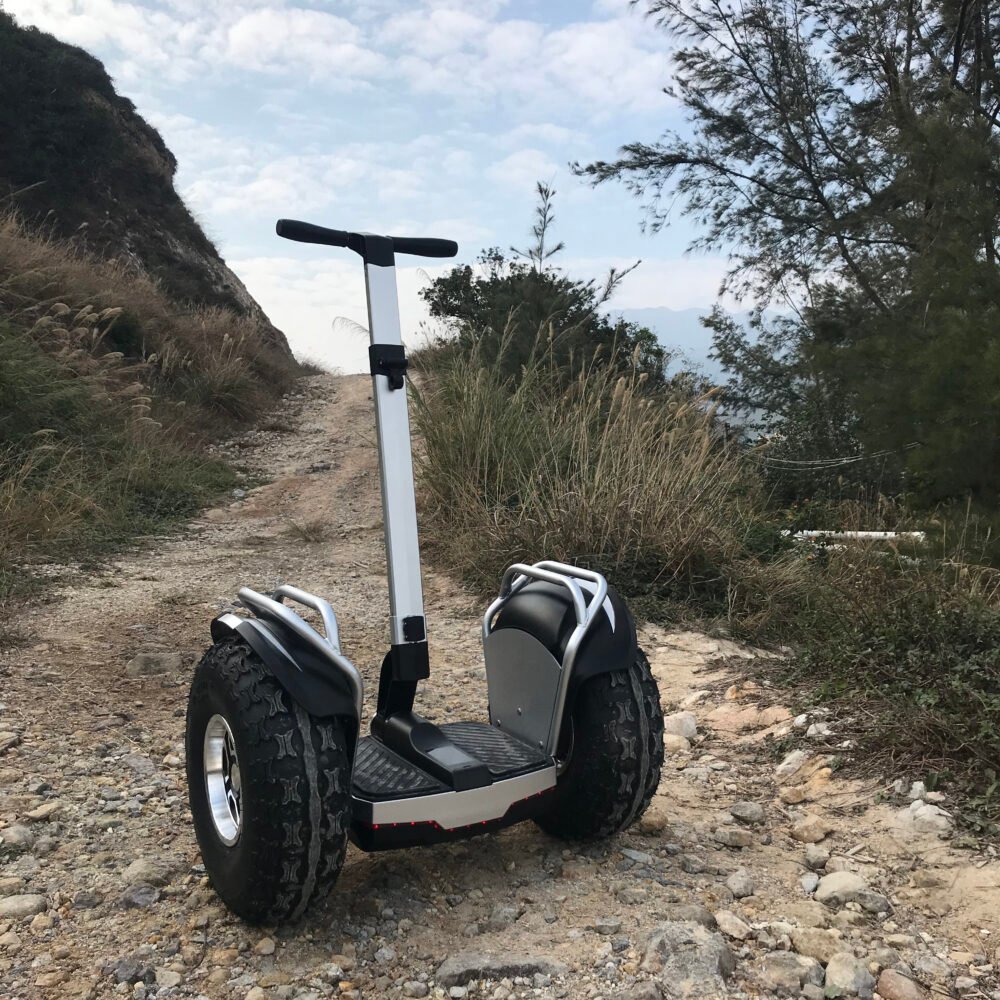
W5 | W5L | |
Main Material | Magnesium Alloy+Aluminum Alloy+ABS +Rubber | Magnesium Alloy+Aluminum Alloy+ABS +Rubber |
Max Speed | 20KM/H | 20KM/H |
Max Mileage | 35-40KM | 75-80KM |
Max Load | 150KG | 150KG |
Min Turning Radius | 0° | 0° |
Max Climbing | ≤35° | ≤35° |
Height of Pedal | 220mm | 220mm |
Max Height of Ground | 125mm | 125mm |
Tire Size | 20inch | 20inch |
Standard Pressure | 15 PSI or 1.0 bar or 105 kpa | 15 PSI or 1.0 bar or 105 kpa |
Long*Width*High | 488*836*1080-1480mm (Adustable) | 488*836*1080-1480mm (Adustable) |
Net Weight | 39.6KG | 41.2KG |
Gross Weight | 50.3KG | 52.3KG |
Packing Size | 91*52*63CM | 91*52*63CM |
Working Tamnosnt | -10-+40℃ | -10-+40℃ |
Storage | -20~+50℃ | -20~+50℃ |
Waterproof | IP56 | IP56 |
Begginner Mode | Yes,set via APP | Yes,set via APP |
Applicable Terrain | Cement Road/Asphalt road/Grass/Gravel Road/Beach | Cement Road/Asphalt road/Grass/Gravel Road/Beach |
Certifications | CE/FCC/RoHS/MSDS/UN38.3/Air transport report/Sea transport report | CE/FCC/RoHS/MSDS/UN38.3/Air transport report/Sea transport report |
Motherboard Parameters | Dual System | Dual System |
Battery | SAMSUNG 18650 Lithium Battery | SAMSUNG 18650 Lithium Battery |
Rated Voltage | 57.6V | 57.6V |
Max Charging Voltage | 67.2V | 67.2V |
Rated Capacity ( Ah) | 7.8Ah | 15.6Ah ( Dual Batteries ) |
Intelligent BMS: | Overvoltage Protection / Undervoltage Protection / Short circuit Protection/ Overheating protection,Automatic sleep / Wake | Overvoltage Protection / Undervoltage Protection / Short circuit Protection/ Overheating protection,Automatic sleep / Wake |
Motor | Brushless DC Motor | Brushless DC Motor |
Rated Power | 1500W*2=3000W | 1500W*2=3000W |
Charger Parameters | Input Voltage | 100~240V |
Output Voltage | 67.2V | 67.2V |
Output Current | 2A | 3A |
Rated Power | 120W | 120W |
Charging Time | 4-5Hour | 6-7 Hour |
Operating Mode | Standby mode/Pulling mode/Speed limit driving mode/Normal driving mode/Remote mode/Lock mode | Standby mode/Pulling mode/Speed limit driving mode/Normal driving mode/Remote mode/Lock mode |
Display Panel | 6.5inch OLED Display/Battery/Speed/Mileage/ Lamp/Lock/Bluetooth | 6.5inch OLED Display/Battery/Speed/Mileage/ Lamp/Lock/Bluetooth |
light | Front lamp/Ambient light/Left/Right turn light /Brake light/Backup Light | Front lamp/Ambient light/Left/Right turn light /Brake light/Backup Light |
Wireless Connections | Bluetooth | Bluetooth |
APP | Yes | Yes |
Voice | Yes | Yes |
USB Charging | Yes (5V/1A) | |
Bluetooth Music | Yes | |
Colour | Black / White / Silver / Space gray | Black / White / Silver / Space gray |
Front Bag | Option | Option |
Knee Pad+Helmet | Option | Option |
Container Qty. | 20GP: 102pcs/40HQ:236pcs | 20GP: 102pcs/40HQ:236pcs |
-
mini motorcycle
Electric Bike liideway FT
-
mini motorcycle
Electric Commuter Bike liideway L1
-
mini motorcycle
Electric Motorbike liideway Q8
-
mini motorcycle
Electric scooter Harley liideway RS05
-
mini motorcycle
Electric Sportbike liideway X131
-
mini motorcycle
Electric vehicle (EV) scooter liideway XT1
-
mini motorcycle
Harley-Davidson eco-friendly scooter RS08 (MINI)
-
mini motorcycle
Harley-Davidson EV scooter RS07
-
ATV scooter
Shop Self-Balancing Scooters
- mini motorcycle
Electric Bike liideway FT
- mini motorcycle
Electric Commuter Bike liideway L1
- mini motorcycle
Electric Motorbike liideway Q8
- mini motorcycle
Electric scooter Harley liideway RS05
- mini motorcycle
Electric Sportbike liideway X131
- mini motorcycle
Electric vehicle (EV) scooter liideway XT1
- mini motorcycle
Harley-Davidson eco-friendly scooter RS08 (MINI)
- mini motorcycle
Harley-Davidson EV scooter RS07
- ATV scooter
Shop Self-Balancing Scooters


-
motorcycle scooter
1500W 2000W 3000W 5000W Electric Motorcycles liideway manufacturer
-
motorcycle scooter
2 wheel Electric Motorcycles liideway manufacturer
-
motorcycle scooter
2 wheels self balancing scooter
-
motorcycle scooter
2 wheels Self balancing Scooter for Adults
-
motorcycle scooter
2-wheel scooter electric self balancing
-
motorcycle scooter
2-wheel scooter self balancing
-
motorcycle scooter
2000W Electric Motorcycles liideway manufacturer
-
motorcycle scooter
2025 Electric Motorcycles 1500W 2000W 3000W 5000W liideway manufacturer
-
motorcycle scooter
2025 Electric Motorcycles 2 wheel liideway manufacturer
-
motorcycle scooter
2025 Electric Motorcycles 2025 liideway manufacturer
-
motorcycle scooter
2025 Electric Motorcycles 2026 liideway manufacturer
- motorcycle scooter
1500W 2000W 3000W 5000W Electric Motorcycles liideway manufacturer
- motorcycle scooter
2 wheel Electric Motorcycles liideway manufacturer
- motorcycle scooter
2 wheels self balancing scooter
- motorcycle scooter
2 wheels Self balancing Scooter for Adults
- motorcycle scooter
2-wheel scooter electric self balancing
- motorcycle scooter
2-wheel scooter self balancing
- motorcycle scooter
2000W Electric Motorcycles liideway manufacturer
- motorcycle scooter
2025 Electric Motorcycles 1500W 2000W 3000W 5000W liideway manufacturer
- motorcycle scooter
2025 Electric Motorcycles 2 wheel liideway manufacturer
- motorcycle scooter
2025 Electric Motorcycles 2025 liideway manufacturer
- motorcycle scooter
2025 Electric Motorcycles 2026 liideway manufacturer


-
ATV scooter
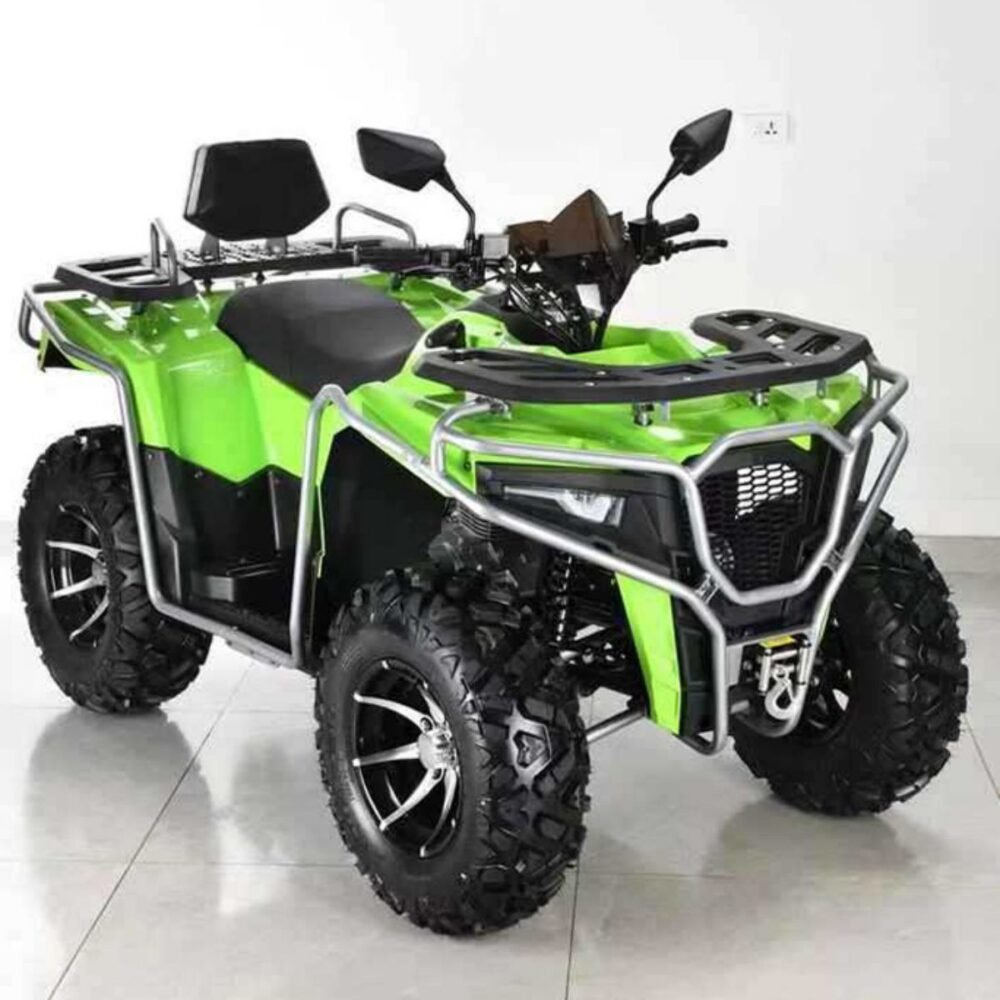
250cc Electric ATV liideway250
-
ATV scooter
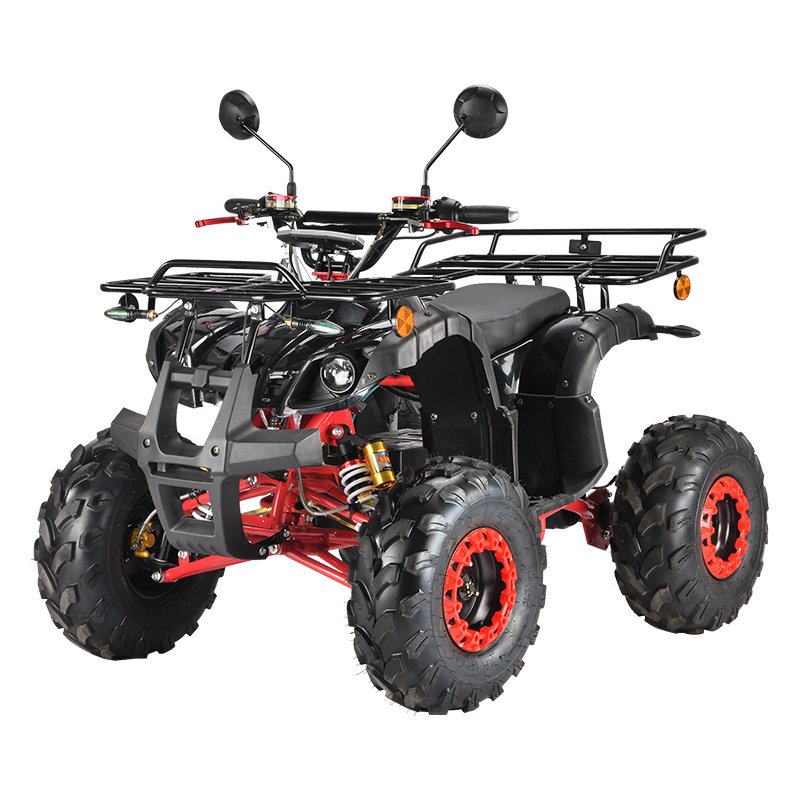
ATV electric motorcycle liideway HM-1
-
ATV scooter
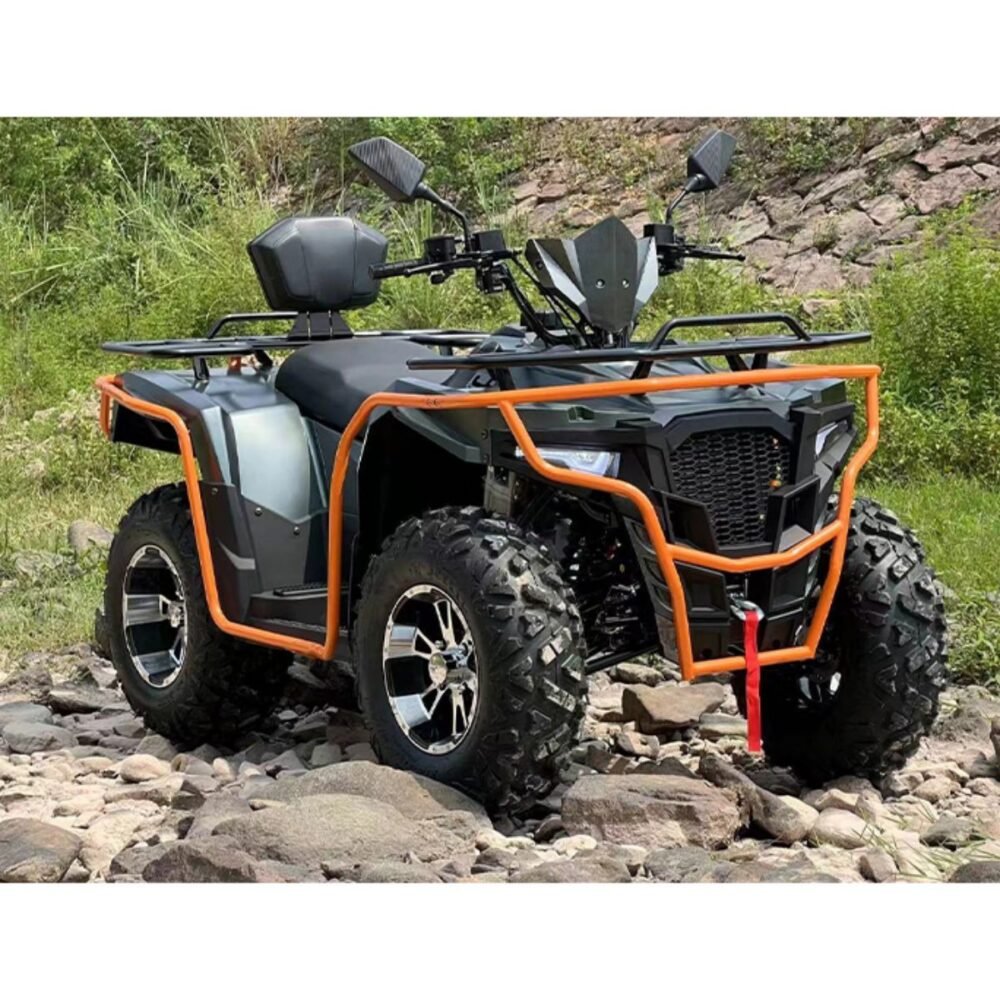
Electric ATV Scooter liideway 260
-
ATV scooter
High-Power Electric Scooter liideway270
-
ATV scooter
Shop Self-Balancing Scooters
- ATV scooter
250cc Electric ATV liideway250
- ATV scooter
ATV electric motorcycle liideway HM-1
- ATV scooter
Electric ATV Scooter liideway 260
- ATV scooter
High-Power Electric Scooter liideway270
- ATV scooter
Shop Self-Balancing Scooters

-
EEC scooter
Chopper Scooter for Adults liideway S8
-
EEC scooter
CityCoco bike liidewayL9
-
EEC scooter
CityCoco double motor liideway HM-7
-
EEC scooter
CityCoco for sale liideway M3max
-
EEC scooter
citycoco scooter liideway C1
-
EEC scooter
CityCoco speed liideway HM3
-
EEC scooter
Electric chopper bike for adults liideway RS09
-
EEC scooter
Electric chopper liideway T8 (EEC)
-
EEC scooter
Electric two-wheeler Harley RS06
-
EEC scooter
Electric Vehicle liideway L16
-
EEC scooter
Harley e-scooter liideway M3EEC
-
EEC scooter
Harley electric scooter range liieway HR6EEC
- EEC scooter
Chopper Scooter for Adults liideway S8
- EEC scooter
CityCoco bike liidewayL9
- EEC scooter
CityCoco double motor liideway HM-7
- EEC scooter
CityCoco for sale liideway M3max
- EEC scooter
citycoco scooter liideway C1
- EEC scooter
CityCoco speed liideway HM3
- EEC scooter
Electric chopper bike for adults liideway RS09
- EEC scooter
Electric chopper liideway T8 (EEC)
- EEC scooter
Electric two-wheeler Harley RS06
- EEC scooter
Electric Vehicle liideway L16
- EEC scooter
Harley e-scooter liideway M3EEC
- EEC scooter
Harley electric scooter range liieway HR6EEC

www.liideway.com
www.leadwaycn.com
www.prxel.com
www.elctrs.com
www.mdcem.com
www.elxpros.com
www.fame5.com
www.myqex.com
www.liidewayscooter.com
www.bikesscooter.com
www.scootersbike.com
www.rilla.com.cn
www.imovingon.com
www.goocycle.com
www.igoofast.com
www.scooterelectric.cn
www.bikeelectric.cn
Discover the world of self-balancing scooters, also known as hoverboards, including their functionality, types, and the key considerations to make when choosing the right model. Learn about popular brands like Segway, Swagtron, and Razor, and get valuable safety tips and maintenance advice to enhance your riding experience. This comprehensive guide provides essential insights for both beginners and experienced riders, ensuring safe and enjoyable journeys on your self-balancing scooter.
The Ultimate Guide to Choosing a Self-Balancing Scooter
Understanding Self-Balancing Scooters
Self-balancing scooters, commonly referred to as hoverboards or e-scooters, represent a significant advancement in personal transportation technology. These innovative devices operate on the principle of dynamic stabilization, utilizing an array of sensors, gyroscopes, and accelerometers to maintain balance and enable movement. By detecting the rider’s leaning and shifting of weight, the scooter can adjust its speed and direction accordingly, providing a user-friendly riding experience.
There are several types of self-balancing scooters available on the market, each with its own unique features tailored to different user needs. The most common types include two-wheeled hoverboards, one-wheeled scooters, and other multi-wheeled variants. Two-wheeled scooters are the most popular choice for beginners and casual riders due to their stability and ease of use. One-wheeled scooters, while more challenging to master, offer a thrilling ride and are favored by more experienced enthusiasts. Moreover, scooters may come equipped with various features such as Bluetooth connectivity, integrated speakers, or LED lights, enhancing both performance and user enjoyment.
When comparing self-balancing scooters to traditional scooters, it becomes evident that they offer unique advantages. Traditional scooters require more physical effort for propulsion and maneuverability, while self-balancing scooters provide a more relaxed riding experience without the necessity of pedaling. This aspect makes them particularly appealing for daily commuting and short-distance travel. Their environmentally friendly nature, as they often run on electric power, contributes positively to urban transportation, reducing carbon emissions and traffic congestion. The popularity of self-balancing scooters continues to grow, not just as a leisure activity but also as a viable mode of transport in crowded urban settings.
Key Considerations When Choosing a Self-Balancing Scooter
When selecting a self-balancing scooter, several key considerations come into play to ensure that the chosen model meets the rider’s needs and preferences. One critical factor is the weight capacity of the scooter. It is essential to choose a scooter that can support the rider’s weight comfortably, as exceeding the weight limit may result in compromised performance or potential safety hazards.
Another vital consideration is the scooter’s battery life. The duration of the battery will determine how far and how long a rider can enjoy their journey without interruptions. Riders should opt for a model with a battery that offers sufficient range based on their intended use, whether it be for short commutes or leisurely rides.
Top speed is also an important aspect to evaluate. Depending on the rider’s comfort level and experience, they may prefer a scooter with a modest maximum speed or one that offers exhilarating performance. Assessing the intended use can help in making this decision, especially for beginners who may benefit from a lower top speed for increased safety.
Range, typically defined as the maximum distance a scooter can travel on a single charge, should align with the rider’s commutation needs. Riders must consider their daily routes, ensuring that the scooter can handle the given distance without requiring frequent recharging.
Additionally, build quality and the materials used in construction significantly impact the durability and longevity of the scooter. A well-constructed scooter not only withstands regular use but also provides enhanced safety features. Speaking of safety, it’s crucial to evaluate the safety measures incorporated, such as LED lights for visibility, anti-slip footpads, and reliable braking systems.
Lastly, the rider’s skill level, age, and intended use must be factored into the decision-making process. A beginner may require a scooter that features beginner-friendly controls and settings, while more experienced riders might prioritize performance and capability. By considering these elements, individuals can select a self-balancing scooter that best fits their lifestyle and riding experience.
Comparing Popular Models and Brands
The self-balancing scooter market has expanded significantly in recent years, leading to a variety of options for consumers. Among the most popular brands are Segway, Swagtron, and Razor, each offering unique specifications that cater to different rider preferences. Segway’s models, such as the Segway miniPRO, are well-known for their robust construction and impressive speed, reaching up to 10 mph. This model also features a mobile app for enhanced control and safety features, garnering positive user reviews regarding its performance and reliability.
On the other hand, Swagtron offers a diverse lineup, including the Swagtron T580, which provides a balance between affordability and functionality. This scooter is notable for its lightweight design and Bluetooth connectivity, allowing for seamless sharing of ride data. Users appreciate the Swagtron T580’s ease of use and relatively lower price, making it an attractive option for beginners. However, some reviews indicate that its battery life could be improved, especially for longer trips.
Razor, a well-established name in personal transport, delivers models like the Razor Hovertrax 2.0. Known for its stylish design and competitive pricing, this scooter offers a comfortable ride with a maximum speed of around 8 mph. Razor’s Hovertrax has received favorable ratings for its stability and safety features, such as the intelligent battery management system. However, riders have noted that it may not be as durable as competitors, particularly for off-road use.
When selecting the right self-balancing scooter, it is crucial to consider not only brand reputation and specifications but also user feedback. By comparing these models and understanding their advantages and potential drawbacks, consumers can make informed decisions based on their individual needs and budget constraints, ensuring they choose the best scooter for their specific riding style.
Safety Tips and Maintenance for Your Self-Balancing Scooter
Using a self-balancing scooter can be an enjoyable and efficient mode of transportation; however, prioritizing safety is essential. First and foremost, wearing appropriate safety gear is crucial. At a minimum, riders should equip themselves with a helmet, knee pads, and elbow pads to minimize injury risks in case of falls. Additionally, it is advisable to wear sturdy footwear with good grip to enhance control while riding.
To promote safe riding practices, users must be aware of common mistakes. One key error is riding on uneven surfaces; maintaining balance is more challenging on gravel, dirt, or wet areas. Riders should also avoid speeding, particularly in crowded environments or unfamiliar terrain. Practicing appropriate turning and stopping techniques can help in maintaining control. Riders should always keep their weight centered and look ahead to anticipate potential obstacles, thereby reducing the likelihood of mishaps.
Proper handling of the self-balancing scooter not only enhances safety but also contributes to its longevity. It’s advisable to perform a pre-ride inspection, checking tire pressure, battery levels, and ensuring that all components are in proper working order. Maintaining a clean and dry scooter can prevent parts from wearing out quickly, and regular cleaning can help avoid build-up that could impact performance.
Regular maintenance routines are fundamental to the optimal functioning of a self-balancing scooter. Establish a schedule to inspect and tighten bolts, clean the wheels, and check the battery health. Storing the scooter in a cool, dry place further prolongs its lifespan. Being proactive with maintenance techniques will ensure safe and enjoyable rides.
By adhering to safety practices and implementing regular maintenance, users can significantly enhance their riding experience and mitigate risks associated with self-balancing scooters.segway ninebot g30


Reviews
There are no reviews yet.