
📧 Email: scooter1@leadwaycn.com 📞 Whatsapp/Tel: +8613480102329
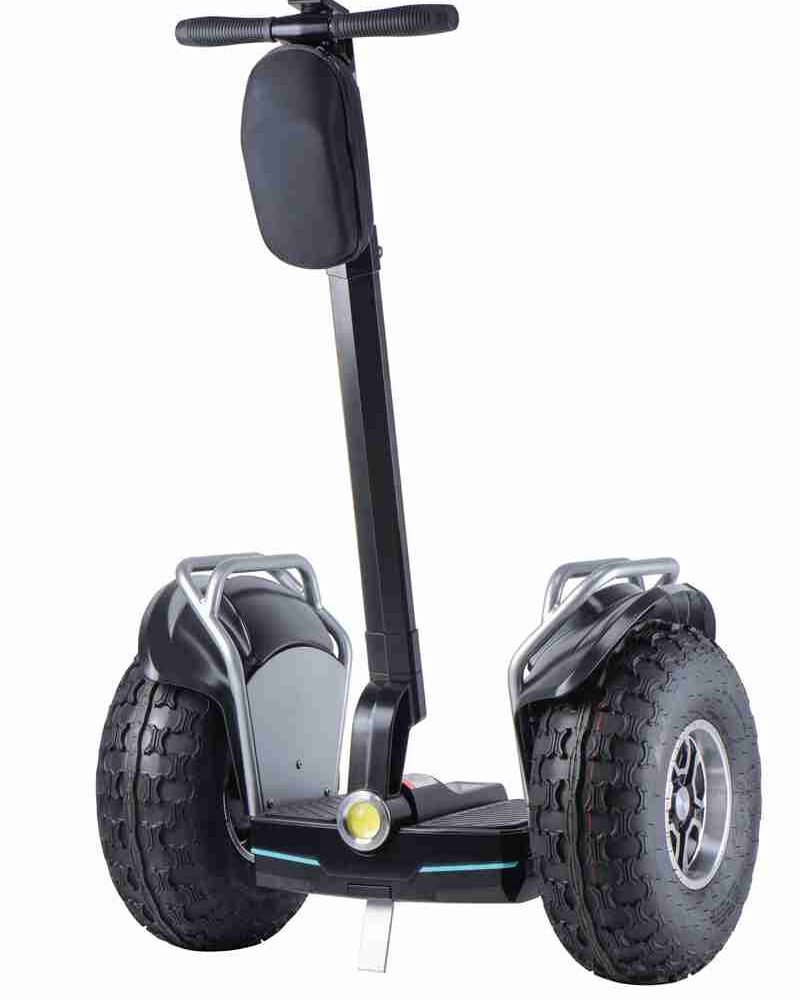
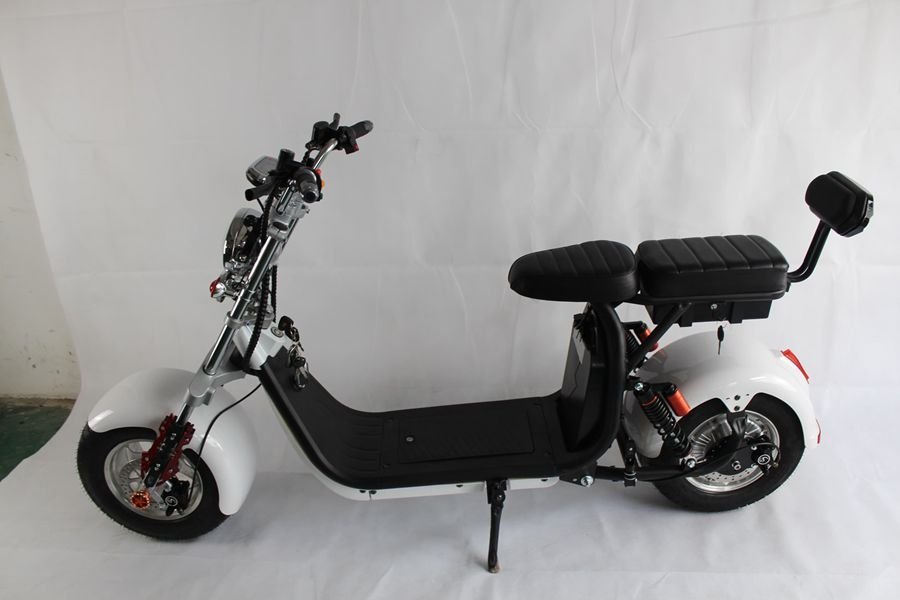
W5 | W5L | |
Main Material | Magnesium Alloy+Aluminum Alloy+ABS +Rubber | Magnesium Alloy+Aluminum Alloy+ABS +Rubber |
Max Speed | 20KM/H | 20KM/H |
Max Mileage | 35-40KM | 75-80KM |
Max Load | 150KG | 150KG |
Min Turning Radius | 0° | 0° |
Max Climbing | ≤35° | ≤35° |
Height of Pedal | 220mm | 220mm |
Max Height of Ground | 125mm | 125mm |
Tire Size | 20inch | 20inch |
Standard Pressure | 15 PSI or 1.0 bar or 105 kpa | 15 PSI or 1.0 bar or 105 kpa |
Long*Width*High | 488*836*1080-1480mm (Adustable) | 488*836*1080-1480mm (Adustable) |
Net Weight | 39.6KG | 41.2KG |
Gross Weight | 50.3KG | 52.3KG |
Packing Size | 91*52*63CM | 91*52*63CM |
Working Tamnosnt | -10-+40℃ | -10-+40℃ |
Storage | -20~+50℃ | -20~+50℃ |
Waterproof | IP56 | IP56 |
Begginner Mode | Yes,set via APP | Yes,set via APP |
Applicable Terrain | Cement Road/Asphalt road/Grass/Gravel Road/Beach | Cement Road/Asphalt road/Grass/Gravel Road/Beach |
Certifications | CE/FCC/RoHS/MSDS/UN38.3/Air transport report/Sea transport report | CE/FCC/RoHS/MSDS/UN38.3/Air transport report/Sea transport report |
Motherboard Parameters | Dual System | Dual System |
Battery | SAMSUNG 18650 Lithium Battery | SAMSUNG 18650 Lithium Battery |
Rated Voltage | 57.6V | 57.6V |
Max Charging Voltage | 67.2V | 67.2V |
Rated Capacity ( Ah) | 7.8Ah | 15.6Ah ( Dual Batteries ) |
Intelligent BMS: | Overvoltage Protection / Undervoltage Protection / Short circuit Protection/ Overheating protection,Automatic sleep / Wake | Overvoltage Protection / Undervoltage Protection / Short circuit Protection/ Overheating protection,Automatic sleep / Wake |
Motor | Brushless DC Motor | Brushless DC Motor |
Rated Power | 1500W*2=3000W | 1500W*2=3000W |
Charger Parameters | Input Voltage | 100~240V |
Output Voltage | 67.2V | 67.2V |
Output Current | 2A | 3A |
Rated Power | 120W | 120W |
Charging Time | 4-5Hour | 6-7 Hour |
Operating Mode | Standby mode/Pulling mode/Speed limit driving mode/Normal driving mode/Remote mode/Lock mode | Standby mode/Pulling mode/Speed limit driving mode/Normal driving mode/Remote mode/Lock mode |
Display Panel | 6.5inch OLED Display/Battery/Speed/Mileage/ Lamp/Lock/Bluetooth | 6.5inch OLED Display/Battery/Speed/Mileage/ Lamp/Lock/Bluetooth |
light | Front lamp/Ambient light/Left/Right turn light /Brake light/Backup Light | Front lamp/Ambient light/Left/Right turn light /Brake light/Backup Light |
Wireless Connections | Bluetooth | Bluetooth |
APP | Yes | Yes |
Voice | Yes | Yes |
USB Charging | Yes (5V/1A) | |
Bluetooth Music | Yes | |
Colour | Black / White / Silver / Space gray | Black / White / Silver / Space gray |
Front Bag | Option | Option |
Knee Pad+Helmet | Option | Option |
Container Qty. | 20GP: 102pcs/40HQ:236pcs | 20GP: 102pcs/40HQ:236pcs |
Electric Bike liideway FT
Electric Commuter Bike liideway L1
Electric Motorbike liideway Q8
Electric scooter Harley liideway RS05
Electric Sportbike liideway X131
Electric vehicle (EV) scooter liideway XT1
Harley-Davidson eco-friendly scooter RS08 (MINI)
Harley-Davidson EV scooter RS07
Shop Self-Balancing Scooters
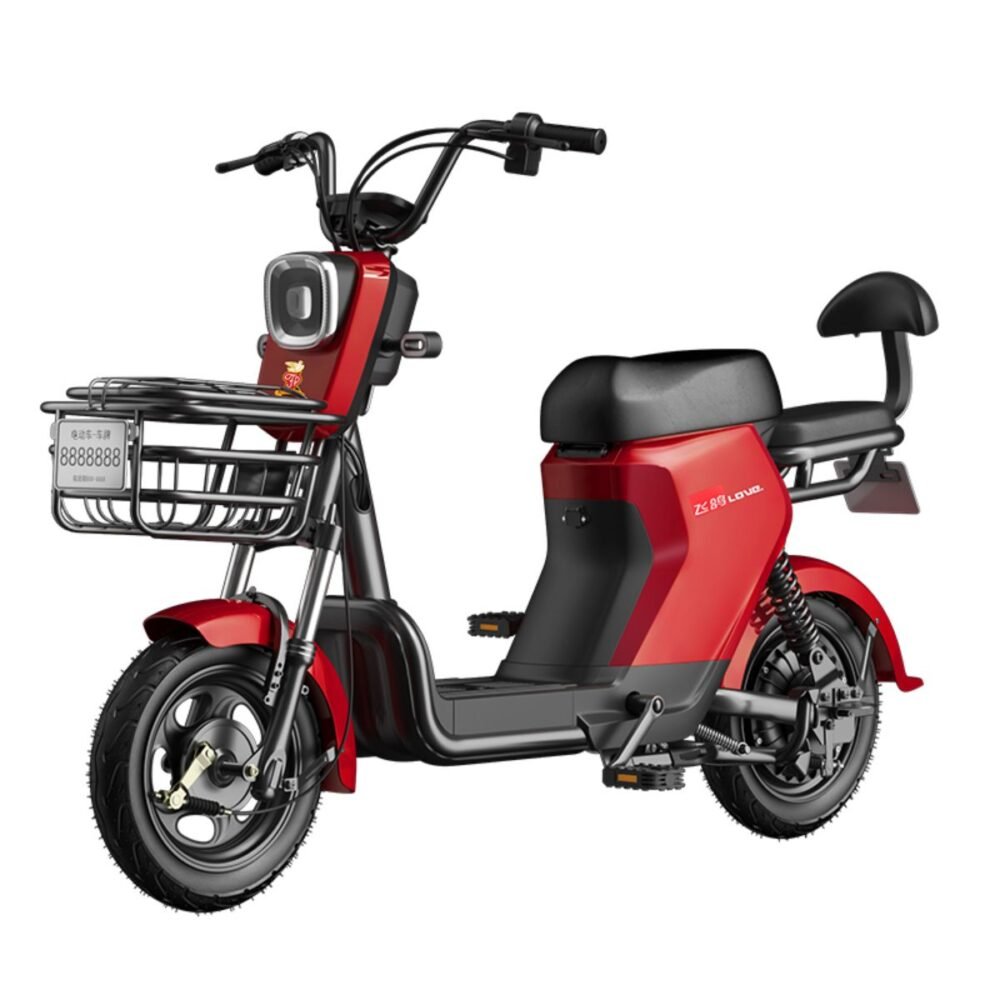
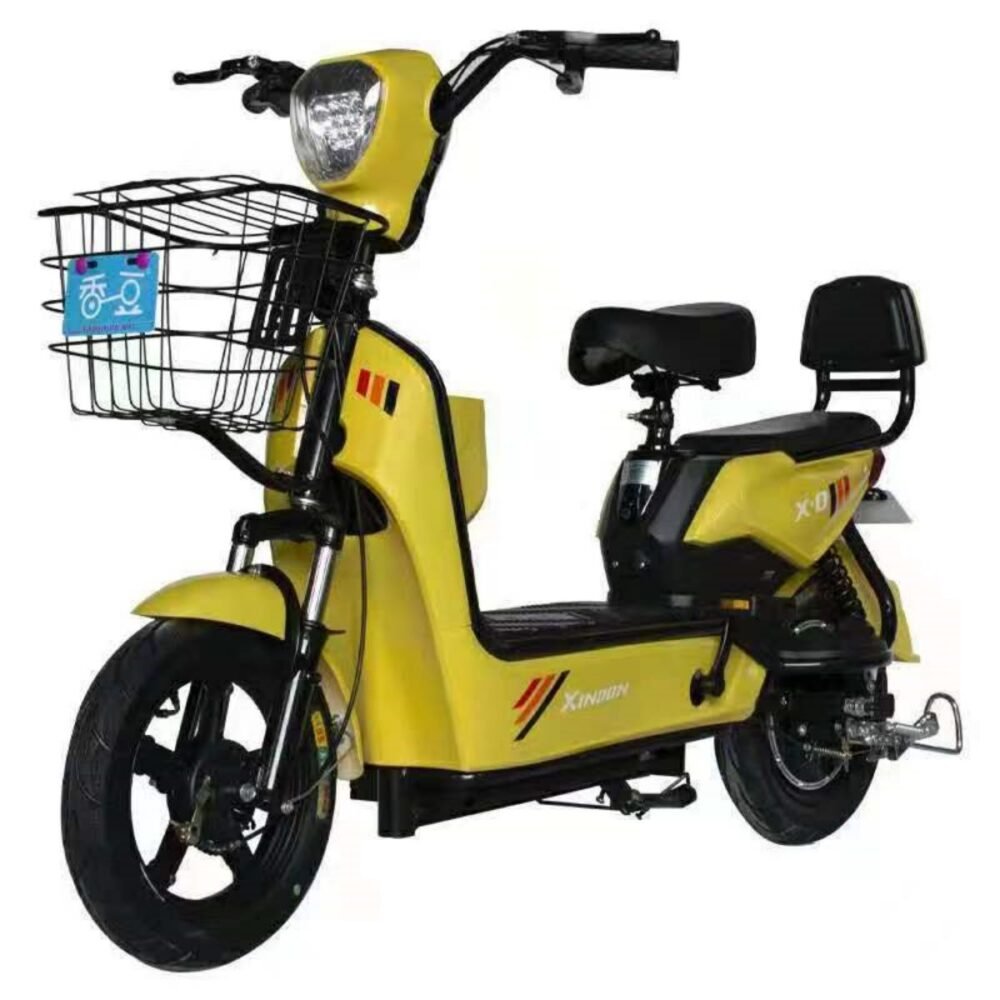
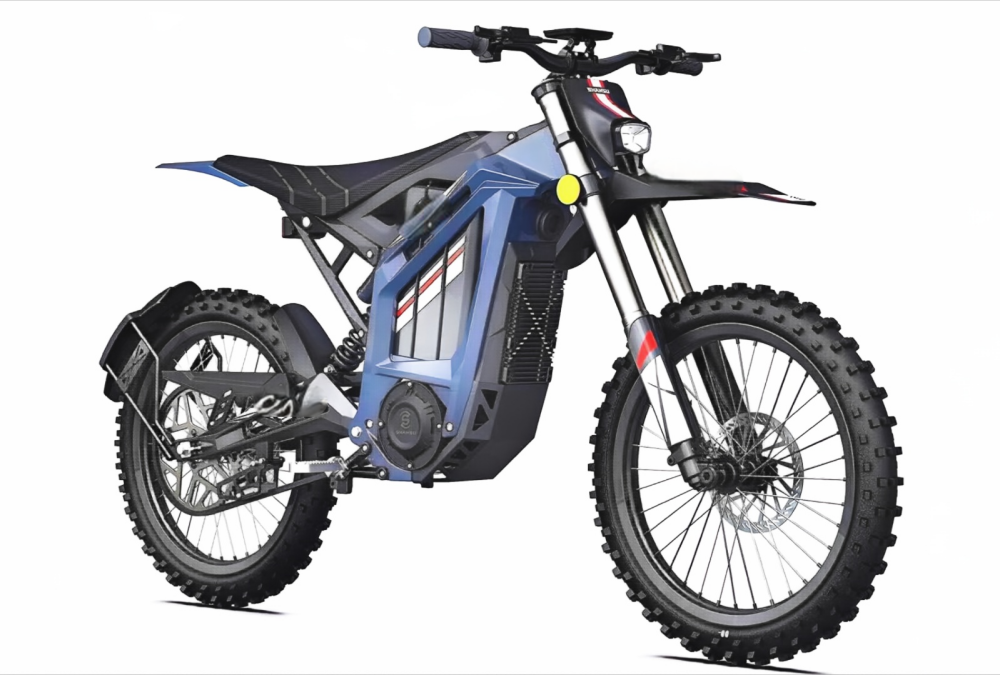
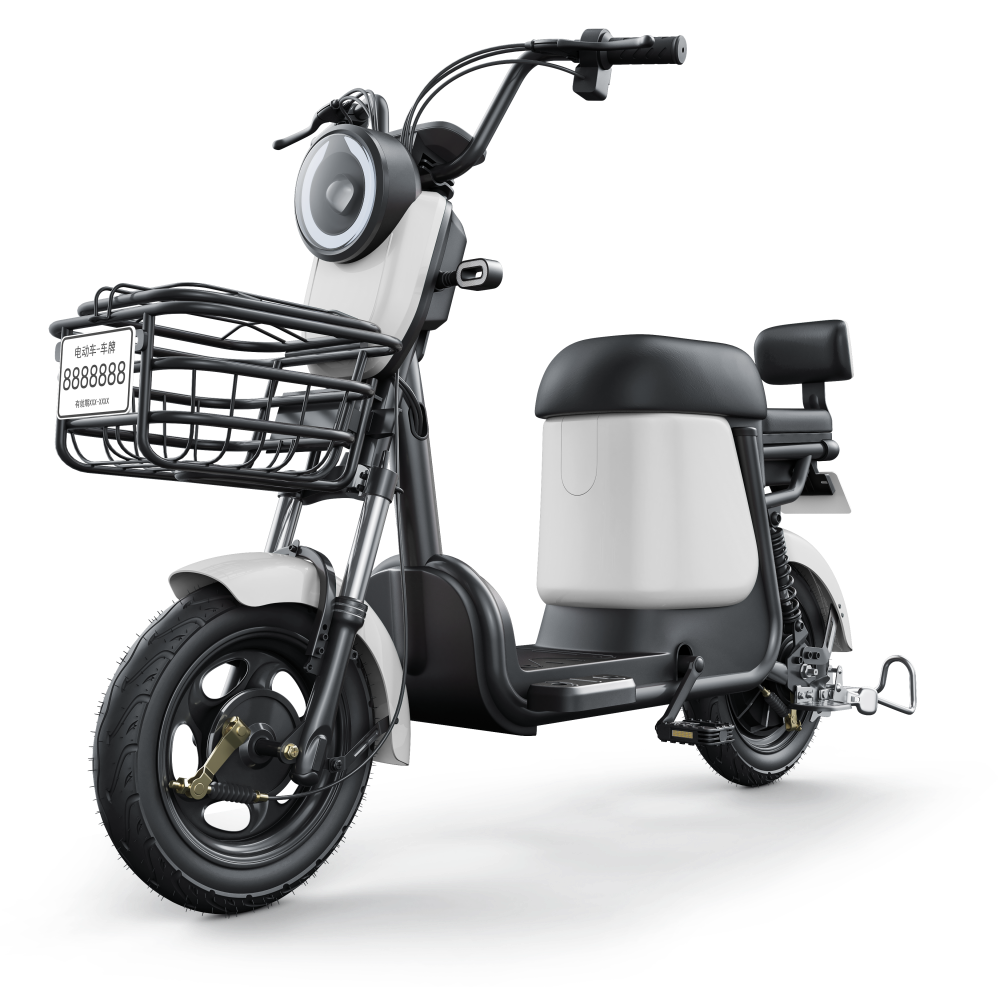
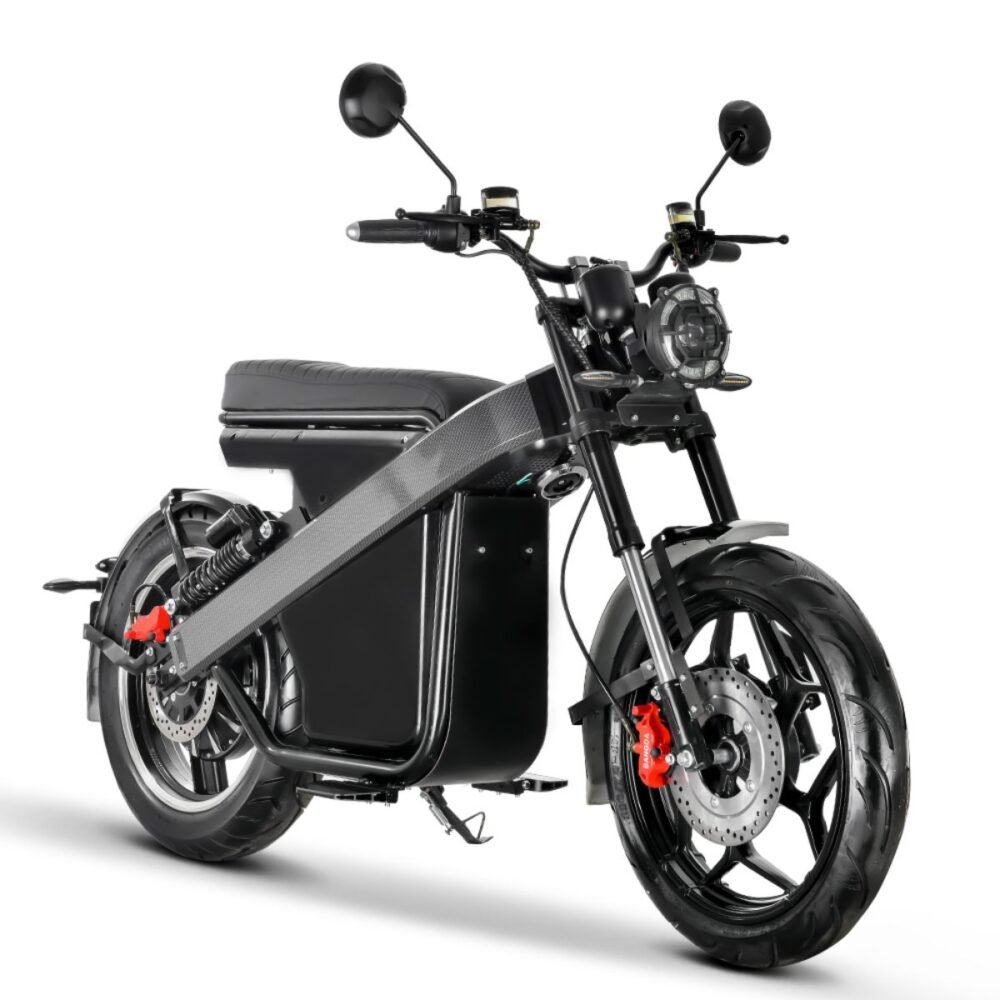
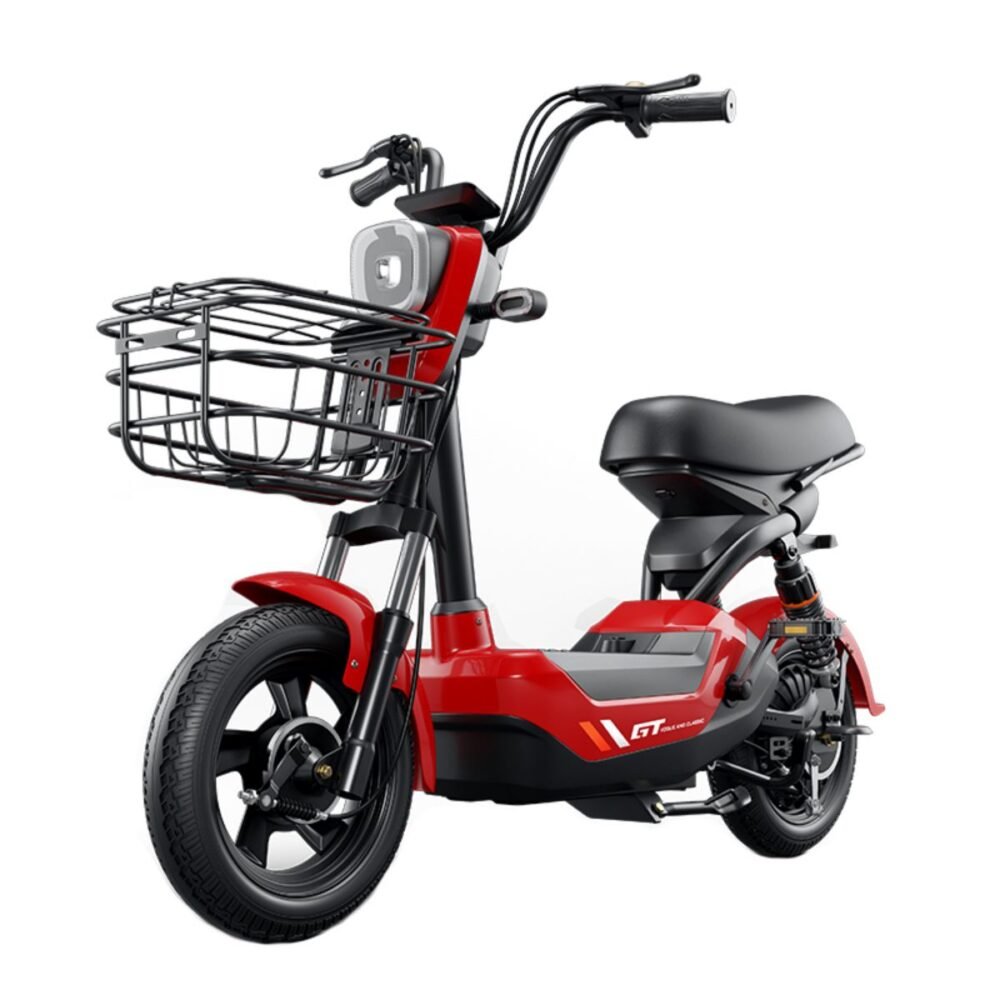
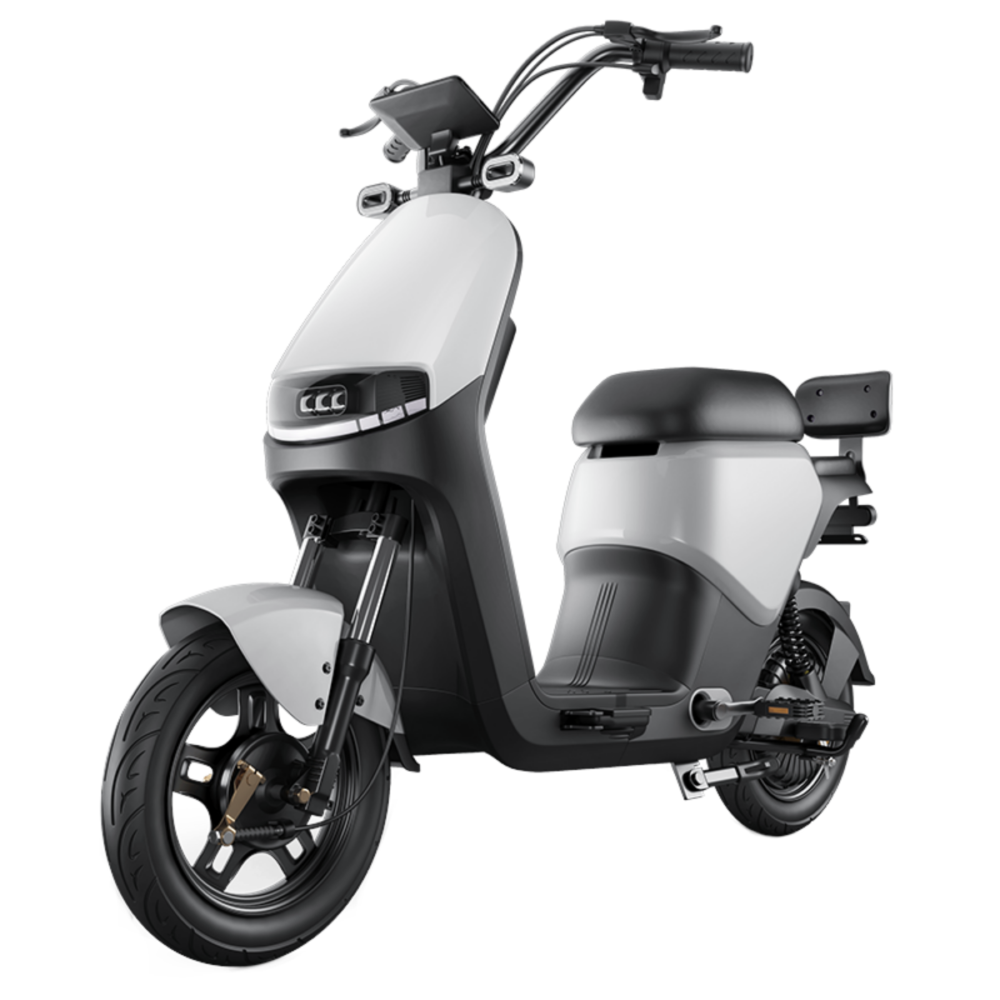
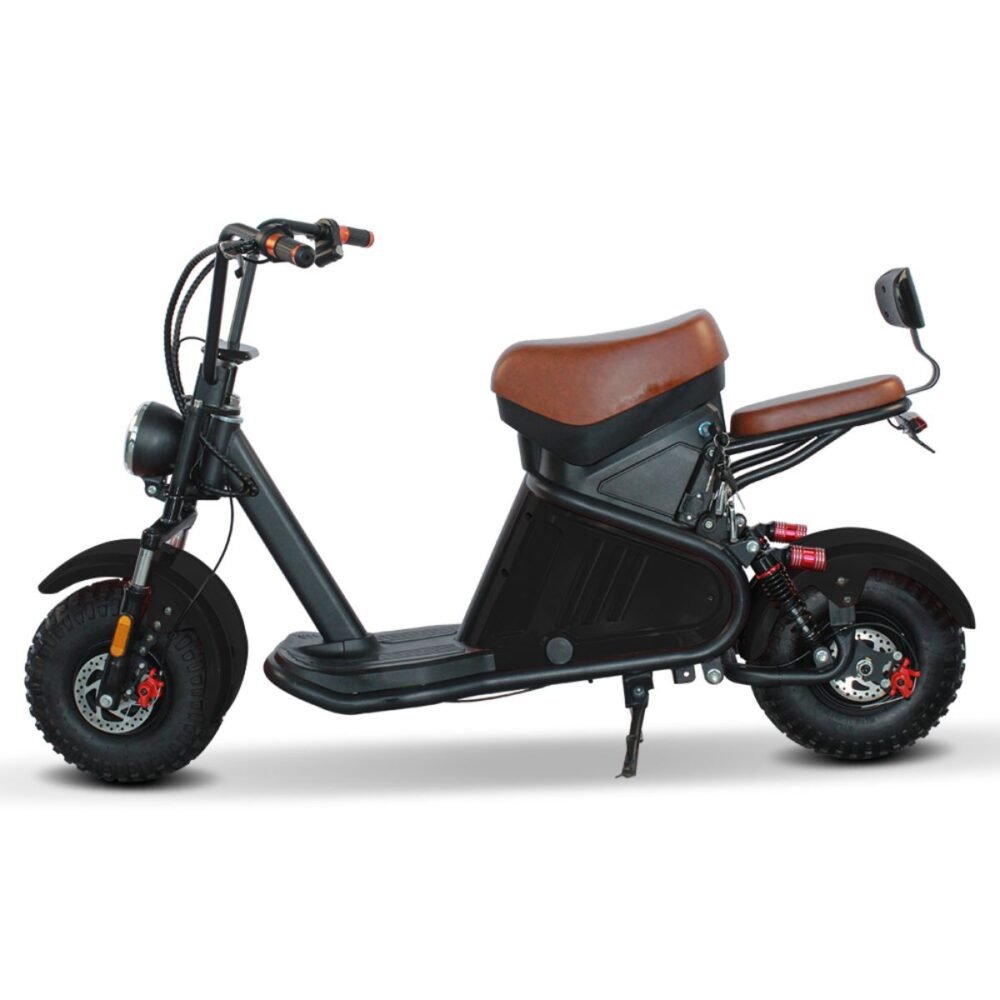


- motorcycle scooter
Electric Motorcycle liideway L5
- motorcycle scooter
Harley electric bike liideway M6
- motorcycle scooter
Harley electric mobility liideway I2
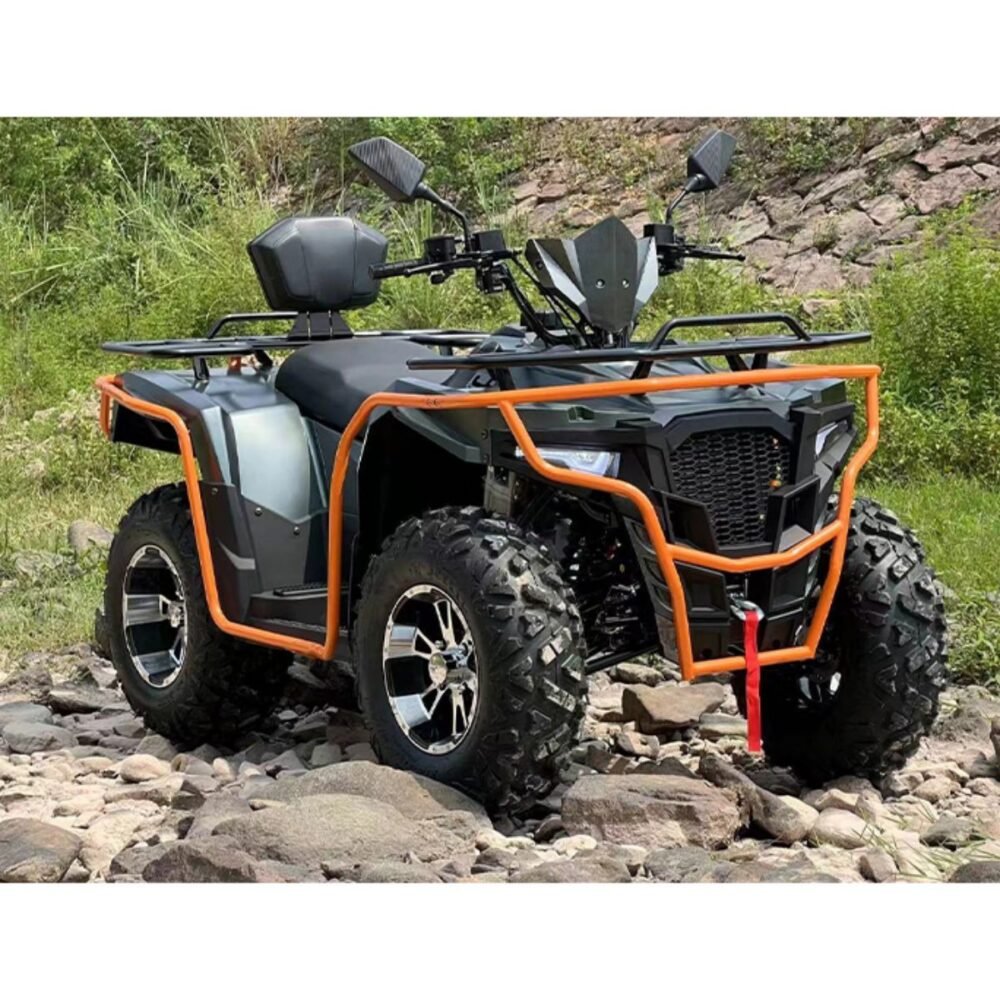
- ATV scooter
Shop Self-Balancing Scooters
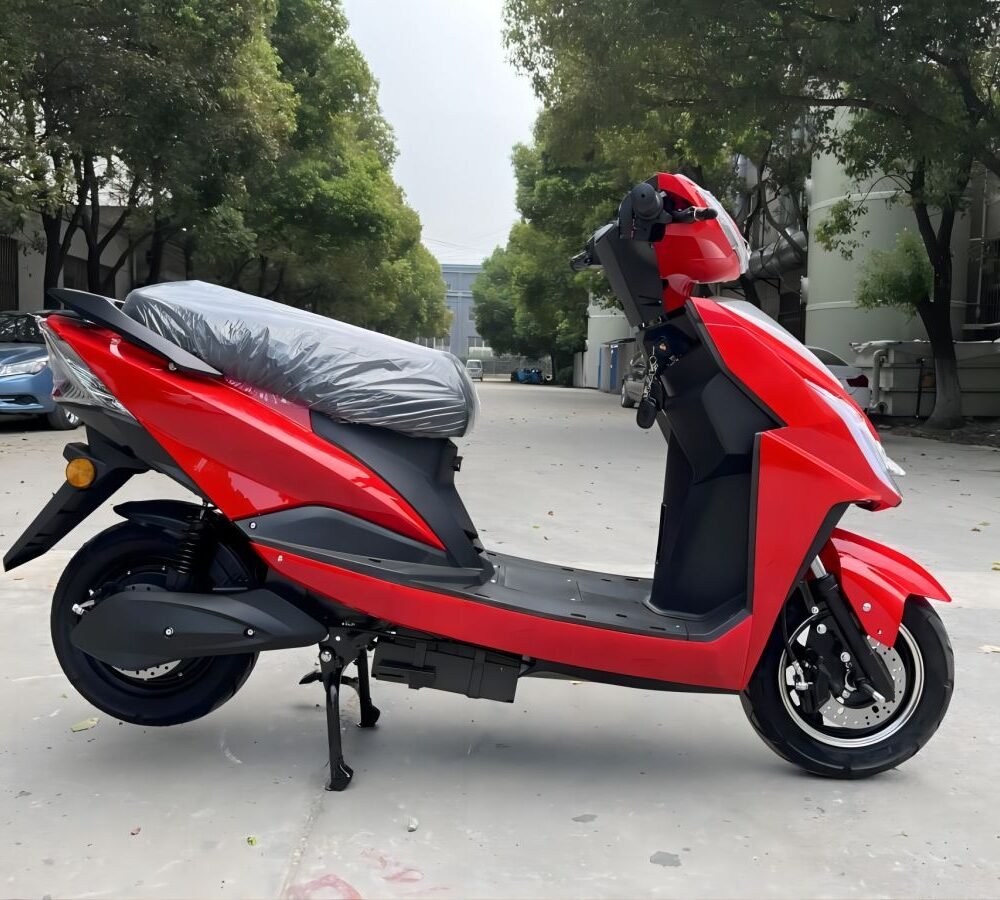
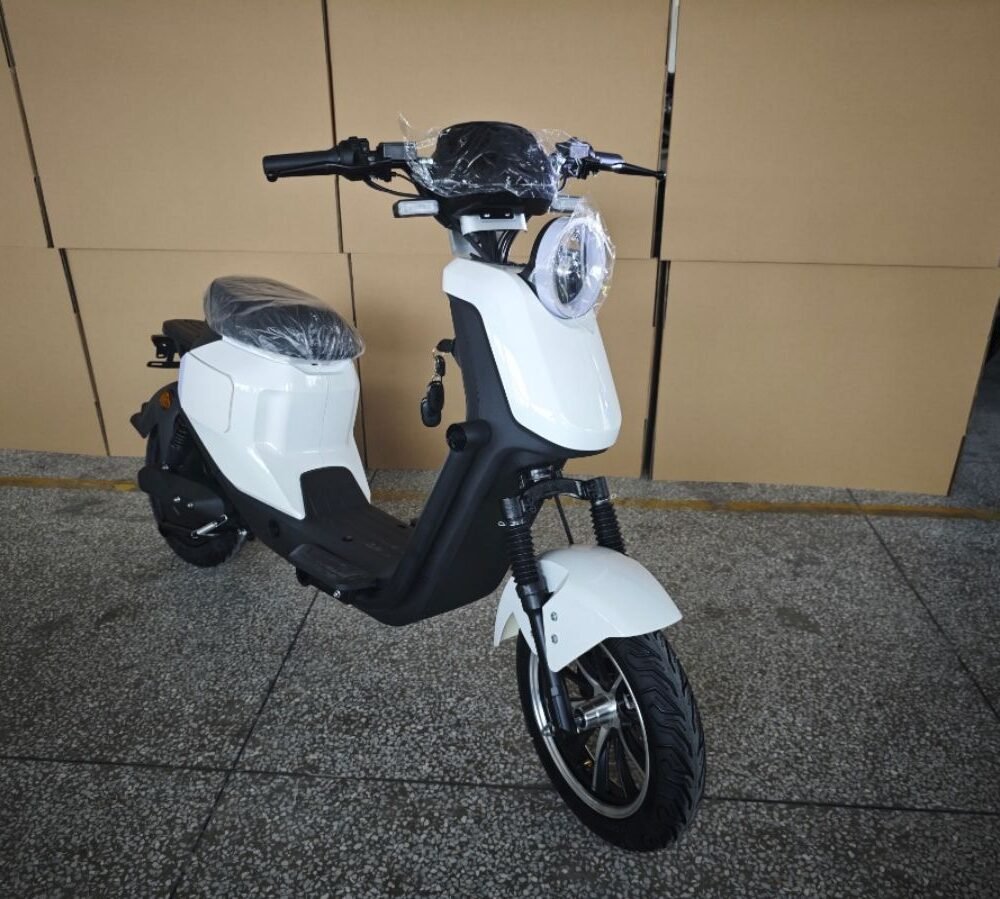
- ATV scooter
250cc Electric ATV liideway250
- ATV scooter
ATV electric motorcycle liideway HM-1
- ATV scooter
Electric ATV Scooter liideway 260
- ATV scooter
High-Power Electric Scooter liideway270
- ATV scooter
Shop Self-Balancing Scooters
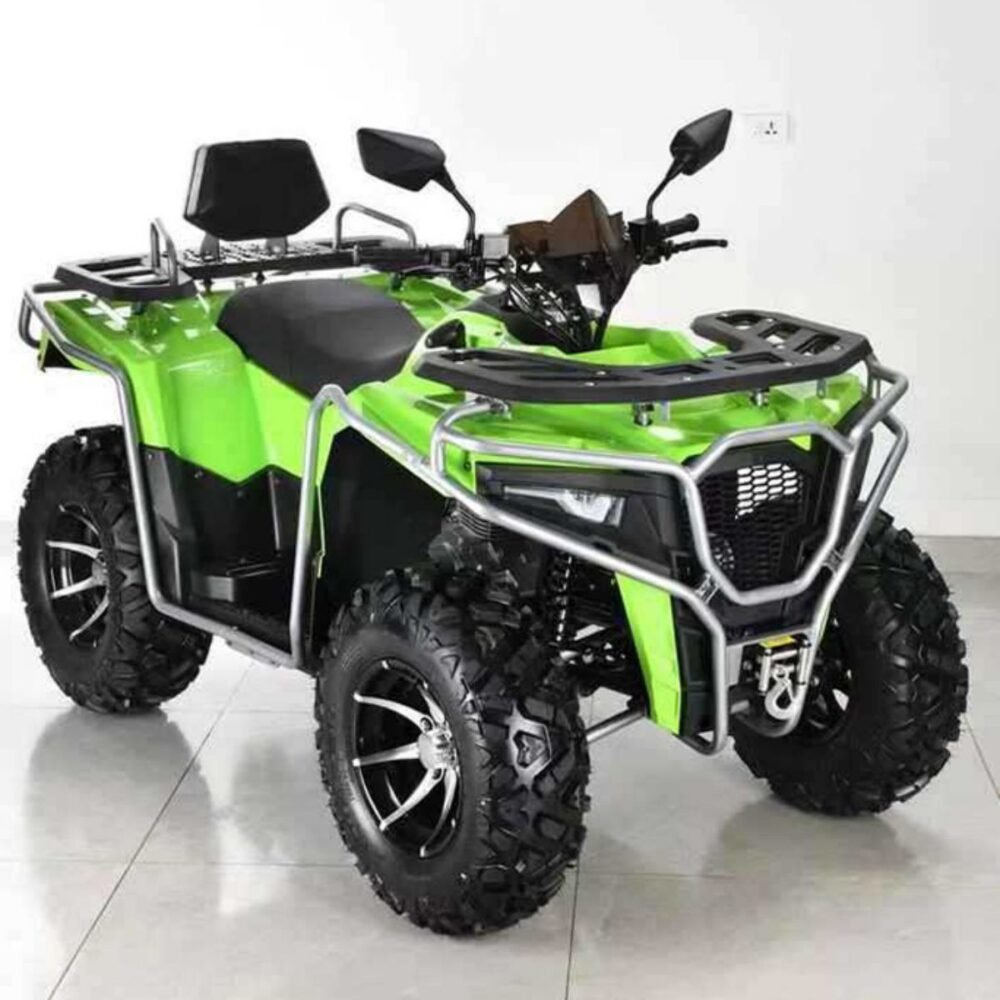
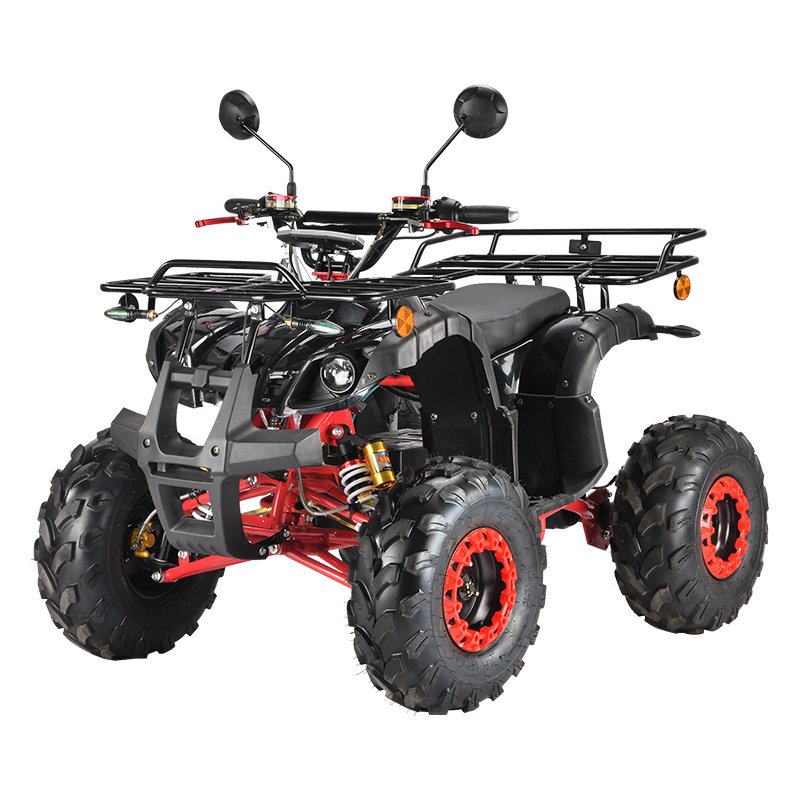

-
EEC scooter
Chopper Scooter for Adults liideway S8
-
EEC scooter
CityCoco bike liidewayL9
-
EEC scooter
CityCoco double motor liideway HM-7
-
EEC scooter
CityCoco for sale liideway M3max
-
EEC scooter
citycoco scooter liideway C1
-
EEC scooter
CityCoco speed liideway HM3
-
EEC scooter
Electric chopper bike for adults liideway RS09
-
EEC scooter
Electric chopper liideway T8 (EEC)
-
EEC scooter
Electric two-wheeler Harley RS06
-
EEC scooter
Electric Vehicle liideway L16
-
EEC scooter
Harley e-scooter liideway M3EEC
-
EEC scooter
Harley electric scooter range liieway HR6EEC
- EEC scooter
Chopper Scooter for Adults liideway S8
- EEC scooter
CityCoco bike liidewayL9
- EEC scooter
CityCoco double motor liideway HM-7
- EEC scooter
CityCoco for sale liideway M3max
- EEC scooter
citycoco scooter liideway C1
- EEC scooter
CityCoco speed liideway HM3
- EEC scooter
Electric chopper bike for adults liideway RS09
- EEC scooter
Electric chopper liideway T8 (EEC)
- EEC scooter
Electric two-wheeler Harley RS06
- EEC scooter
Electric Vehicle liideway L16
- EEC scooter
Harley e-scooter liideway M3EEC
- EEC scooter
Harley electric scooter range liieway HR6EEC
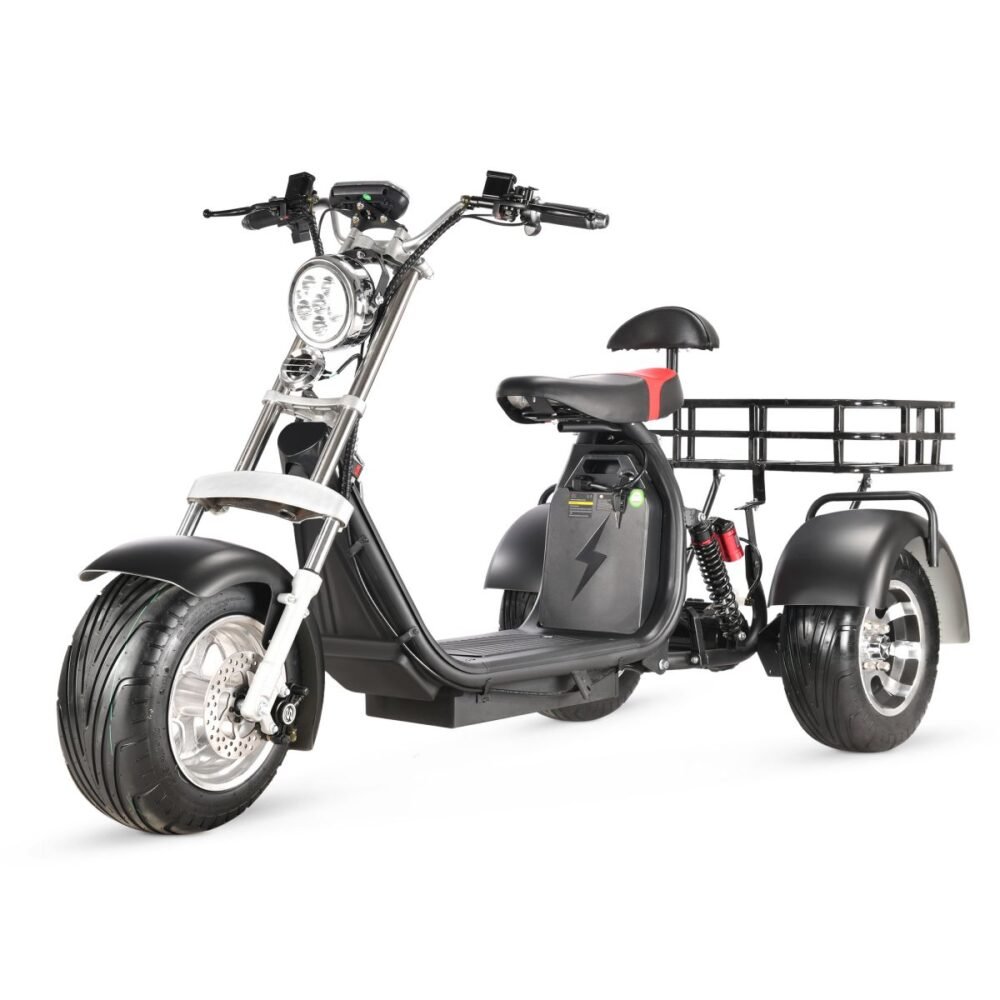
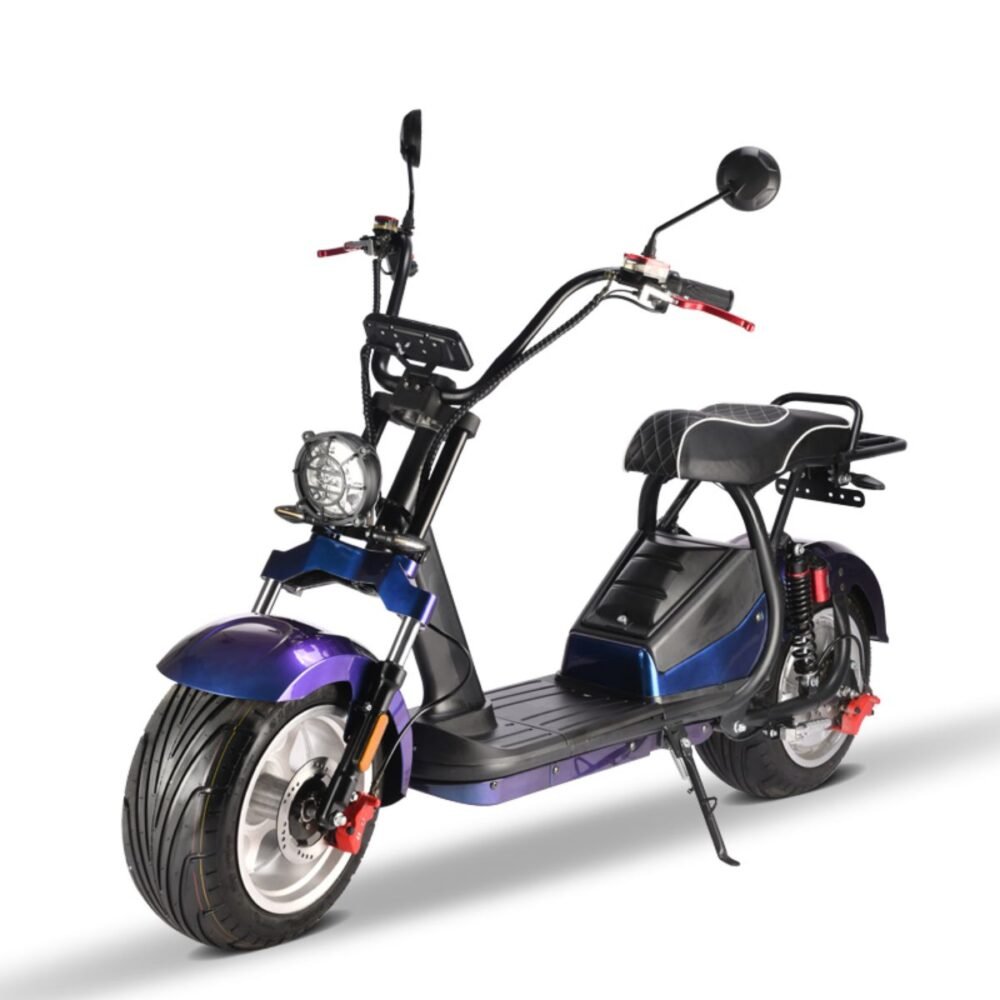
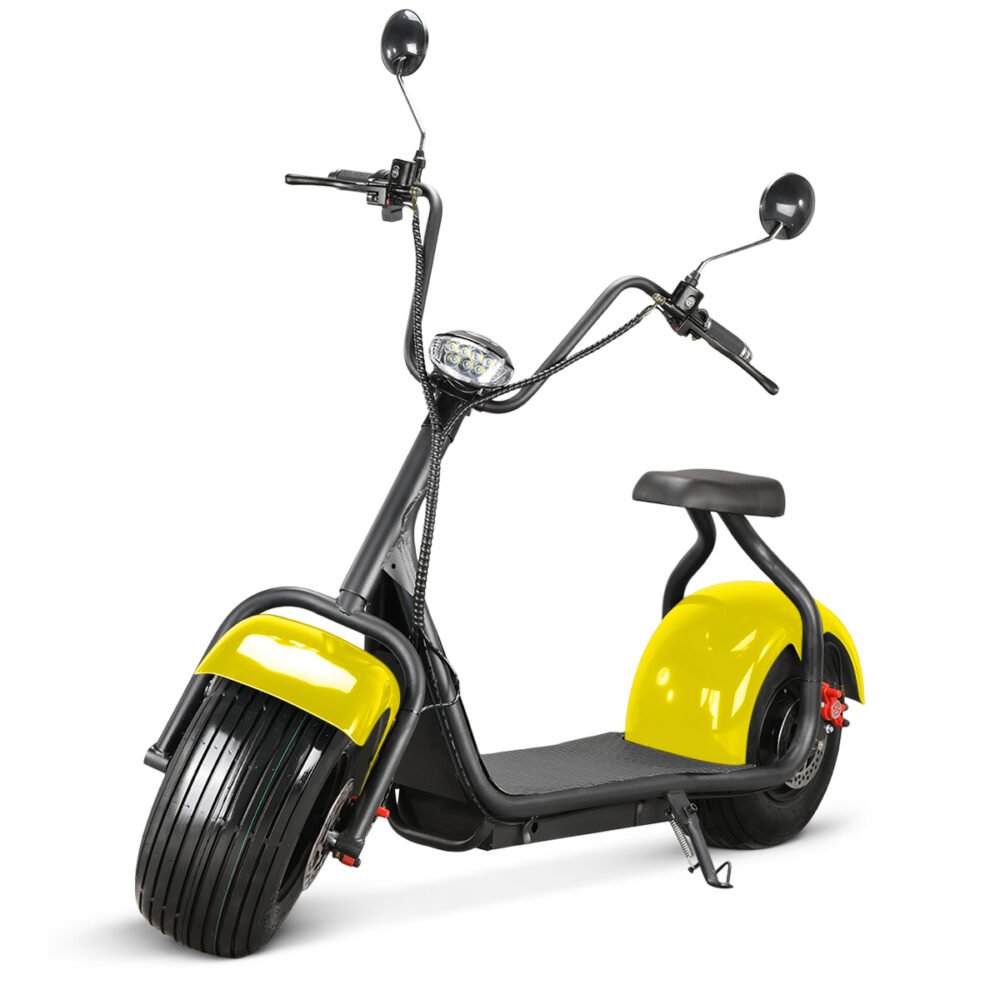

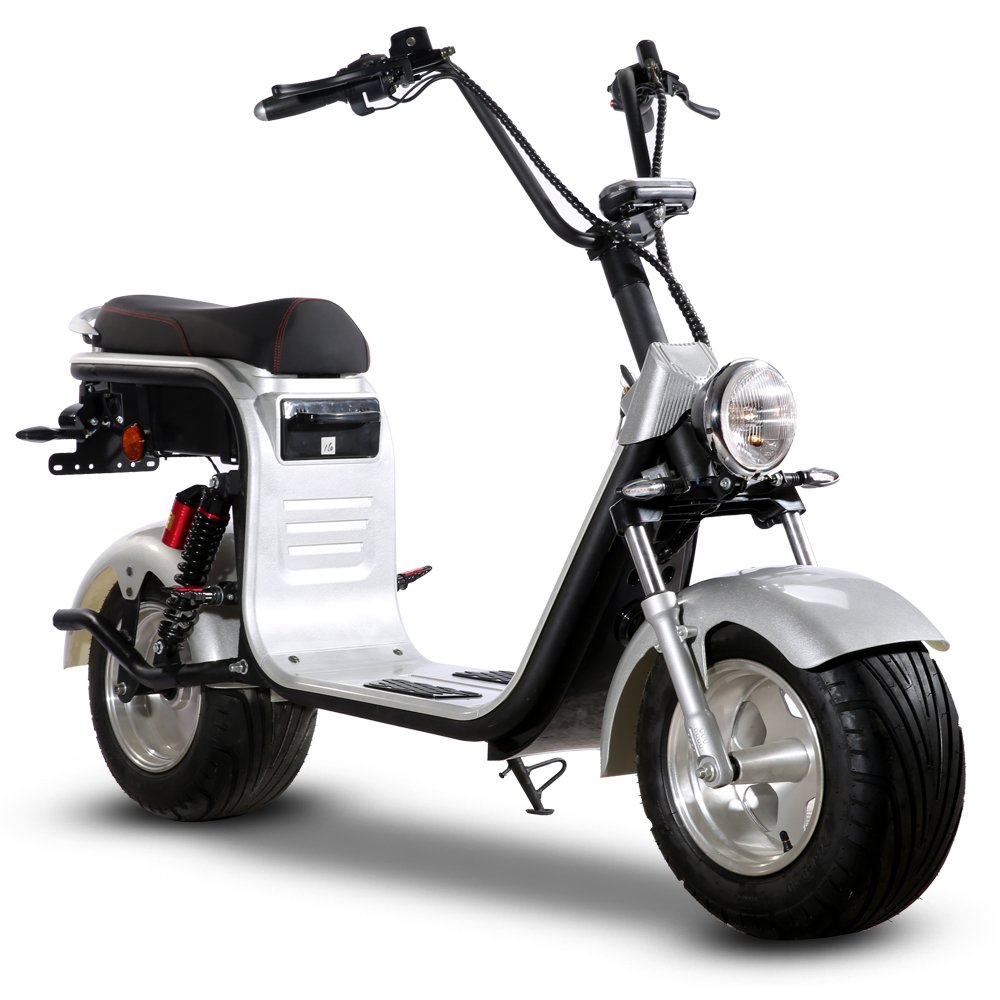
www.liideway.com
www.leadwaycn.com
www.liideway.com
www.leadwaycn.com
https://www.liideway.com/products/electric-bike-bicycle-e-bike-fat-tire-adult-20-inch-e20
https://www.liideway.com/products/electric-bike-for-adults-750w-motor-foldable-bikes-liideway-zl2006
https://www.liideway.com/products/electric-scooter-review-with-seat-adults-lights-liideway-g1
https://www.liideway.com/products/top-self-balancing-electric-scooter-segway-hoverboard-liideway-w5
https://www.liideway.com/products/electric-bike-for-adults-750w-motor-foldable-bikes-liideway-2006-a
Electric Ebike for Adult 750W Motor E-Bike bike USA Stock Free Shipping
https://www.liideway.com/products/adults-electric-bike-20x-4-fat-tires-1000w-powerful-motor
11inch electric scooter liideway T9:
https://leadwaycn.com/product/11inch-electric-scooter-liideway-t9/
12inch electric scooter liideway T14:
https://leadwaycn.com/product/12inch-electric-scooter-liideway-t14/
14-Inch Electric Scooters liideway T6:
https://leadwaycn.com/product/14-inch-electric-scooters-liideway-t6/
3 wheel scooter electric adult liideway LW3wheel:
https://leadwaycn.com/product/3-wheel-scooter-electric-adult-liideway-lw3wheel/
Adult Electric Scooters liideway T7:
https://leadwaycn.com/product/adult-electric-scooters-liideway-t7/
electric motor scooter liideway T12:
https://leadwaycn.com/product/electric-motor-scooter-liideway-t12/
electric scooter 200 km liideway T1pro:
https://leadwaycn.com/product/electric-scooter-200-km-liideway-t1pro/
Electric Scooter Bikes liideway T11:
https://leadwaycn.com/product/electric-scooter-bikes-liideway-t11/
electric scooter distributor liideway T4:
https://leadwaycn.com/product/electric-scooter-distributor-liideway-t4/
electric scooter lithium battery liideway T2Plus:
https://leadwaycn.com/product/electric-scooter-lithium-battery-liideway-t2plus/
electric scooter sales liideway T2:
https://leadwaycn.com/product/electric-scooter-sales-liideway-t2/
electric scooters 48v liideway T2pro:
https://leadwaycn.com/product/electric-scooters-48v-liideway-t2pro/
Electric Snow Scooter liideway T13 :
https://leadwaycn.com/product/electric-snow-scooter-liideway-t13/
Europe Electric Scooters Market liideway T10:
https://leadwaycn.com/product/europe-electric-scooters-market-liideway-t10/
Liideway Electric Scooters T8:
https://leadwaycn.com/product/liideway-electric-scooters-t8/
new 2026 electric scooters liideway T1:
https://leadwaycn.com/product/new-2024-electric-scooters-liideway-t1/
Powerful Electric Scooters liideway T15:
https://leadwaycn.com/product/powerful-electric-scooters-liideway-t15/
Discover the world of self-balancing vehicles, including hoverboards, electric unicycles, and scooters. Learn about their revolutionary technology, benefits for urban transportation, and challenges such as safety and regulations. Explore how advancements in battery technology and smart city integration are set to redefine the future of personal mobility, making it more efficient and environmentally friendly.
The Future of Transportation: Exploring Self-Balancing Vehicles
What Are Self-Balancing Vehicles?
Self-balancing vehicles represent a revolutionary leap in personal transportation technology, characterized by their ability to maintain equilibrium while in motion. Utilizing a sophisticated combination of sensors, gyroscopes, and algorithms, these vehicles dynamically adjust their posture to ensure stability, allowing users to ride with minimal effort. The underlying mechanics rely on a feedback loop where data from the sensors is constantly analyzed to detect changes in orientation and speed. This information is promptly used to make real-time adjustments, enabling the vehicle to stay upright and navigate various terrains smoothly.
Among the most popular types of self-balancing vehicles are hoverboards, electric unicycles, and electric scooters. Hoverboards, for instance, have gained widespread popularity for their ease of use and compact design. Operating on footpads that detect shifts in weight, riders simply lean forward or backward to control their speed and direction. Electric unicycles present a distinct riding experience, featuring a single wheel and often requiring a learning curve for new users. Their design necessitates a balance between the rider’s body position and the vehicle’s motion to achieve a smooth ride. Additionally, electric scooters have emerged as a practical mode of transport for urban commuting. These scooters employ the same self-balancing technology to optimize stability, making them an appealing choice for users seeking a convenient and environmentally friendly option.
The diversity in self-balancing vehicles illustrates their broader implications for the future of transportation. Their innovative designs and technology not only enhance mobility but also promote an increased awareness of sustainable practices. As cities continue to evolve towards more eco-friendly transport solutions, self-balancing vehicles are likely to play a crucial role in shaping this transition.
The Benefits of Self-Balancing Vehicles
Self-balancing vehicles, which include devices such as electric scooters and hoverboards, offer numerous advantages that make them increasingly popular for urban transportation. One of their primary benefits is their efficiency, particularly in densely populated cities where traffic congestion is a significant concern. These vehicles are typically smaller and more agile than traditional automobiles, enabling users to navigate through tighter spaces and avoid traffic jams. This efficiency can lead to quicker commutes and less time spent in transit.
Ease of use is another compelling advantage associated with self-balancing vehicles. Designed with beginners in mind, many models feature intuitive controls and user-friendly designs. Users often find that it takes minimal practice to become proficient with operating such vehicles, making them an attractive option for individuals who may be intimidated by traditional biking or driving. The learning curve is gentle, which encourages broader adoption among diverse age groups and skill levels.
Environmental benefits are a significant factor contributing to the appeal of self-balancing vehicles. They typically produce lower emissions than conventional cars and utilize electricity, which can be generated from renewable sources. This shift towards cleaner transportation alternatives is essential for reducing the urban carbon footprint. By decreasing reliance on fossil fuels, these vehicles contribute to a more sustainable future.
Moreover, self-balancing vehicles enhance accessibility, catering not only to young and able individuals but also to those with mobility limitations. Their lightweight and portable design also allows for convenient storage and transportation, making them an excellent option for short-distance travel. Passengers can easily carry them onto public transportation or store them at their destinations, facilitating seamless transitions between different modes of transport. Overall, the advantages of self-balancing vehicles make them a promising solution for addressing contemporary transportation challenges while promoting sustainability and accessibility.
Challenges and Limitations
Self-balancing vehicles have gained significant attention for their potential to revolutionize personal transportation. However, several challenges and limitations must be addressed before widespread adoption can occur. One of the primary concerns centers around safety. Although self-balancing technology aids in stability, the risk of accidents remains a prominent issue. Users of these vehicles often face danger, especially in urban environments where traffic is heavy. It is crucial that riders are educated on the importance of wearing protective gear, such as helmets and knee pads, to mitigate the impact of possible falls or collisions.
Furthermore, legal and regulatory concerns are integral to the adoption of self-balancing vehicles. Laws governing where these vehicles can be operated vary significantly from one region to another. Many municipalities currently lack defined regulations on their use, creating ambiguity for potential riders. This inconsistency extends to how self-balancing vehicles fit within existing transportation policies. As these vehicles navigate public spaces traditionally occupied by bicycles and pedestrians, clear guidelines must be established to promote safe coexistence and enforce regulations that protect all users of such spaces.
Technical challenges also pose significant hurdles for manufacturers. One of the most pressing issues is battery life; ensuring that self-balancing vehicles can operate for extended periods without frequent recharging is crucial for user acceptance. Additionally, limitations in speed can restrict their appeal as a viable alternative to conventional modes of transportation. Alongside these factors, susceptibility to adverse weather conditions can negatively impact the performance of self-balancing vehicles, as rain or snow can lead to more complicated handling and increased risk of accidents. Addressing these challenges is essential for the future success and integration of self-balancing vehicles into the broader landscape of modern transportation.
The Future of Self-Balancing Vehicles
As we move deeper into the 21st century, self-balancing vehicles are poised to redefine urban transportation. Revolutionary advancements in battery technology will play a critical role in enhancing the usability and practicality of these vehicles. The next generation of self-balancing vehicles is expected to feature lightweight, long-lasting batteries that can provide extended ranges, enabling users to travel greater distances without the hassle of frequent recharging. Such improvements are likely to foster increased confidence among potential users, driving larger segments of the population to embrace this innovative mode of transport.
Integration with smart city infrastructure is another trend that will significantly influence the future of self-balancing vehicles. As urban environments increasingly incorporate advanced technologies, seamless connectivity between self-balancing vehicles and city infrastructure will enhance safety and optimize traffic flow. For instance, real-time data sharing can facilitate better route planning, reducing congestion and promoting efficient energy use. Moreover, infrastructure embedded with sensors can communicate with these vehicles to provide vital information about road conditions, weather, and other factors, ultimately creating a safer travel experience.
Artificial Intelligence (AI) will also impact the evolution of self-balancing vehicles, providing advanced features such as predictive analytics and autonomous navigation. These technologies will enable vehicles to learn and adapt to their surroundings, allowing for safer and more intuitive operation. With AI-driven capabilities, self-balancing vehicles can respond to traffic patterns, recognize potential hazards, and improve the overall user experience.
In urban areas, the potential for mass adoption of self-balancing vehicles appears promising. As cities become more congested and environmental concerns grow, the demand for efficient, eco-friendly transportation will continue to rise. Self-balancing vehicles, which typically produce lower emissions than traditional vehicles, are well-positioned to meet these evolving societal needs. This transformational form of transportation is not merely a fleeting trend but a foundational step towards a more sustainable urban landscape.
Reviews
There are no reviews yet.