📧 Email: scooter1@leadwaycn.com 📞 Whatsapp/Tel: +8613480102329
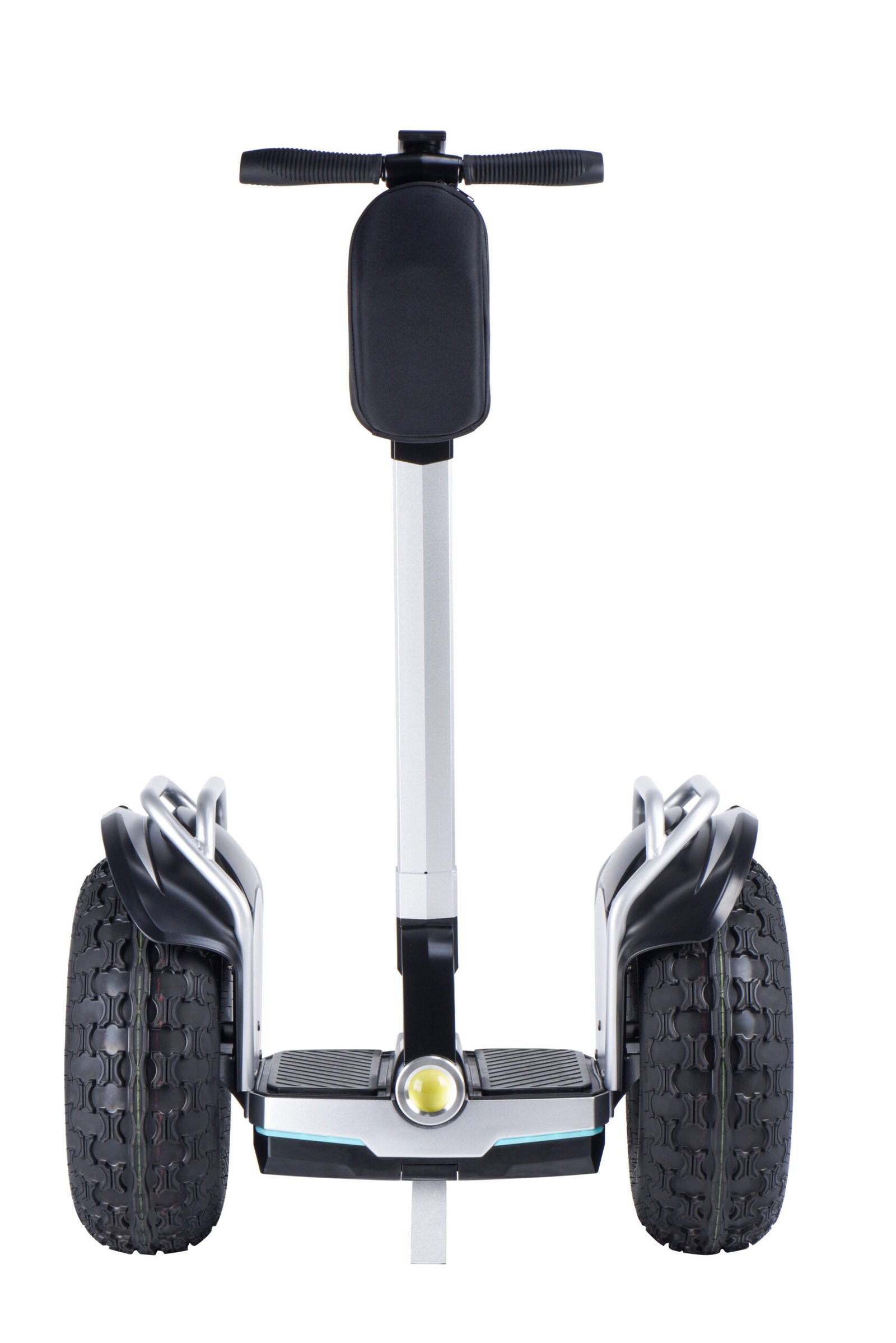
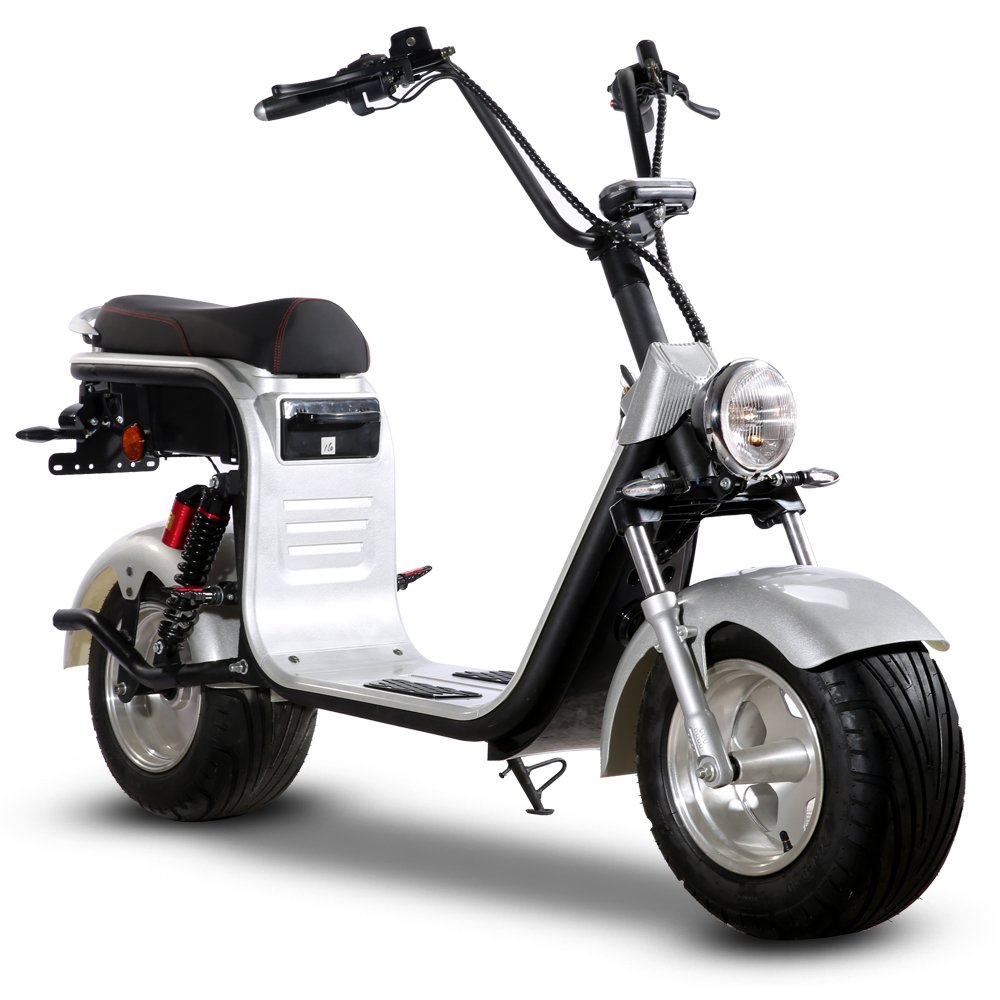
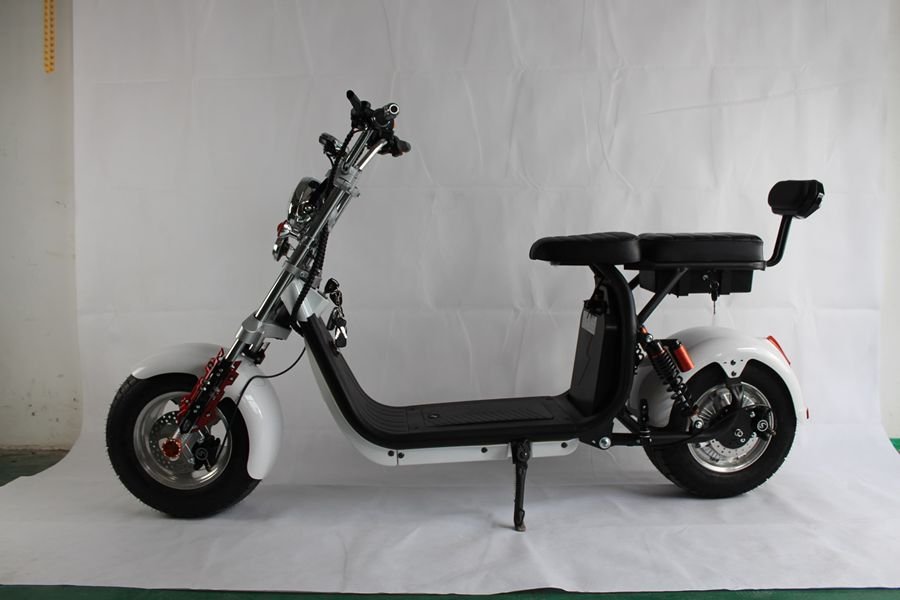
W5 | W5L | |
Main Material | Magnesium Alloy+Aluminum Alloy+ABS +Rubber | Magnesium Alloy+Aluminum Alloy+ABS +Rubber |
Max Speed | 20KM/H | 20KM/H |
Max Mileage | 35-40KM | 75-80KM |
Max Load | 150KG | 150KG |
Min Turning Radius | 0° | 0° |
Max Climbing | ≤35° | ≤35° |
Height of Pedal | 220mm | 220mm |
Max Height of Ground | 125mm | 125mm |
Tire Size | 20inch | 20inch |
Standard Pressure | 15 PSI or 1.0 bar or 105 kpa | 15 PSI or 1.0 bar or 105 kpa |
Long*Width*High | 488*836*1080-1480mm (Adustable) | 488*836*1080-1480mm (Adustable) |
Net Weight | 39.6KG | 41.2KG |
Gross Weight | 50.3KG | 52.3KG |
Packing Size | 91*52*63CM | 91*52*63CM |
Working Tamnosnt | -10-+40℃ | -10-+40℃ |
Storage | -20~+50℃ | -20~+50℃ |
Waterproof | IP56 | IP56 |
Begginner Mode | Yes,set via APP | Yes,set via APP |
Applicable Terrain | Cement Road/Asphalt road/Grass/Gravel Road/Beach | Cement Road/Asphalt road/Grass/Gravel Road/Beach |
Certifications | CE/FCC/RoHS/MSDS/UN38.3/Air transport report/Sea transport report | CE/FCC/RoHS/MSDS/UN38.3/Air transport report/Sea transport report |
Motherboard Parameters | Dual System | Dual System |
Battery | SAMSUNG 18650 Lithium Battery | SAMSUNG 18650 Lithium Battery |
Rated Voltage | 57.6V | 57.6V |
Max Charging Voltage | 67.2V | 67.2V |
Rated Capacity ( Ah) | 7.8Ah | 15.6Ah ( Dual Batteries ) |
Intelligent BMS: | Overvoltage Protection / Undervoltage Protection / Short circuit Protection/ Overheating protection,Automatic sleep / Wake | Overvoltage Protection / Undervoltage Protection / Short circuit Protection/ Overheating protection,Automatic sleep / Wake |
Motor | Brushless DC Motor | Brushless DC Motor |
Rated Power | 1500W*2=3000W | 1500W*2=3000W |
Charger Parameters | Input Voltage | 100~240V |
Output Voltage | 67.2V | 67.2V |
Output Current | 2A | 3A |
Rated Power | 120W | 120W |
Charging Time | 4-5Hour | 6-7 Hour |
Operating Mode | Standby mode/Pulling mode/Speed limit driving mode/Normal driving mode/Remote mode/Lock mode | Standby mode/Pulling mode/Speed limit driving mode/Normal driving mode/Remote mode/Lock mode |
Display Panel | 6.5inch OLED Display/Battery/Speed/Mileage/ Lamp/Lock/Bluetooth | 6.5inch OLED Display/Battery/Speed/Mileage/ Lamp/Lock/Bluetooth |
light | Front lamp/Ambient light/Left/Right turn light /Brake light/Backup Light | Front lamp/Ambient light/Left/Right turn light /Brake light/Backup Light |
Wireless Connections | Bluetooth | Bluetooth |
APP | Yes | Yes |
Voice | Yes | Yes |
USB Charging | Yes (5V/1A) | |
Bluetooth Music | Yes | |
Colour | Black / White / Silver / Space gray | Black / White / Silver / Space gray |
Front Bag | Option | Option |
Knee Pad+Helmet | Option | Option |
Container Qty. | 20GP: 102pcs/40HQ:236pcs | 20GP: 102pcs/40HQ:236pcs |
- mini motorcycle
Electric Bike liideway FT
- mini motorcycle
Electric Commuter Bike liideway L1
- mini motorcycle
Electric Motorbike liideway Q8
- mini motorcycle
Electric scooter Harley liideway RS05
- mini motorcycle
Electric Sportbike liideway X131
- mini motorcycle
Electric vehicle (EV) scooter liideway XT1
- mini motorcycle
Harley-Davidson eco-friendly scooter RS08 (MINI)
- mini motorcycle
Harley-Davidson EV scooter RS07
- ATV scooter
Shop Self-Balancing Scooters
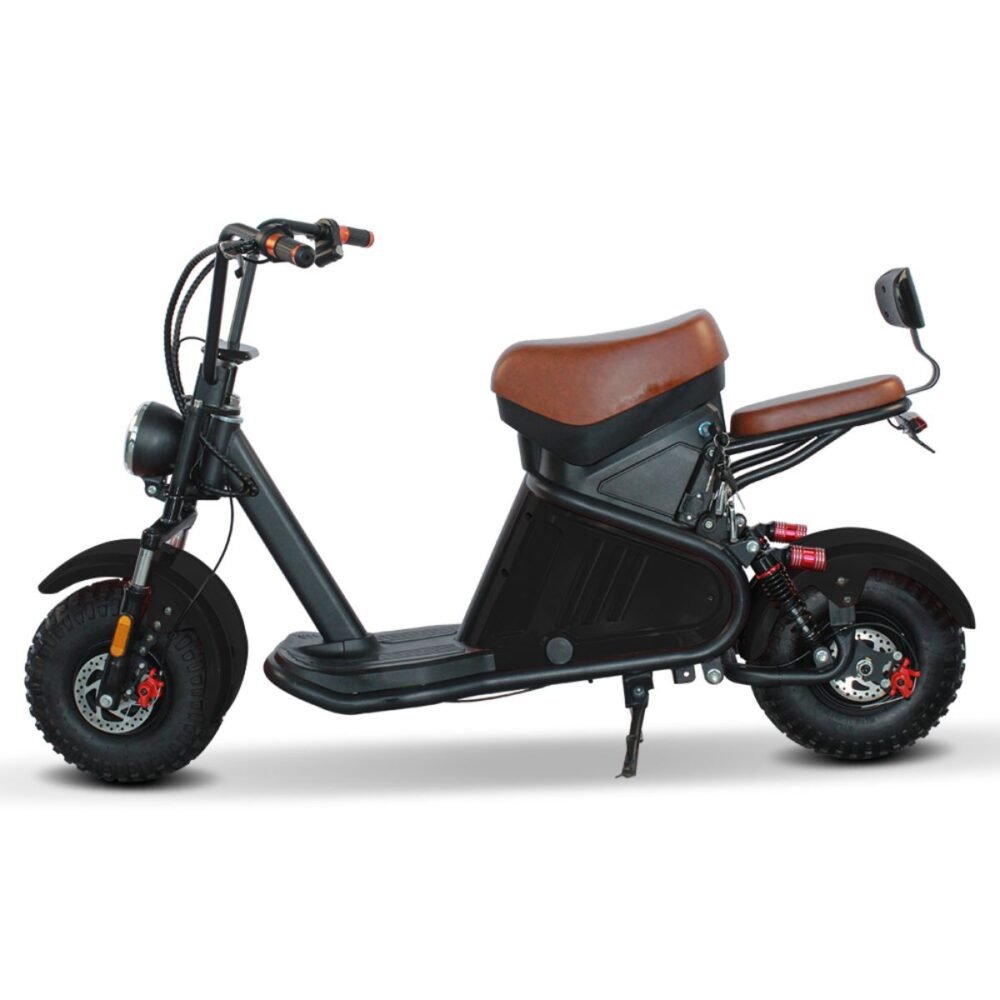

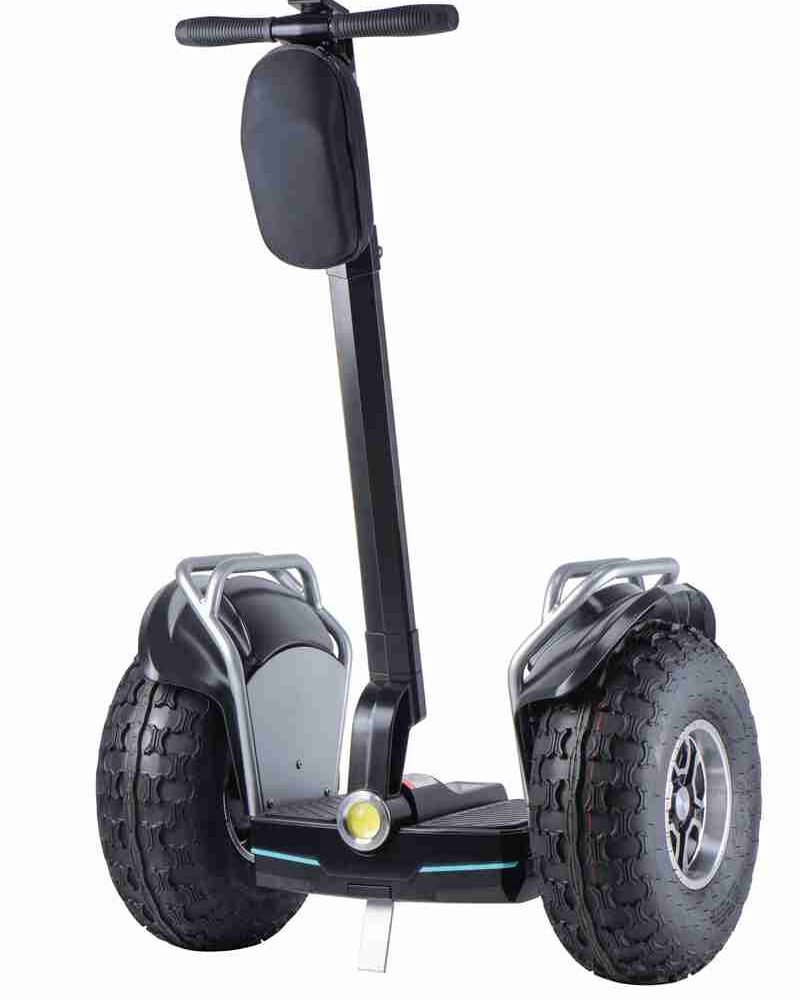

- motorcycle scooter
Electric Motorcycle liideway L5
- motorcycle scooter
Harley electric bike liideway M6
- motorcycle scooter
Harley electric mobility liideway I2
- ATV scooter
Shop Self-Balancing Scooters
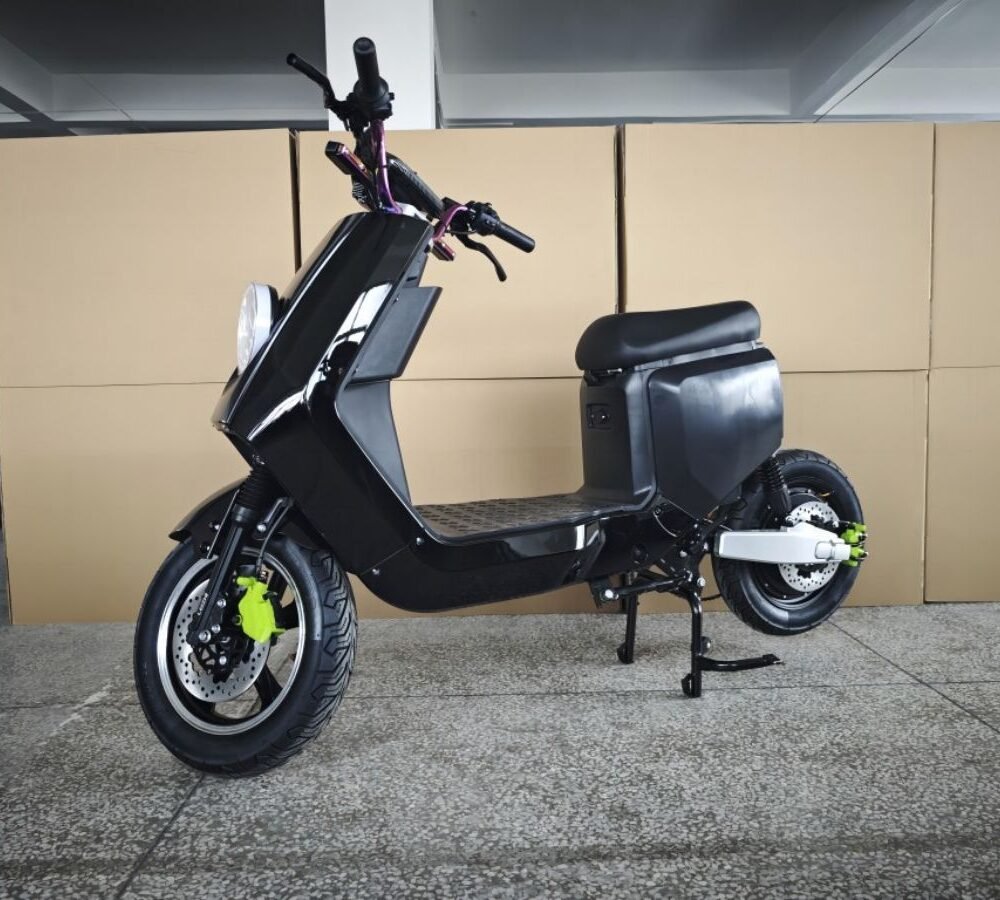
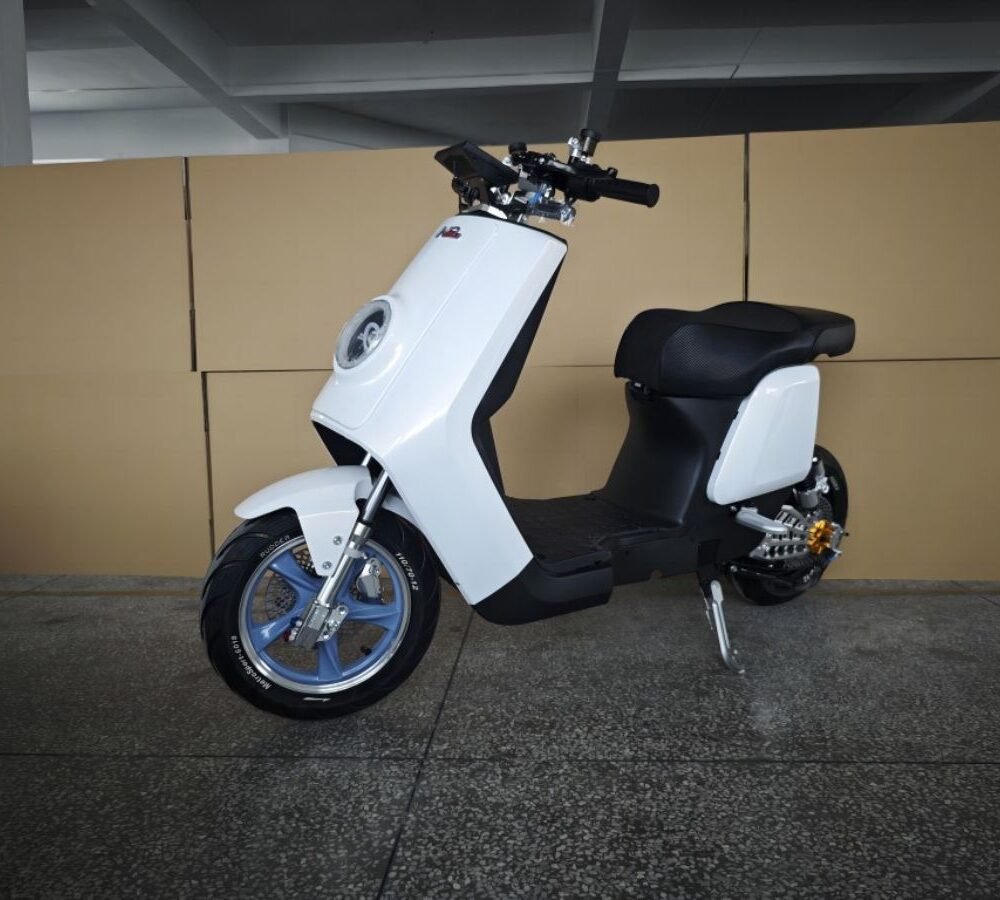
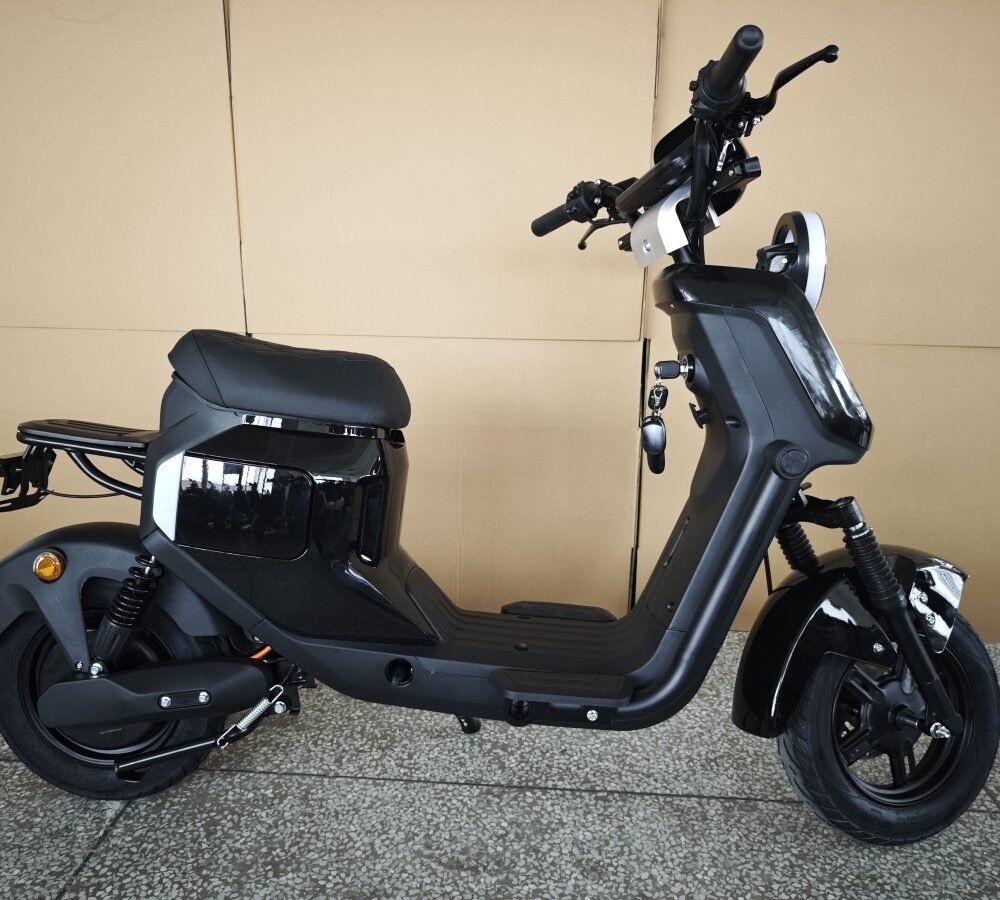
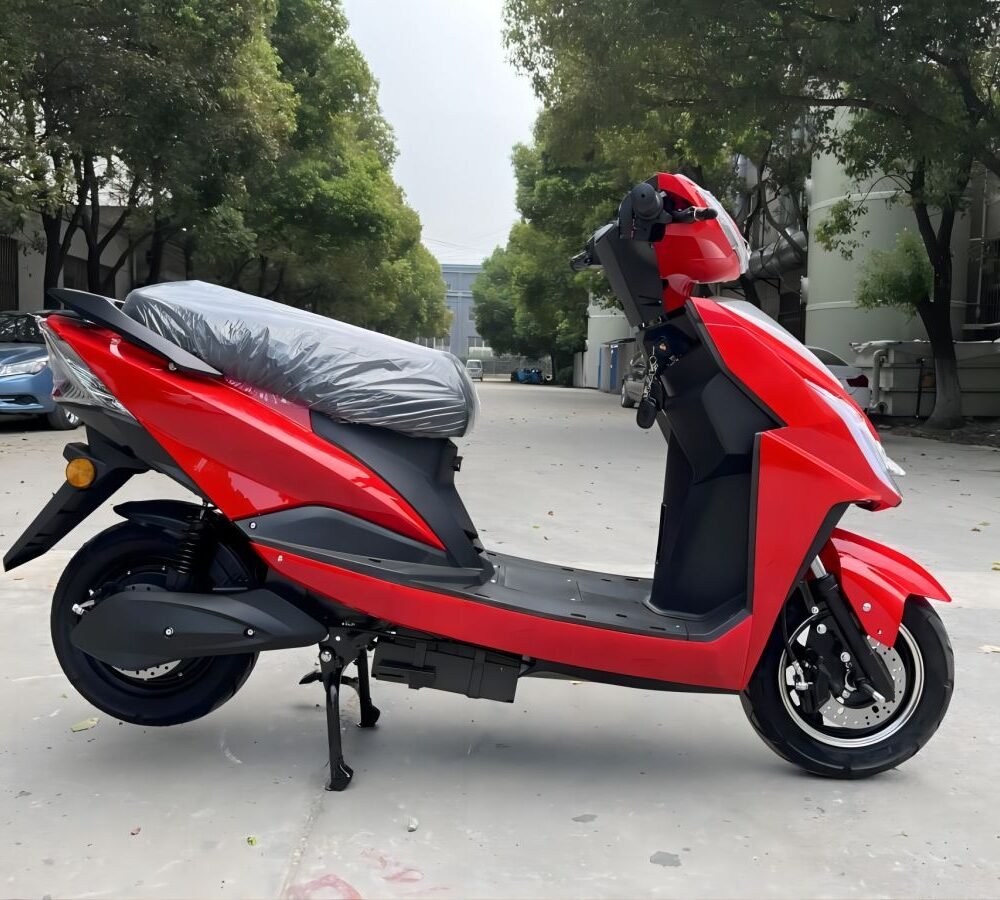
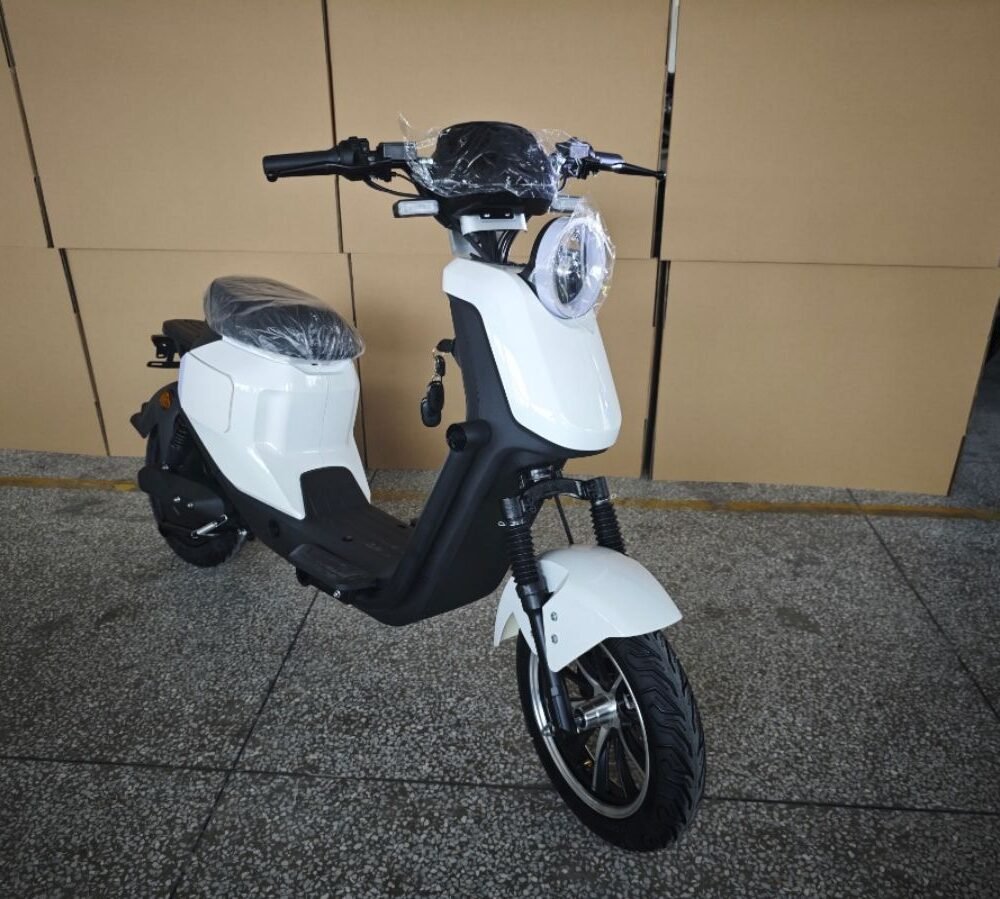
- ATV scooter
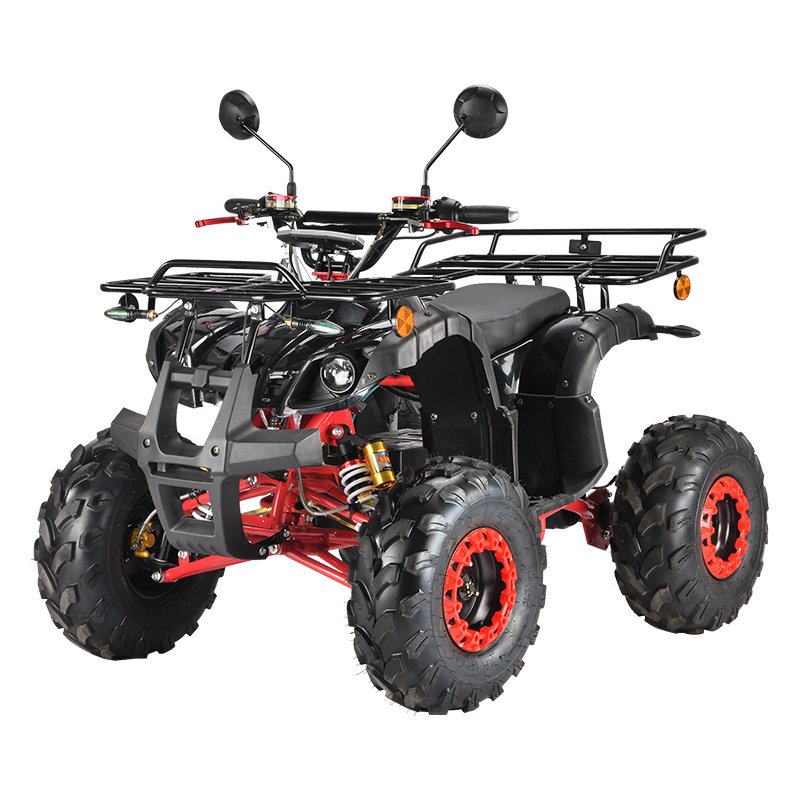
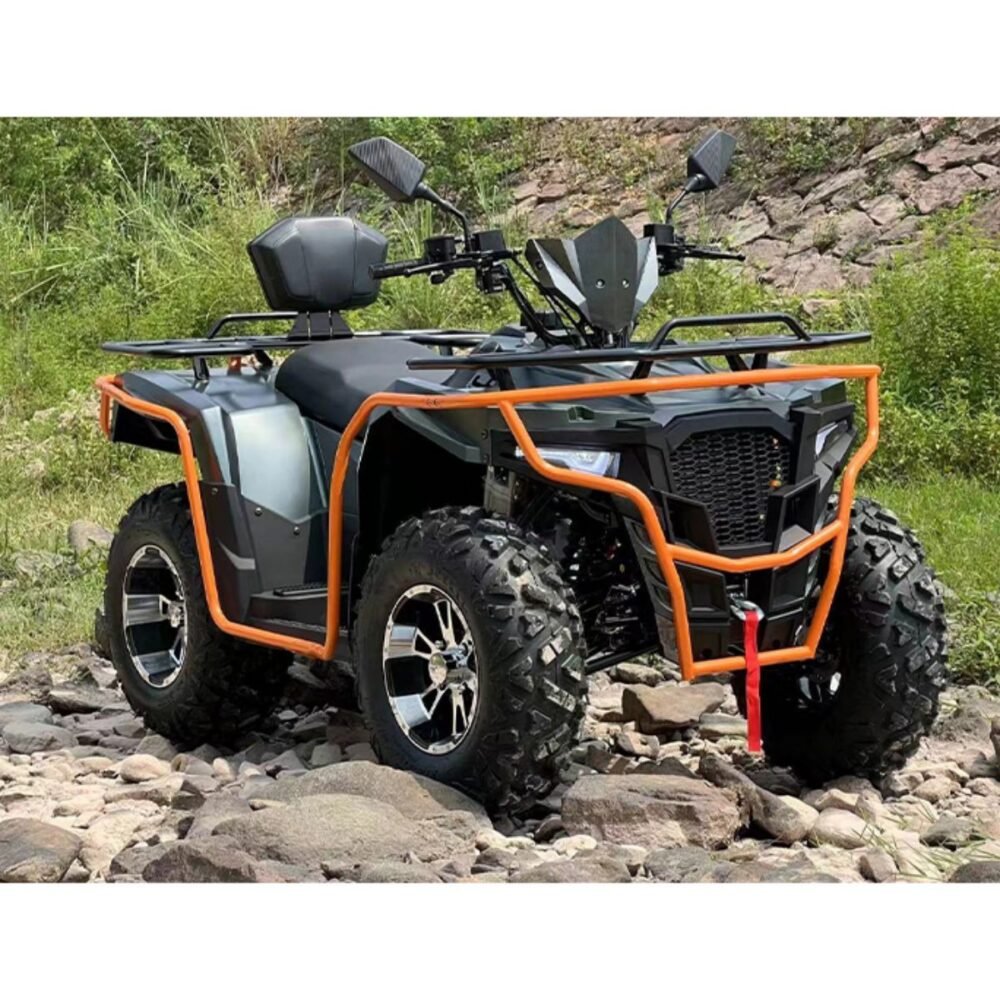
250cc Electric ATV liideway250
- ATV scooter
ATV electric motorcycle liideway HM-1
- ATV scooter
Electric ATV Scooter liideway 260
- ATV scooter
High-Power Electric Scooter liideway270
- ATV scooter
Shop Self-Balancing Scooters
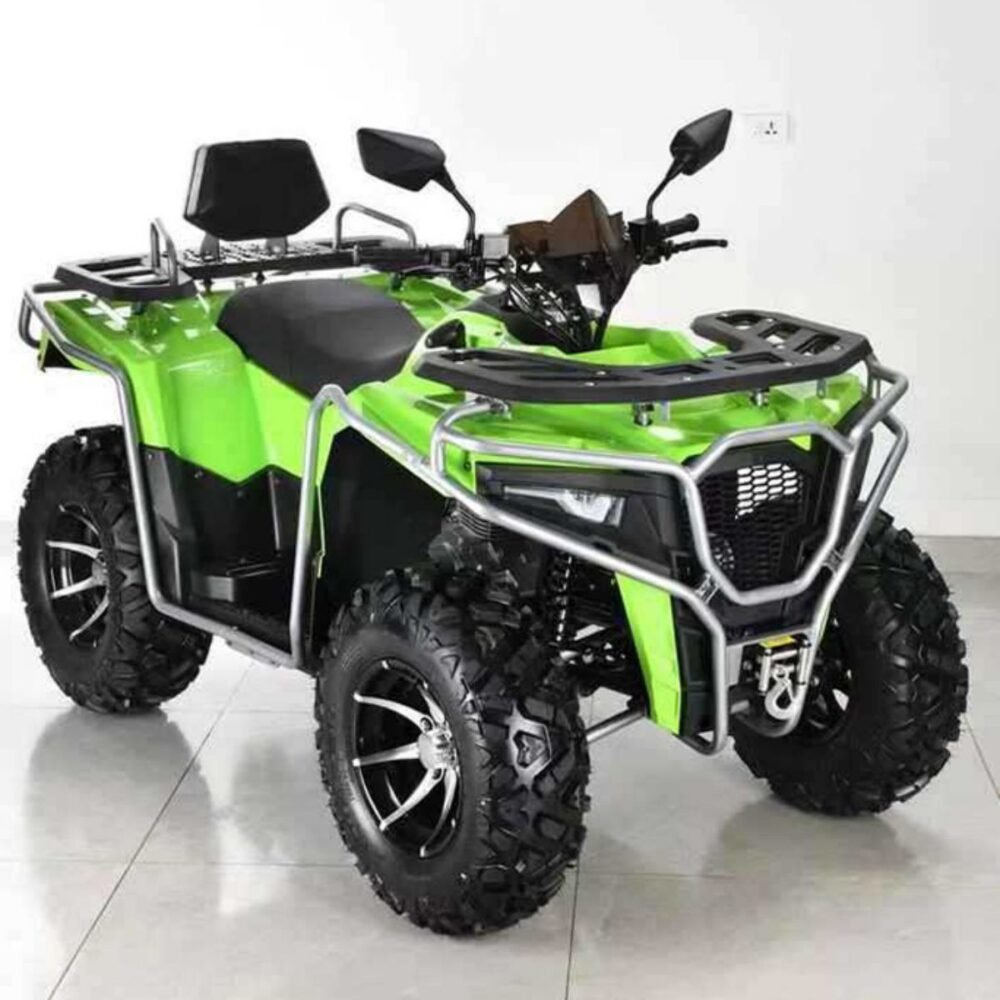

-
EEC scooter
Chopper Scooter for Adults liideway S8
-
EEC scooter
CityCoco bike liidewayL9
-
EEC scooter
CityCoco double motor liideway HM-7
-
EEC scooter
CityCoco for sale liideway M3max
-
EEC scooter
citycoco scooter liideway C1
-
EEC scooter
CityCoco speed liideway HM3
-
EEC scooter
Electric chopper bike for adults liideway RS09
-
EEC scooter
Electric chopper liideway T8 (EEC)
-
EEC scooter
Electric two-wheeler Harley RS06
-
EEC scooter
Electric Vehicle liideway L16
-
EEC scooter
Harley e-scooter liideway M3EEC
-
EEC scooter
Harley electric scooter range liieway HR6EEC
www.liideway.com
www.leadwaycn.com
www.prxel.com
www.elctrs.com
www.mdcem.com
www.elxpros.com
www.fame5.com
www.myqex.com
www.liidewayscooter.com
www.bikesscooter.com
www.scootersbike.com
www.rilla.com.cn
www.imovingon.com
www.goocycle.com
www.igoofast.com
www.scooterelectric.cn
www.bikeelectric.cn
- EEC scooter
Chopper Scooter for Adults liideway S8
- EEC scooter
CityCoco bike liidewayL9
- EEC scooter
CityCoco double motor liideway HM-7
- EEC scooter
CityCoco for sale liideway M3max
- EEC scooter
citycoco scooter liideway C1
- EEC scooter
CityCoco speed liideway HM3
- EEC scooter
Electric chopper bike for adults liideway RS09
- EEC scooter
Electric chopper liideway T8 (EEC)
- EEC scooter
Electric two-wheeler Harley RS06
- EEC scooter
Electric Vehicle liideway L16
- EEC scooter
Harley e-scooter liideway M3EEC
- EEC scooter
Harley electric scooter range liieway HR6EEC
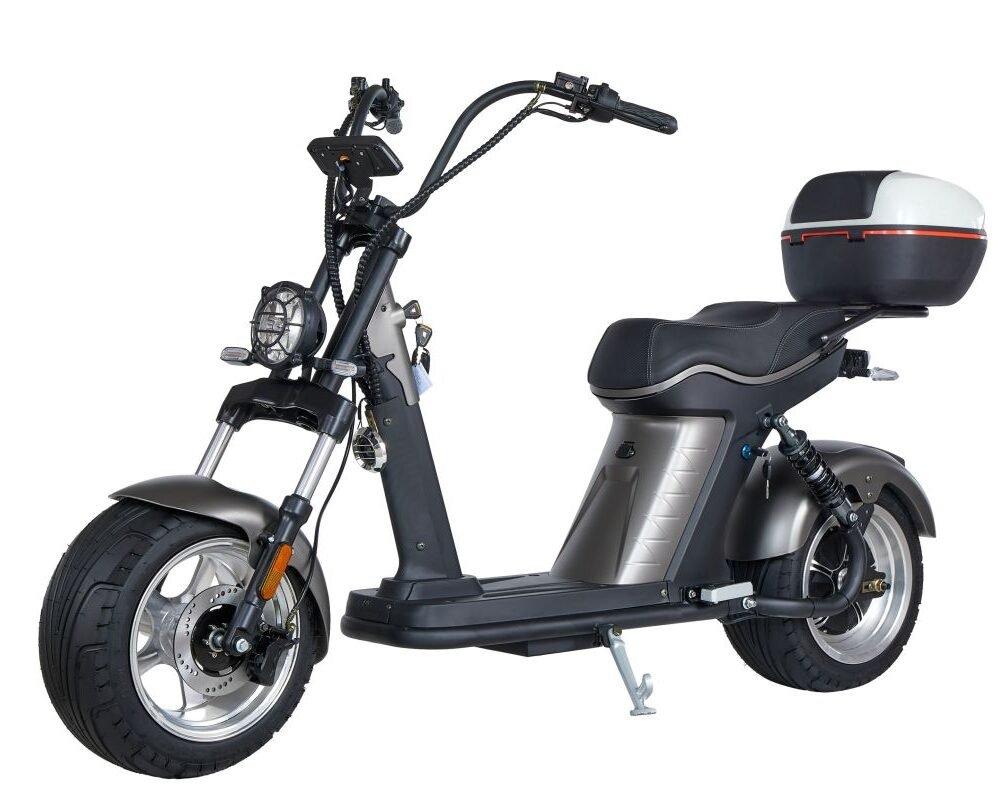
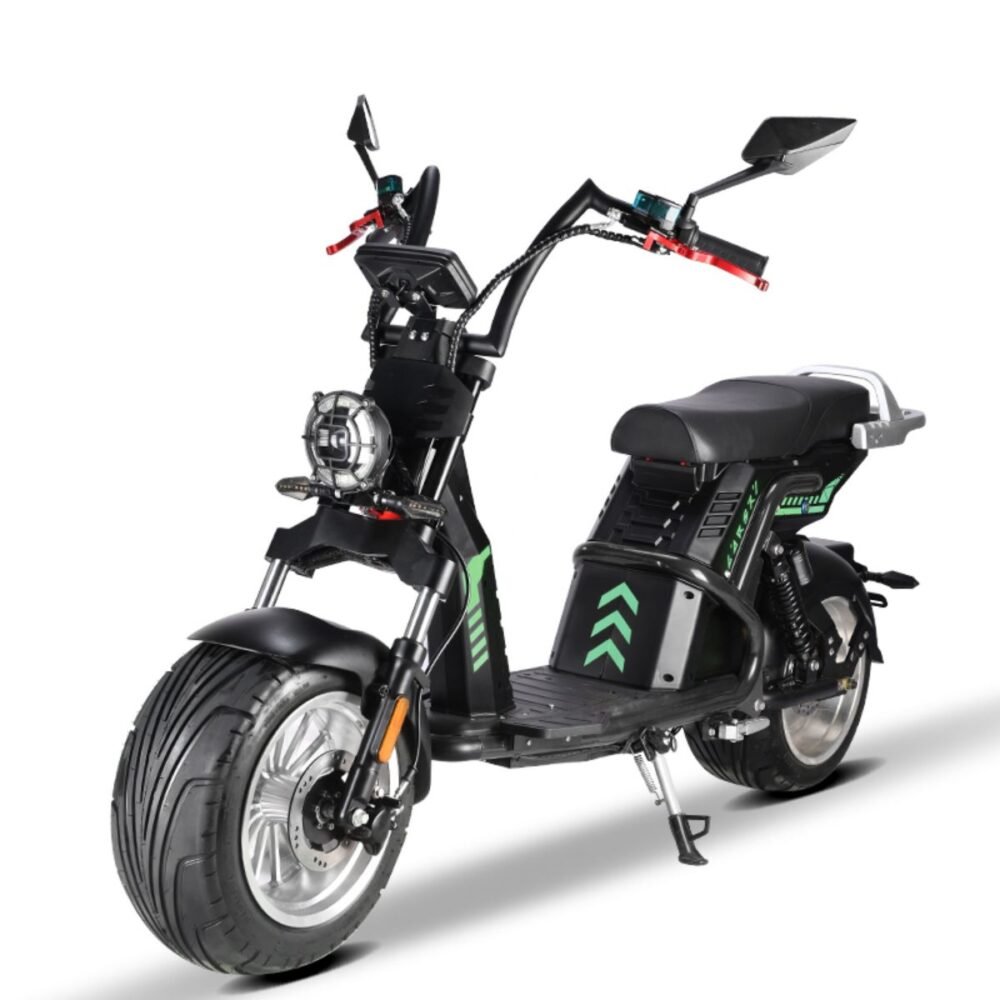

Discover the innovative world of self-balancing electric scooters, an ideal solution for urban commuting and eco-friendly transportation. Learn about their benefits, including sustainability, cost-effectiveness, and convenience. This guide also covers essential tips for choosing the right scooter, safety measures for riders, and maintenance practices to enhance performance and longevity. Embrace a cleaner, more efficient way to navigate your city with self-balancing scooters, designed for diverse users from commuters to recreational riders.
The Future of Mobility: Exploring Self-Balancing Electric Scooters
Introduction to Self-Balancing Electric Scooters
Self-balancing electric scooters have emerged as innovative personal transportation solutions, blurring the lines between traditional scooters and advanced technology. These devices utilize sophisticated mechanisms to ensure stability and ease of use, making them an attractive option for urban commuting. The fundamental principle behind self-balancing scooters is their ability to maintain equilibrium with the help of various technological components.
At the core of these scooters is the integration of gyroscopes and accelerometers. Gyroscopes measure the orientation and angular velocity of the scooter, providing crucial data that the onboard computer uses to detect tilting or imbalance. Accelerometers, on the other hand, ascertain the scooter’s acceleration direction and speed. By continuously analyzing this data, the system adjusts the electric motors in real-time, enabling riders to control speed and direction with subtle shifts in weight. Consequently, these scooters offer a smooth and intuitive riding experience that appeals to a diverse range of users, from commuters to recreational riders.
The rising popularity of self-balancing electric scooters can be attributed to increasing urbanization and the need for efficient, environmentally friendly transportation alternatives. As cities become more congested, and parking spaces more scarce, many individuals are turning to scooters for short-distance travel. These electric scooters not only provide a solution to traffic issues but also contribute to reducing carbon footprints, reflecting a growing societal shift towards sustainability. With advancements in technology, including battery life and design, self-balancing electric scooters are poised to become a vital component of modern urban mobility.
Benefits of Using Self-Balancing Electric Scooters
Self-balancing electric scooters represent a transformative mobility solution that offers various advantages over traditional modes of transportation. One of the most significant benefits is their contribution to environmental sustainability. Unlike gasoline-powered vehicles, these scooters produce zero tailpipe emissions, thereby helping to reduce air pollution and combat climate change. As urban areas face increasing levels of pollution, adopting self-balancing electric scooters presents an eco-friendly alternative for short-distance travel.
Cost-effectiveness is another key advantage associated with using self-balancing electric scooters. The operational costs are considerably lower compared to conventional vehicles. The expenses related to fuel, insurance, and maintenance largely disappear, making scooters an economical choice for daily commuters. Additionally, they require minimal charging—typically just a few cents per full charge, which can cover a substantial range. This affordability enhances their appeal, especially for students and young professionals looking for budget-friendly transport options.
The convenience of self-balancing electric scooters for short-distance travel cannot be overstated. They are lightweight, portable, and easy to maneuver, allowing users to navigate through congested urban streets effortlessly. With the capability to park virtually anywhere, they eliminate the frustration of finding parking spaces, making a significant impact on daily commutes. Furthermore, riding scooters integrates physical activity into a user’s routine, promoting better health through increased movement and improved balance.
Moreover, self-balancing electric scooters play a vital role in addressing urban challenges such as traffic congestion. By offering an alternative to cars, these scooters encourage reduced reliance on traditional vehicles, resulting in fewer cars on the road. This shift not only alleviates traffic woes but also enhances public safety. The adoption of self-balancing electric scooters has the potential to transform communities into cleaner, more efficient environments for all residents.
Choosing the Right Self-Balancing Electric Scooter
When selecting a self-balancing electric scooter, several essential factors must be taken into account to ensure the chosen model fulfills individual needs effectively. One critical aspect is the weight capacity of the scooter; it is vital to choose a scooter that can support the rider’s weight comfortably while maintaining optimal performance. This parameter significantly influences both safety and performance.
Range is another pivotal factor to consider. It refers to the distance the scooter can travel on a single charge, which is increasingly important for urban commuting and recreational use alike. Riders should evaluate their daily travel distances and select a scooter with a sufficient range to avoid the inconvenience of needing frequent recharges.
Speed may also play a significant role in the selection process. Some models are designed for maximum speed, while others offer a more moderate pace suitable for leisurely rides or commuting in crowded areas. Understanding the local regulations regarding speed limits for electric scooters is essential to avoid legal issues.
Battery life directly impacts the scooter’s usability. A robust battery ensures that the scooter can reliably cover the intended distance, particularly for longer commutes. Additionally, the sturdiness of the design should not be overlooked. A well-constructed scooter enhances durability and contributes to a safer riding experience. Opting for models made from high-quality materials can also assure longevity.
Additional features can further enhance the riding experience. Consider options such as app connectivity, which may provide insights on battery life, speed, and even routes. Built-in lights improve visibility during night rides, while advanced braking systems ensure safety. Furthermore, it is advisable to test various models and read customer reviews to gather insights on performance and user satisfaction, allowing for a well-informed decision.
Safety Tips and Maintenance for Self-Balancing Electric Scooters
Riding self-balancing electric scooters can be an enjoyable experience, but it is essential to prioritize safety to ensure a secure ride. One of the most critical safety measures is the consistent use of a high-quality helmet. A helmet protects the rider’s head during potential falls or collisions, significantly reducing the risk of serious injury. Additionally, riders should familiarize themselves with local traffic laws, as regulations may vary by region. This knowledge ensures compliance with relevant guidelines and promotes safe interaction with other road users.
Incorporating safe riding habits can also minimize risks. Riders should maintain a safe distance from pedestrians and vehicles, avoid sudden movements, and be mindful of their surroundings. Practicing smooth acceleration and deceleration will help maintain balance and control, contributing to a safer riding experience. Furthermore, it is advisable to ride at a speed appropriate for the environment and be particularly cautious when navigating crowded areas or intersections.
Regular maintenance is another critical aspect of scooter ownership that directly influences safety and performance. Riders should conduct routine checks of their scooters, focusing on the tires, brakes, and lights. Inspecting tire pressure, tread depth, and overall tire condition helps ensure optimal grip and stability while riding. The brake system should also be examined for responsiveness to prevent accidents.
Battery care is crucial for electric scooters. Riders should regularly check battery levels and ensure proper charging practices to prolong battery life. Additionally, software updates provided by manufacturers should not be overlooked, as they often include performance enhancements and safety features. By combining proper riding practices with diligent maintenance routines, users can significantly extend the lifespan of their self-balancing electric scooters while ensuring a safe and enjoyable riding experience. In conclusion, safety measures and consistent maintenance are fundamental for any scooter rider seeking to maximize their enjoyment and minimize risks associated with self-balancing electric scooters.
What is a self-balancing scooter?
Explore self-balancing scooters, also known as hoverboards, which are innovative electric transportation devices designed for effortless balance and ease of use. Learn how they function using advanced technology, their numerous benefits for commuting and recreation, as well as essential safety tips for new riders. With features like portability, eco-friendliness, and improved ergonomics, self-balancing scooters are transforming urban mobility. Discover how these devices can enhance your daily routine while promoting a sustainable lifestyle.
Understanding Self-Balancing Scooters: A Comprehensive Guide
Introduction to Self-Balancing Scooters
Self-balancing scooters, commonly referred to as hoverboards, are electric personal transportation devices designed to maintain balance autonomously. These innovative scooters employ advanced technology, primarily utilizing gyroscopic sensors and sophisticated algorithms to enable users to ride without manual balancing. When a rider steps on the platform, the sensors detect shifts in weight and send signals to the motors, which then adjust accordingly to maintain an upright position. This responsive mechanism allows users to control their movements by leaning forward, backward, or to the sides, creating a seamless riding experience.
In recent years, self-balancing scooters have surged in popularity, becoming a favored mode of transport for many individuals. Several factors contribute to this growing trend, notably their convenience and portability. Being lightweight and compact, these devices can easily be carried or stored, making them suitable for urban commuting and recreational use alike. Additionally, they offer an eco-friendly alternative to traditional gas-powered vehicles, appealing to environmentally conscious consumers seeking sustainable transportation options.
The allure of self-balancing scooters extends beyond their functional benefits; they have also become a cultural phenomenon, often seen in parks, campuses, and urban streets. As more individuals embrace this modern way of transport, various manufacturers have emerged, enhancing the diversity of models available. Many scooters now include features such as LED lights, Bluetooth speakers, and improved battery life, further exemplifying the advancements in this technology. Overall, self-balancing scooters represent a fusion of innovation and practicality, meeting the needs of today’s fast-paced society while providing a fun and engaging way to navigate one’s surroundings.
How Do Self-Balancing Scooters Work?
Self-balancing scooters, commonly referred to as hoverboards, utilize advanced technology to maintain balance while providing riders with a unique mode of transport. At the heart of these scooters are several key components that work in unison to ensure smooth operation and stability. The primary systems involved include motors, sensors, and battery systems, each playing a crucial role.
Central to the functionality of a self-balancing scooter are the gyroscopic sensors and accelerometers. These devices detect the angle and orientation of the scooter in real-time. When a rider shifts their body weight forward, the sensors recognize this movement and prompt the motors located in the wheels to rotate in the corresponding direction. The rapid feedback loop created between the rider’s movements and the sensors allows for precise adjustments, enabling the scooter to keep the rider balanced. Furthermore, when a rider leans back, the sensors respond accordingly to slow down or reverse the motion.
Another critical element is the scooter’s battery system, which powers the motors and electronic components. Typically, lithium-ion batteries are used due to their efficiency and lightweight properties. The energy from the battery must be managed effectively to ensure a constant and reliable performance. This entails a sophisticated battery management system that protects against overcharging and overheating, extending the lifespan of the scooter.
To illustrate the balance technology in action, manufacturers often provide animations or demonstrations showcasing how shifts in weight affect scooter movement. Such visual aids can help potential riders understand the mechanics before they experience it firsthand. In order to master riding a self-balancing scooter, recognizing the importance of body positioning and weight distribution is vital. With practice, riders can seamlessly navigate their scooters, mastering the art of balance while enjoying a fun and eco-friendly mode of transportation.
Benefits of Riding a Self-Balancing Scooter
Self-balancing scooters have gained significant popularity in recent years, largely due to their numerous advantages. One of the most notable benefits is their ease of use. Designed with user-friendly technology, these scooters allow individuals to navigate them effortlessly with minimal instruction. This accessibility makes them suitable for various age groups, from young children to adults, catering to a broad spectrum of riders. The intuitive nature of self-balancing scooters means that users can quickly become proficient, making them a practical choice for both leisurely rides and practical commuting.
In terms of mobility, self-balancing scooters provide an excellent solution for enhancing personal transport. With their compact size, they reduce commuting times, allowing riders to maneuver through congested areas efficiently. This ability to bypass traffic congestion not only saves time but also contributes to a more enjoyable commuting experience. Furthermore, riders can cover greater distances while exerting less energy compared to walking or cycling, making these scooters an ideal option for daily commutes or errands.
The environmental advantages of self-balancing scooters cannot be overlooked. As these scooters are typically powered by electricity, they produce zero emissions during operation. Consequently, their use can contribute to a reduced carbon footprint when contrasted with traditional gasoline-powered vehicles. This shift towards eco-friendly transport options aligns with growing global efforts to promote sustainable practices and decrease urban pollution levels.
Additionally, riding a self-balancing scooter offers health benefits, as casual riding can enhance balance and coordination skills. Engaging core muscles to maintain posture while riding can also provide a mild workout, promoting overall fitness without the strenuous effort often associated with traditional exercise. These factors combined illustrate that self-balancing scooters present a multifaceted approach to modern transport, promoting convenience, environmental friendliness, and health in one cohesive solution.
Safety Considerations and Tips for Riding
As self-balancing scooters increase in popularity, it becomes imperative for riders to prioritize safety while enjoying this innovative mode of transport. First and foremost, wearing appropriate protective gear is essential. A helmet should be the first item on any rider’s list, as it serves to protect against head injuries in case of falls. Additional protective gear, such as knee pads, elbow pads, and wrist guards, can further minimize the risk of injury. Ensuring that these items fit properly and are of high quality enhances their effectiveness.
Understanding local laws surrounding self-balancing scooters is equally vital. Regulations may vary significantly from one jurisdiction to another; some areas may require riders to stay on sidewalks while others may have designated pathways. Familiarizing oneself with these laws not only enhances personal safety but also respects the community’s norms, promoting responsible scooter usage.
Riders should always maintain awareness of their surroundings. This includes consistently scanning for pedestrians, vehicles, and unexpected obstacles. Keeping a safe distance from other riders or pedestrians is advisable, as unexpected stops can lead to collisions. Additionally, avoiding crowded areas, busy roads, or uneven terrain is crucial for beginners who might still be mastering their balance.
For those new to self-balancing scooters, selecting suitable riding environments is paramount. Flat and smooth surfaces are ideal for practice sessions, as they allow for easier control and greater comfort when starting. Once confidence is built, riders can gradually explore varied terrains.segway scooter
Lastly, newcomers may encounter common challenges such as difficulty in starting, stopping, or balancing. If experiencing issues, taking a break and practicing basic maneuvers can significantly improve skills. By following these safety measures and tips, riders can ensure a more enjoyable and risk-free experience on their self-balancing scooters.


Reviews
There are no reviews yet.