📧 Email: scooter1@leadwaycn.com 📞 Whatsapp/Tel: +8613480102329
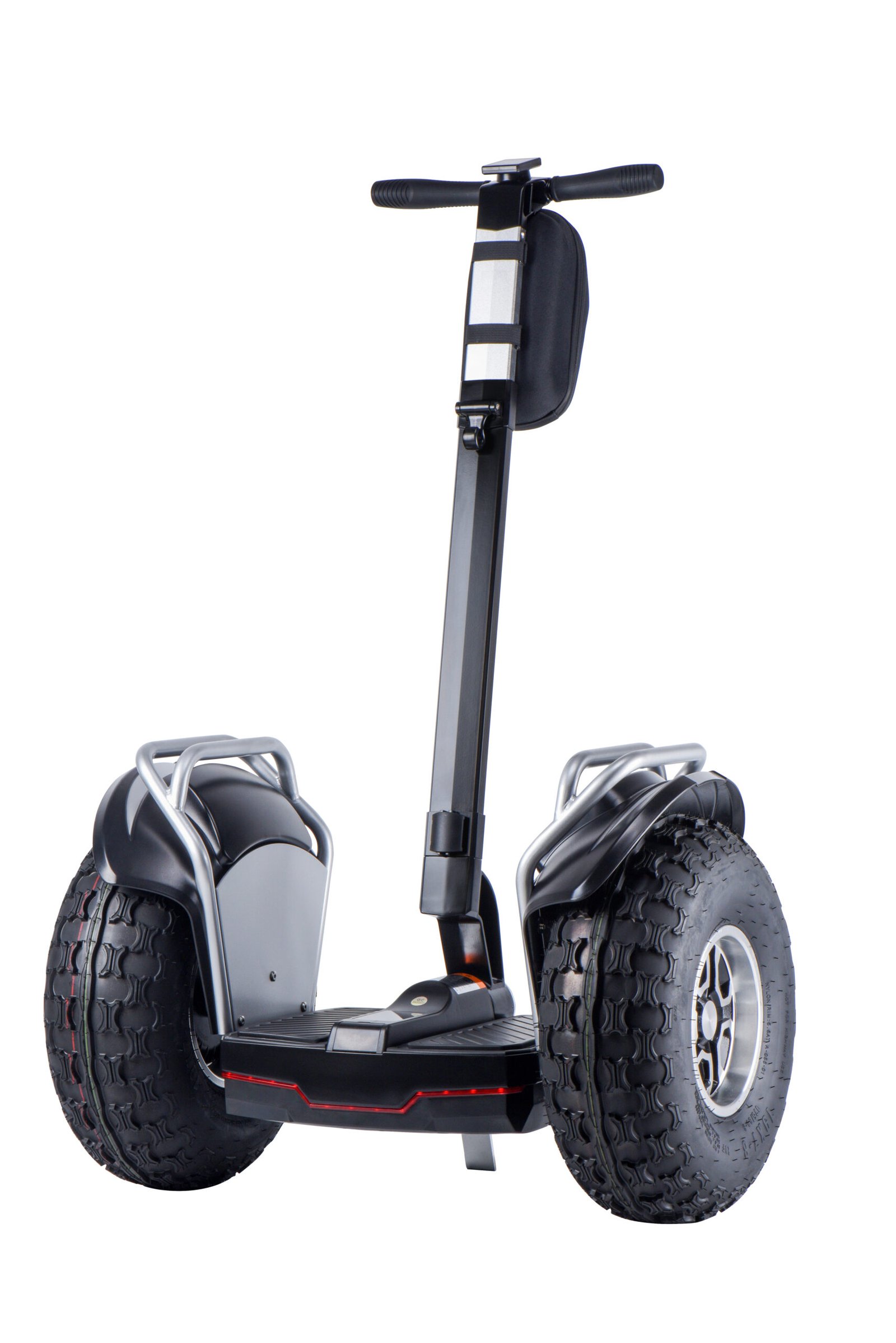
W5 | W5L | |
Main Material | Magnesium Alloy+Aluminum Alloy+ABS +Rubber | Magnesium Alloy+Aluminum Alloy+ABS +Rubber |
Max Speed | 20KM/H | 20KM/H |
Max Mileage | 35-40KM | 75-80KM |
Max Load | 150KG | 150KG |
Min Turning Radius | 0° | 0° |
Max Climbing | ≤35° | ≤35° |
Height of Pedal | 220mm | 220mm |
Max Height of Ground | 125mm | 125mm |
Tire Size | 20inch | 20inch |
Standard Pressure | 15 PSI or 1.0 bar or 105 kpa | 15 PSI or 1.0 bar or 105 kpa |
Long*Width*High | 488*836*1080-1480mm (Adustable) | 488*836*1080-1480mm (Adustable) |
Net Weight | 39.6KG | 41.2KG |
Gross Weight | 50.3KG | 52.3KG |
Packing Size | 91*52*63CM | 91*52*63CM |
Working Tamnosnt | -10-+40℃ | -10-+40℃ |
Storage | -20~+50℃ | -20~+50℃ |
Waterproof | IP56 | IP56 |
Begginner Mode | Yes,set via APP | Yes,set via APP |
Applicable Terrain | Cement Road/Asphalt road/Grass/Gravel Road/Beach | Cement Road/Asphalt road/Grass/Gravel Road/Beach |
Certifications | CE/FCC/RoHS/MSDS/UN38.3/Air transport report/Sea transport report | CE/FCC/RoHS/MSDS/UN38.3/Air transport report/Sea transport report |
Motherboard Parameters | Dual System | Dual System |
Battery | SAMSUNG 18650 Lithium Battery | SAMSUNG 18650 Lithium Battery |
Rated Voltage | 57.6V | 57.6V |
Max Charging Voltage | 67.2V | 67.2V |
Rated Capacity ( Ah) | 7.8Ah | 15.6Ah ( Dual Batteries ) |
Intelligent BMS: | Overvoltage Protection / Undervoltage Protection / Short circuit Protection/ Overheating protection,Automatic sleep / Wake | Overvoltage Protection / Undervoltage Protection / Short circuit Protection/ Overheating protection,Automatic sleep / Wake |
Motor | Brushless DC Motor | Brushless DC Motor |
Rated Power | 1500W*2=3000W | 1500W*2=3000W |
Charger Parameters | Input Voltage | 100~240V |
Output Voltage | 67.2V | 67.2V |
Output Current | 2A | 3A |
Rated Power | 120W | 120W |
Charging Time | 4-5Hour | 6-7 Hour |
Operating Mode | Standby mode/Pulling mode/Speed limit driving mode/Normal driving mode/Remote mode/Lock mode | Standby mode/Pulling mode/Speed limit driving mode/Normal driving mode/Remote mode/Lock mode |
Display Panel | 6.5inch OLED Display/Battery/Speed/Mileage/ Lamp/Lock/Bluetooth | 6.5inch OLED Display/Battery/Speed/Mileage/ Lamp/Lock/Bluetooth |
light | Front lamp/Ambient light/Left/Right turn light /Brake light/Backup Light | Front lamp/Ambient light/Left/Right turn light /Brake light/Backup Light |
Wireless Connections | Bluetooth | Bluetooth |
APP | Yes | Yes |
Voice | Yes | Yes |
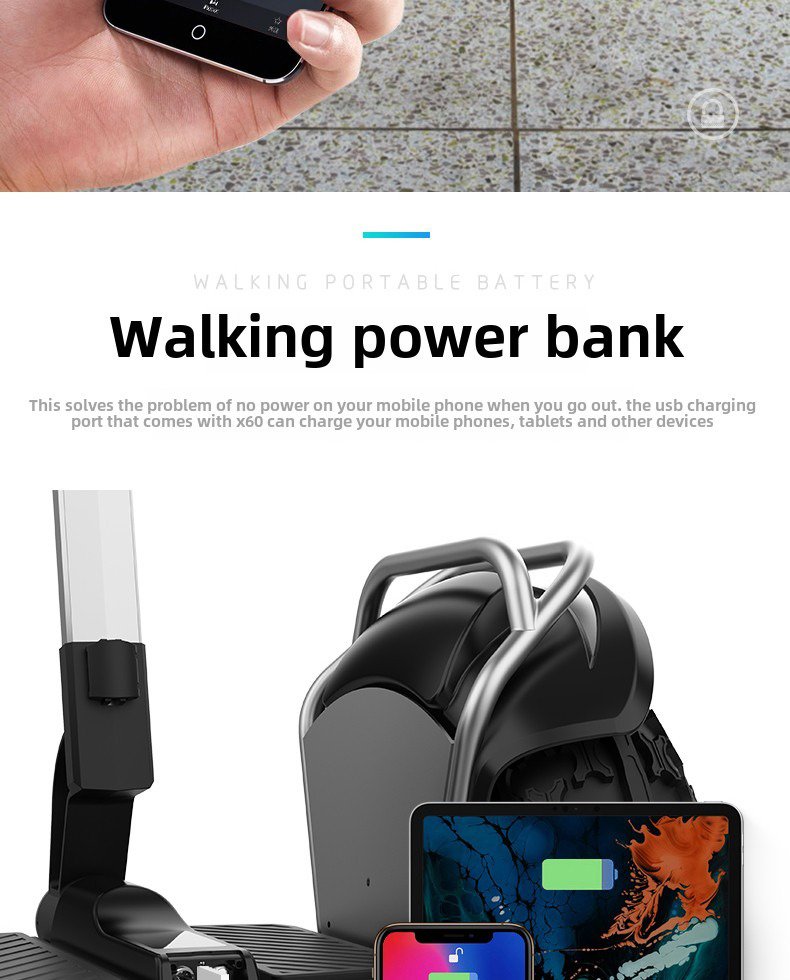
USB Charging | Yes (5V/1A) | |
Bluetooth Music | Yes | |
Colour | Black / White / Silver / Space gray | Black / White / Silver / Space gray |
Front Bag | Option | Option |
Knee Pad+Helmet | Option | Option |
Container Qty. | 20GP: 102pcs/40HQ:236pcs | 20GP: 102pcs/40HQ:236pcs |
Electric Bike liideway FT
Electric Commuter Bike liideway L1
Electric Motorbike liideway Q8
Electric scooter Harley liideway RS05
Electric Sportbike liideway X131
Electric vehicle (EV) scooter liideway XT1
Harley-Davidson eco-friendly scooter RS08 (MINI)
Harley-Davidson EV scooter RS07
Shop Self-Balancing Scooters
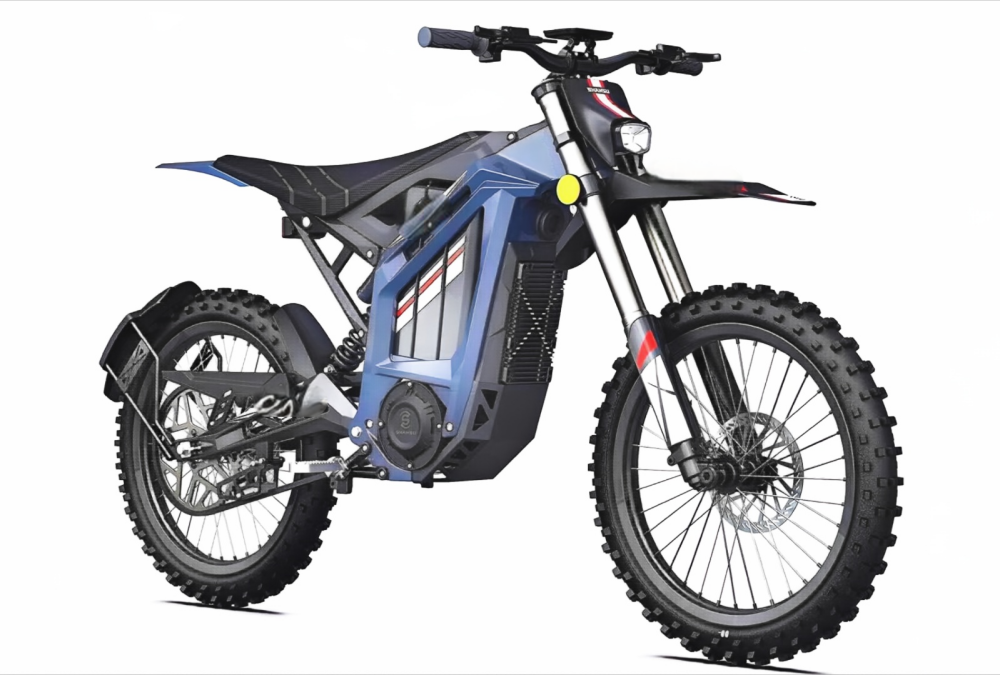
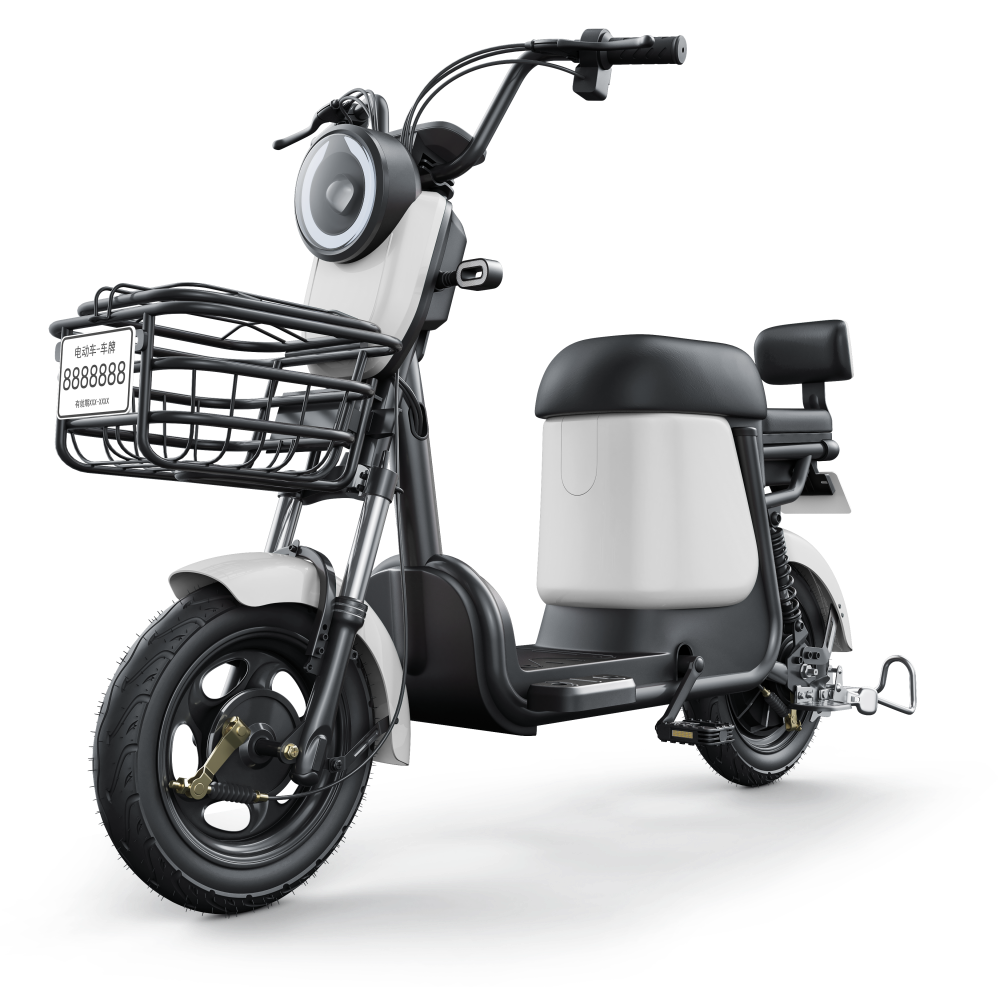
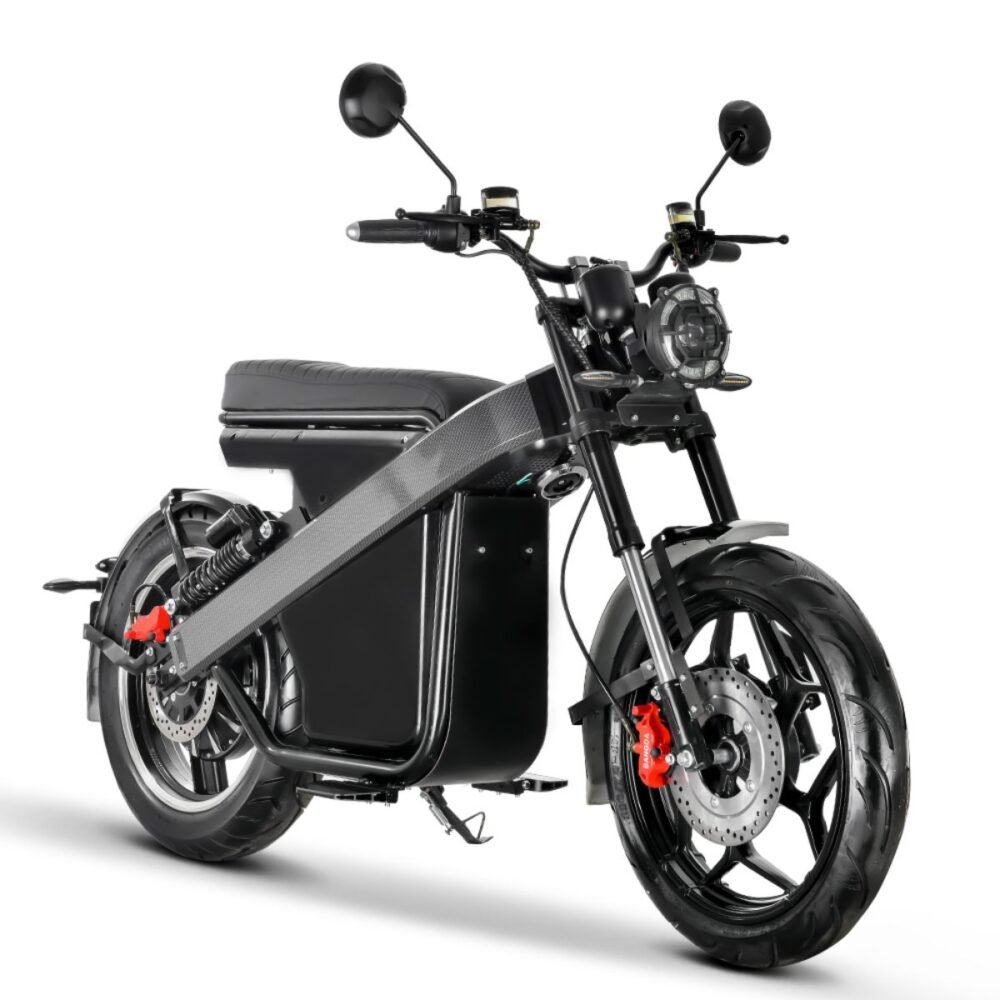
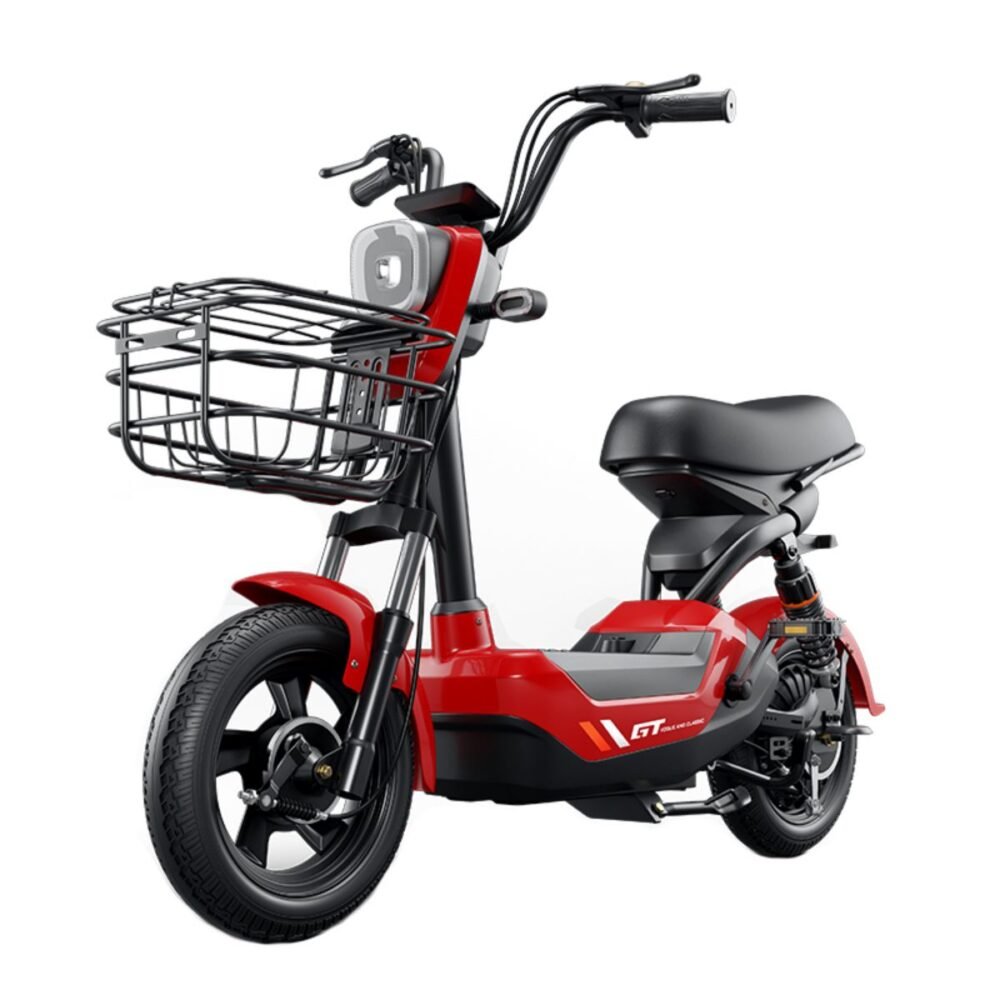


- motorcycle scooter
Electric Motorcycle liideway L5
- motorcycle scooter
Harley electric bike liideway M6
- motorcycle scooter
Harley electric mobility liideway I2
- ATV scooter
Shop Self-Balancing Scooters
- ATV scooter
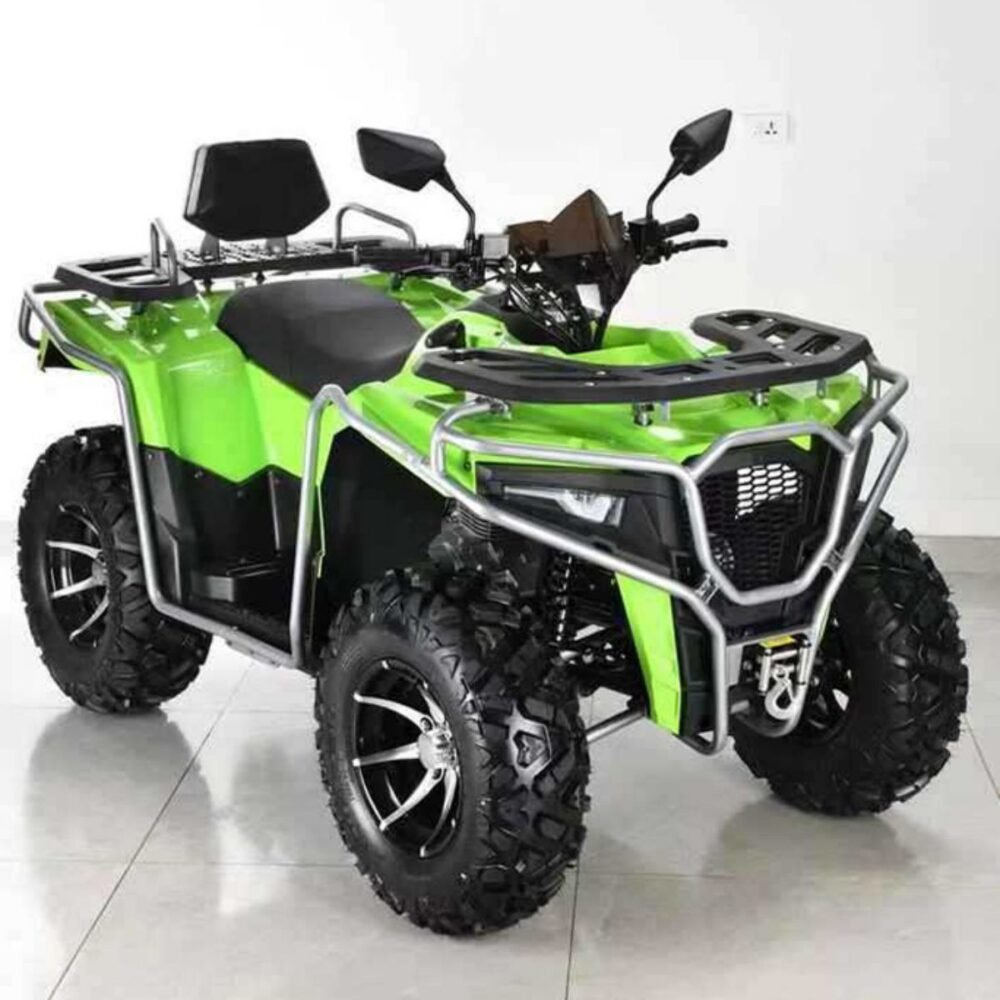
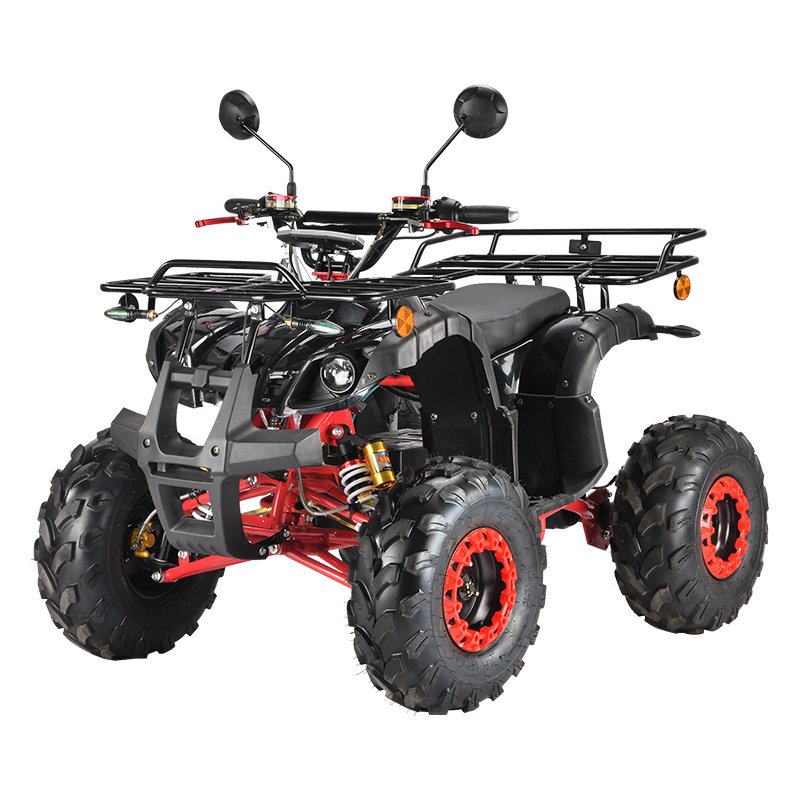
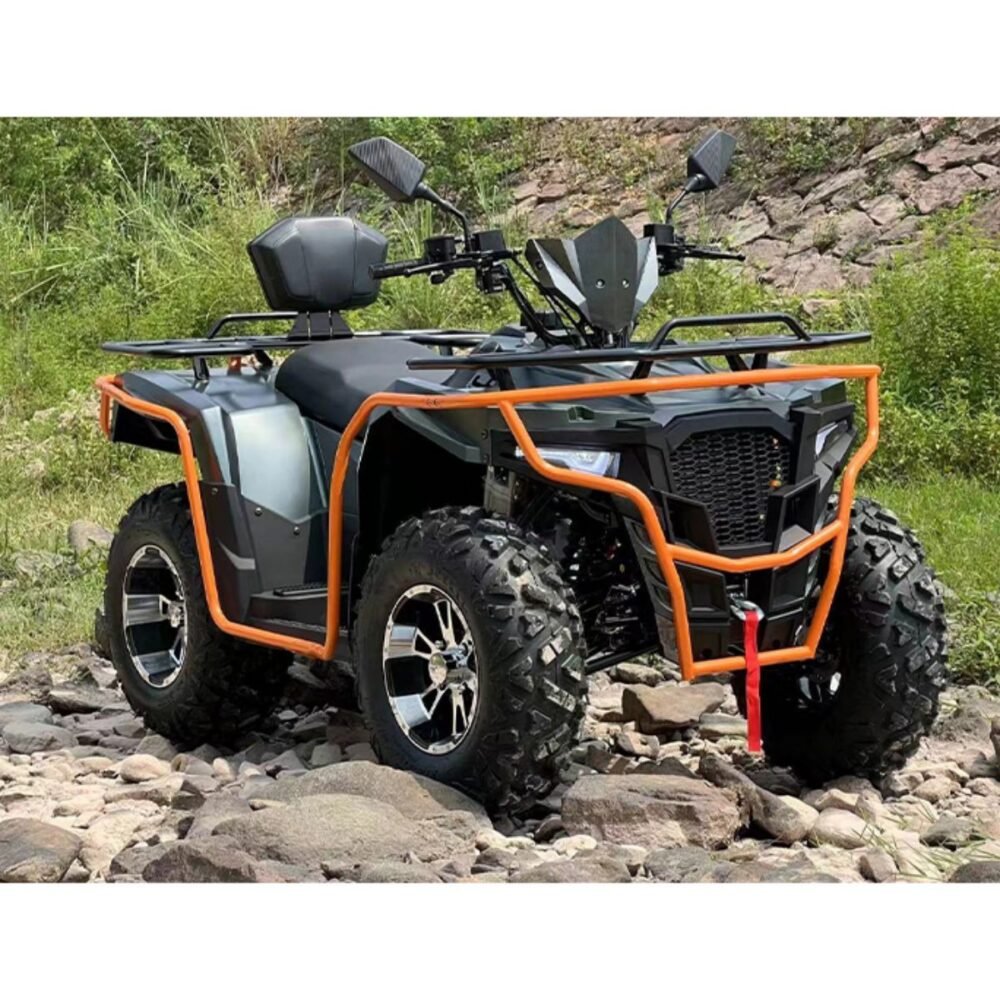
250cc Electric ATV liideway250
- ATV scooter
ATV electric motorcycle liideway HM-1
- ATV scooter
Electric ATV Scooter liideway 260
- ATV scooter
High-Power Electric Scooter liideway270
- ATV scooter
Shop Self-Balancing Scooters

-
EEC scooter
Chopper Scooter for Adults liideway S8
-
EEC scooter
CityCoco bike liidewayL9
-
EEC scooter
CityCoco double motor liideway HM-7
-
EEC scooter
CityCoco for sale liideway M3max
-
EEC scooter
citycoco scooter liideway C1
-
EEC scooter
CityCoco speed liideway HM3
-
EEC scooter
Electric chopper bike for adults liideway RS09
-
EEC scooter
Electric chopper liideway T8 (EEC)
-
EEC scooter
Electric two-wheeler Harley RS06
-
EEC scooter
Electric Vehicle liideway L16
-
EEC scooter
Harley e-scooter liideway M3EEC
-
EEC scooter
Harley electric scooter range liieway HR6EEC
- EEC scooter
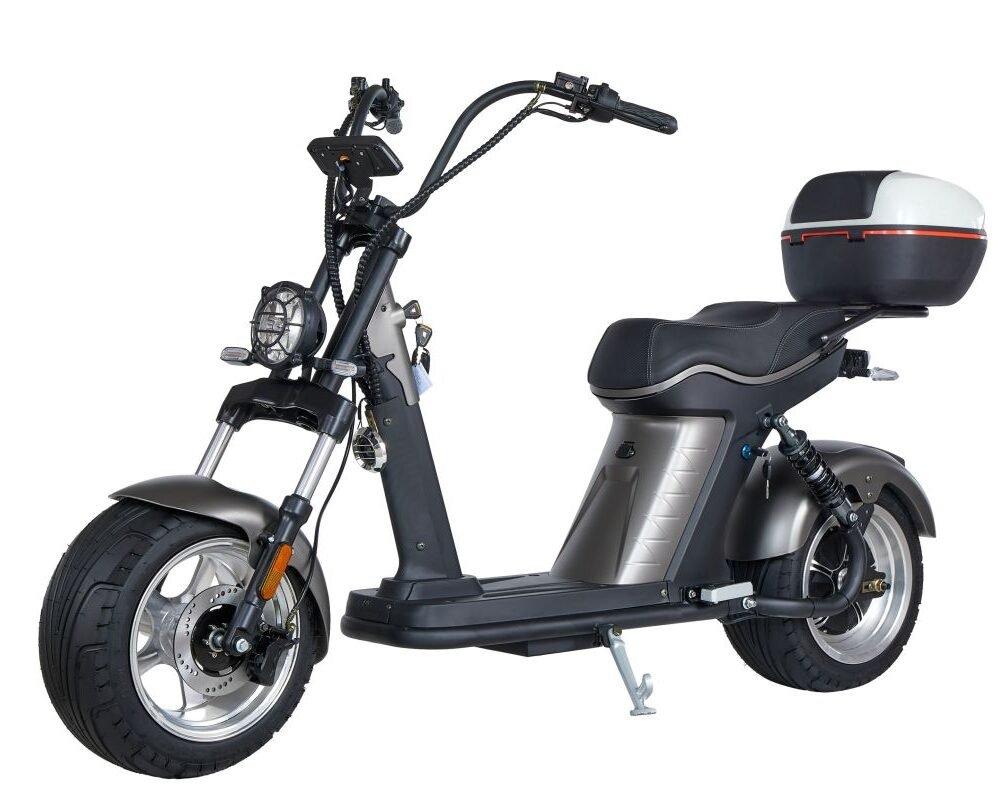
Chopper Scooter for Adults liideway S8
- EEC scooter
CityCoco bike liidewayL9
- EEC scooter
CityCoco double motor liideway HM-7
- EEC scooter
CityCoco for sale liideway M3max
- EEC scooter
citycoco scooter liideway C1
- EEC scooter
CityCoco speed liideway HM3
- EEC scooter
Electric chopper bike for adults liideway RS09
- EEC scooter
Electric chopper liideway T8 (EEC)
- EEC scooter
Electric two-wheeler Harley RS06
- EEC scooter
Electric Vehicle liideway L16
- EEC scooter
Harley e-scooter liideway M3EEC
- EEC scooter
Harley electric scooter range liieway HR6EEC

www.liideway.com
www.leadwaycn.com
www.prxel.com
www.elctrs.com
www.mdcem.com
www.elxpros.com
www.fame5.com
www.myqex.com
www.liidewayscooter.com
www.bikesscooter.com
www.scootersbike.com
www.rilla.com.cn
www.imovingon.com
www.goocycle.com
www.igoofast.com
www.scooterelectric.cn
www.bikeelectric.cn
Discover the innovative world of self-balancing scooters, also known as hoverboards. This blog post explores their evolution, mechanics, benefits, and safety tips for riders. Learn how these eco-friendly devices are transforming urban mobility and promoting a healthier lifestyle. Understand the technology behind their operation and the practical advantages they offer for everyday use. Whether you are a beginner or an experienced rider, this comprehensive guide provides insights into using self-balancing scooters safely and effectively.
Exploring the World of Self-Balancing Scooters: The 2-Wheel Revolution
Introduction to Self-Balancing Scooters
Self-balancing scooters, commonly referred to as hoverboards, represent an innovative advancement in personal transportation. Their design, characterized by two parallel wheels, allows users to effortlessly navigate urban landscapes while maintaining balance through intuitive body movements. The evolution of these devices dates back to the early 21st century, with the first prototypes emerging in the mid-2000s. However, it wasn’t until 2015 that they gained widespread popularity, fueled by technological advancements and a surge in consumer interest.
Initially, self-balancing scooters were seen as a novelty, primarily appealing to tech enthusiasts and younger demographics. Over the years, various manufacturers have refined the technology, focusing on enhancing battery life, improving safety features, and optimizing performance. These scooters are equipped with advanced gyroscopic sensors that enable a rider to accelerate, reverse, and change direction simply by shifting their weight. Such technological enhancements have expanded their applications beyond recreational use to practical transport solutions.
Today, self-balancing scooters are frequently employed in various settings, including urban transportation, campus mobility, and even in large warehouses for efficient logistics management. Their eco-friendly nature and convenience contribute to the growing trend of personal electric vehicles as sustainable alternatives to traditional forms of transport. Moreover, the sleek design and user-friendly operation appeal to a broad audience, facilitating their integration into daily life.
As we delve deeper into this two-wheeled revolution, it becomes evident that self-balancing scooters signify a shift in how individuals perceive mobility. The ongoing advancements in technology and design will likely continue to redefine the landscape of personal transportation, making it an exciting area for consumers and businesses alike.
How 2-Wheel Self-Balancing Scooters Work
Understanding the mechanics behind 2-wheel self-balancing scooters is essential to appreciate how these innovative devices operate. At the heart of their functionality lies a combination of gyroscopes, accelerometers, and sophisticated algorithms. These components work together to detect the scooter’s orientation and motion, enabling it to maintain an upright position while in use. The gyroscopes measure the scooter’s tilt angle, while accelerometers track acceleration forces acting on the device. By continuously processing this data, the onboard computer can make real-time adjustments to keep the user balanced.
The electric motors play a crucial role in propelling the scooter and aiding balance. Most self-balancing scooters are equipped with dual motors, one for each wheel. These motors respond to the rider’s inputs and the information gathered from the sensors. When a rider shifts their body weight forward, the scooter’s computer interprets this action and commands the motors to accelerate, allowing the scooter to move forward smoothly. Conversely, leaning back results in braking, as the speed of the motors is reduced accordingly.
User input is critical for maneuvering and controlling the scooter. The control systems translate subtle shifts in the rider’s weight into directional movement. For instance, to turn, a rider can lean into the desired direction or use their foot to apply pressure on one side of the platform. This intuitive form of control makes the self-balancing scooter accessible for many users, as proficiency can be achieved quickly.
Overall, the combination of advanced sensors, electric motors, and user-centric control systems contributes to the remarkable performance of 2-wheel self-balancing scooters. By understanding these technologies, users can better appreciate the engineering excellence that enables this mode of transportation to function seamlessly.
Benefits of Using 2-Wheel Self-Balancing Scooters
The rise in popularity of 2-wheel self-balancing scooters presents numerous advantages that make them an attractive option for personal transportation. One of the foremost benefits is their eco-friendliness. These scooters are typically powered by rechargeable batteries, leading to reduced carbon emissions compared to conventional vehicles. As cities increasingly focus on sustainable transportation solutions, using a self-balancing scooter becomes an environmentally conscious choice that contributes to cleaner air and less traffic congestion.
Ease of use is another significant benefit. Self-balancing scooters are designed with intuitive controls that allow users to navigate effortlessly. Riders simply lean in the direction they wish to go, making them accessible to individuals of various ages and skill levels. This ease of operation encourages more people to take up two-wheeled riding, often resulting in higher incidences of outdoor activity and enjoyment.
Additionally, the compact design of self-balancing scooters enhances their portability, making them ideal for urban dwellers who may need to navigate crowded streets and public transport systems. Their lightweight structure allows riders to carry them easily, store them conveniently, and use them in conjunction with other forms of transportation. This aspect significantly increases the practicality of scooters for daily commutes.
Cost-effectiveness is another noteworthy consideration. Compared to traditional vehicles, which require fuel, maintenance, and insurance, self-balancing scooters present a much lower-cost alternative. Furthermore, as they promote a more active lifestyle, users may experience health benefits, such as improved balance and physical fitness. Riding a scooter engages core muscles and enhances coordination, contributing positively to overall well-being.
Lastly, the exhilarating experience of riding these scooters cannot be overlooked. Many individuals find joy and excitement in navigating their surroundings on a self-balancing scooter, transforming commutes into enjoyable adventures. This blend of fun, practicality, and wellness makes two-wheel self-balancing scooters a compelling choice for modern transportation needs.
Safety Tips and Considerations for Riding
As the popularity of 2-wheel self-balancing scooters continues to grow, it is imperative for new riders to prioritize safety while enjoying this modern mode of transportation. One of the first safety measures to adopt is proper helmet use. A certified helmet can significantly reduce the risk of head injuries in case of falls or collisions. Along with a helmet, consider additional protective gear such as knee and elbow pads to enhance safety.
Understanding local laws and regulations regarding scooter use is another critical aspect of safe riding. Many regions have specific laws governing where and how self-balancing scooters can be operated. Riders should familiarize themselves with these rules to not only avoid potential fines but also to promote safe riding practices within the community.
When it comes to riding the scooter, establishing good habits can help prevent accidents. Always maintain a steady posture, keep both feet on the platform, and avoid sudden movements. It’s also crucial to be aware of your surroundings. Look out for obstructions, pedestrians, and other vehicles, especially in crowded areas. Staying vigilant can significantly reduce the likelihood of collisions. Furthermore, it is advisable to ride at a speed that allows for quick reactions to unexpected hazards.
Routine maintenance is essential, ensuring that your 2-wheel self-balancing scooter remains in good working condition. Regularly check the battery, brakes, and tires for wear and tear, as neglecting these aspects can lead to malfunctions while riding. Keeping the scooter clean and free from debris will also enhance its performance and longevity.
In conclusion, combining proper gear usage, adherence to local laws, good riding practices, and regular maintenance can create a safer experience on your 2-wheel self-balancing scooter. By fostering a comprehensive awareness of surroundings and safety considerations, riders can confidently navigate the joys of self-balancing scooters while prioritizing their safety and that of others on the road.

Reviews
There are no reviews yet.