📧 Email: scooter1@leadwaycn.com 📞 Whatsapp/Tel: +8613480102329
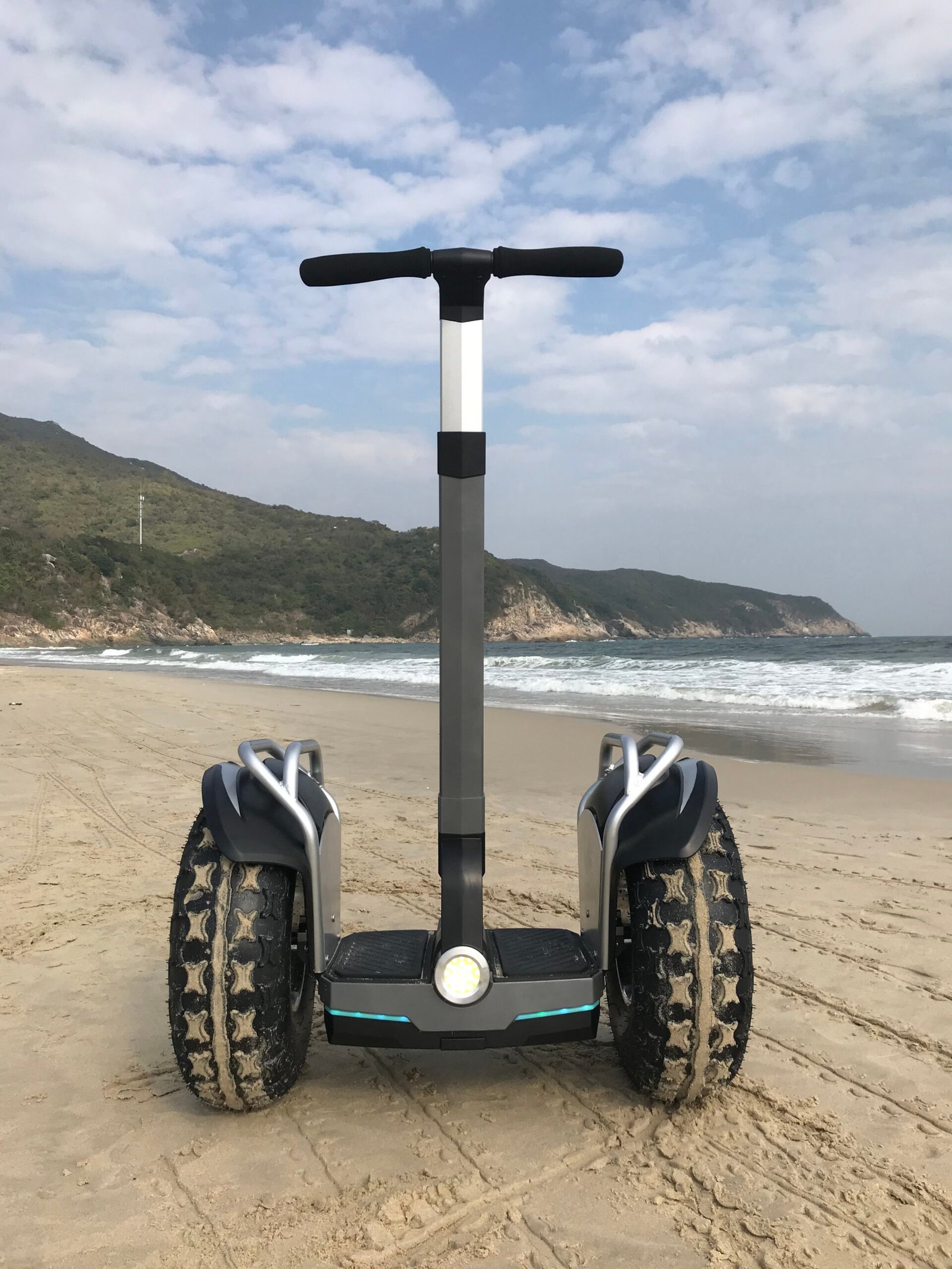
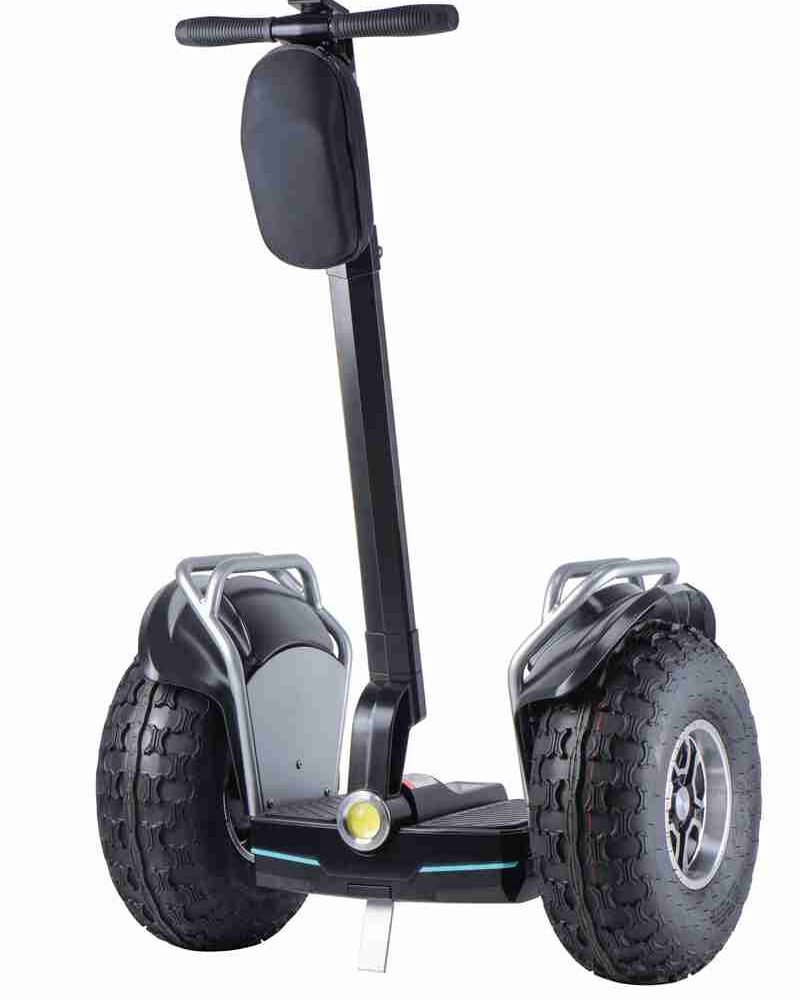
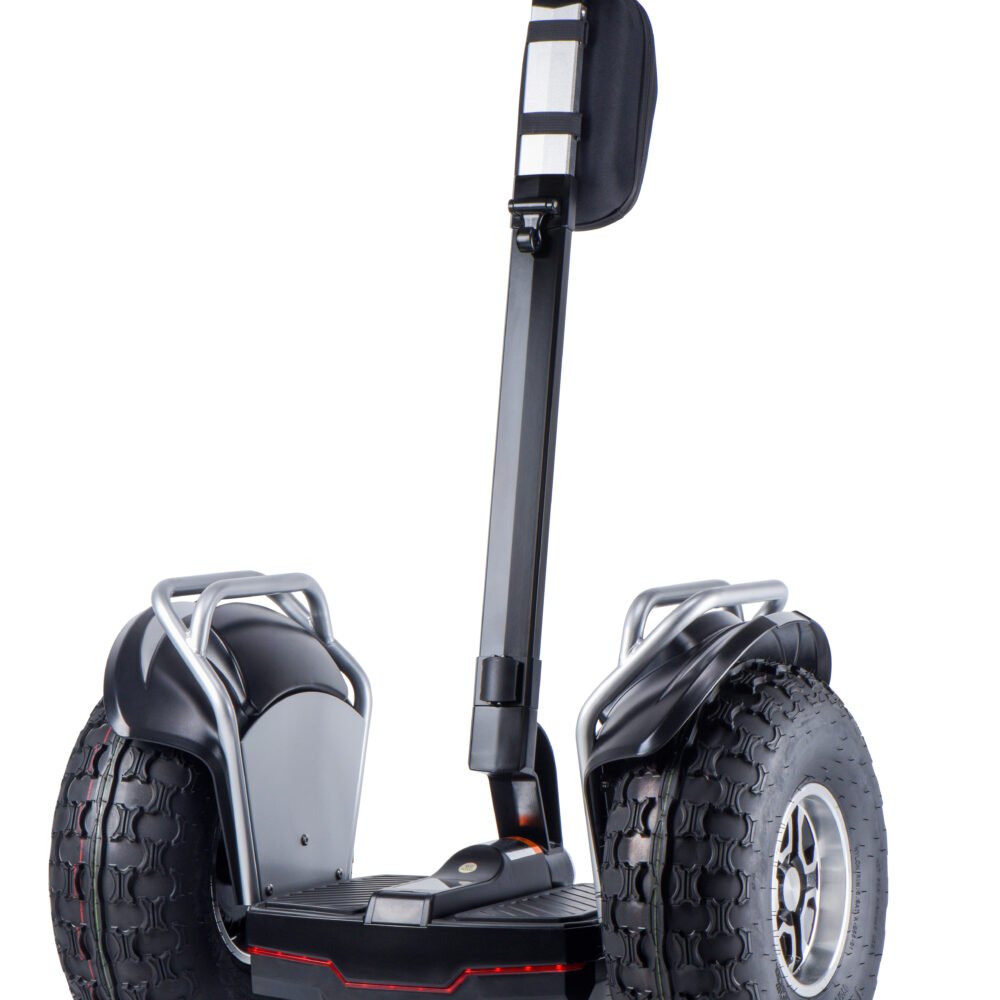
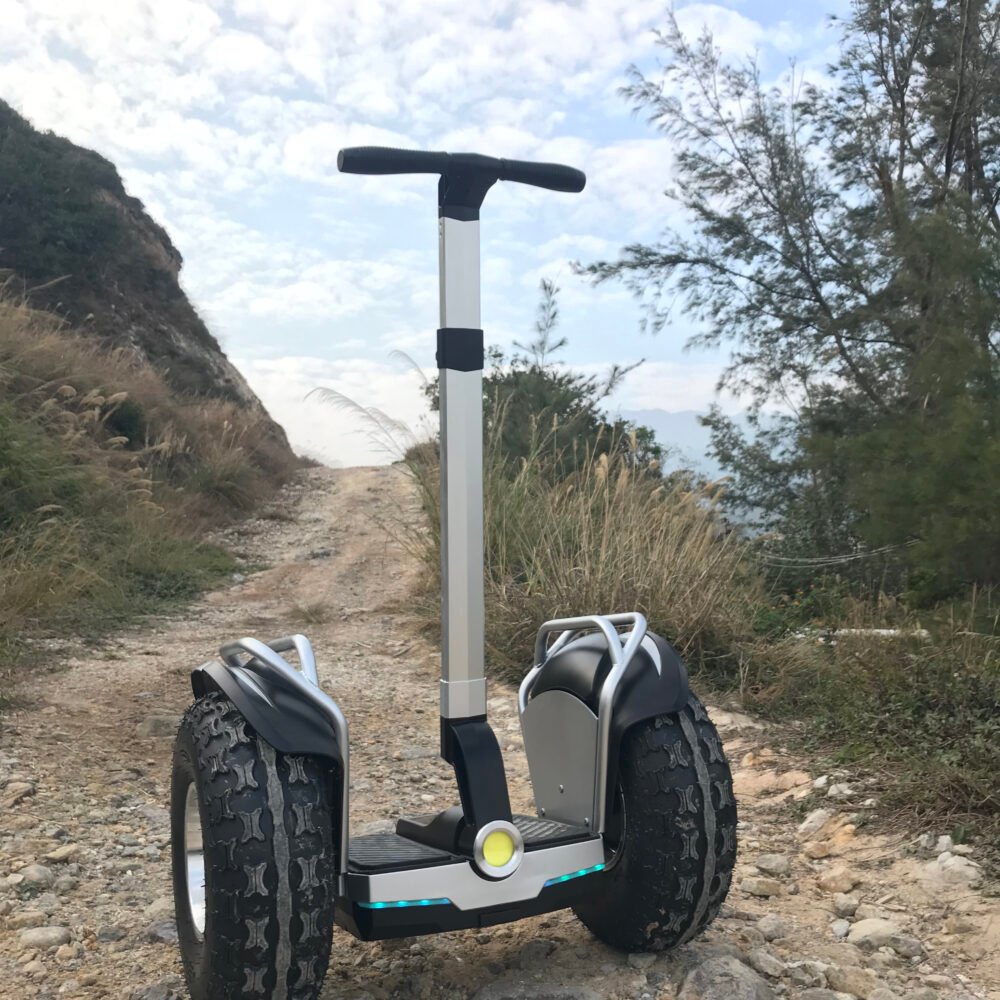
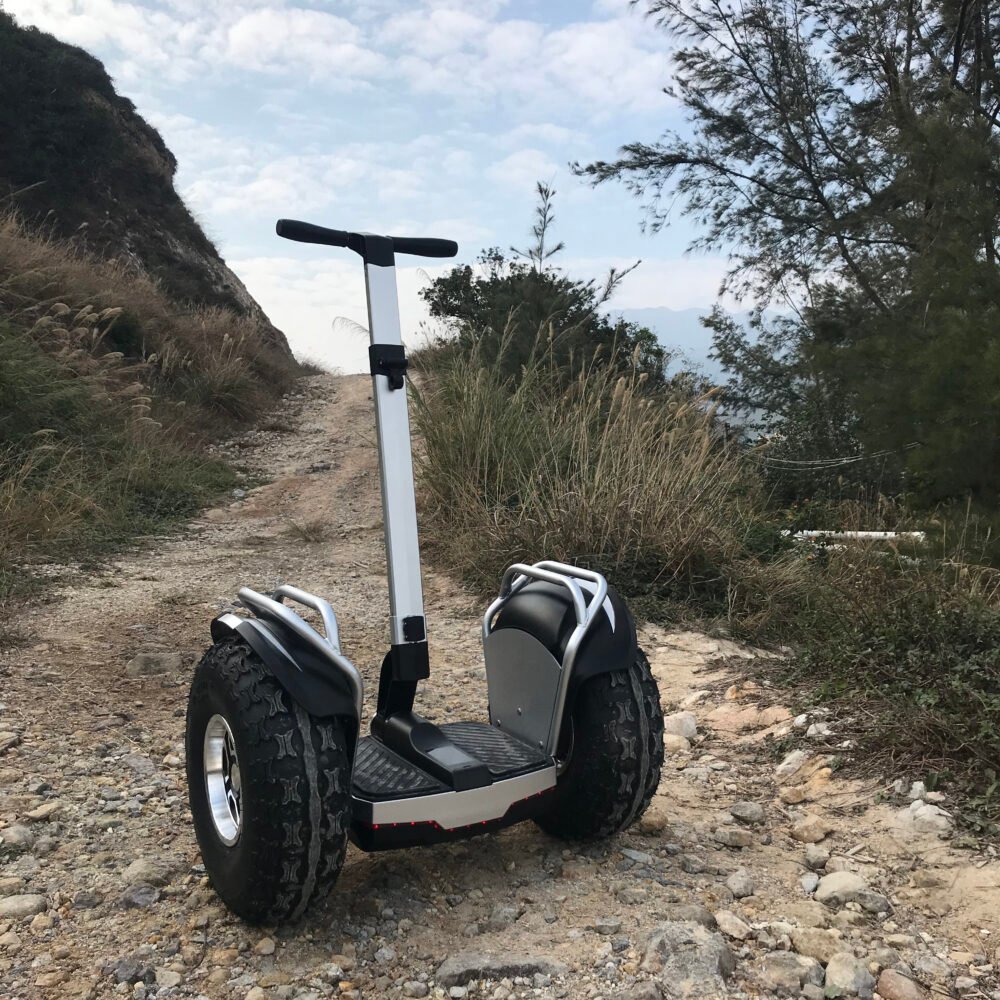
W5 | W5L | |
Main Material | Magnesium Alloy+Aluminum Alloy+ABS +Rubber | Magnesium Alloy+Aluminum Alloy+ABS +Rubber |
Max Speed | 20KM/H | 20KM/H |
Max Mileage | 35-40KM | 75-80KM |
Max Load | 150KG | 150KG |
Min Turning Radius | 0° | 0° |
Max Climbing | ≤35° | ≤35° |
Height of Pedal | 220mm | 220mm |
Max Height of Ground | 125mm | 125mm |
Tire Size | 20inch | 20inch |
Standard Pressure | 15 PSI or 1.0 bar or 105 kpa | 15 PSI or 1.0 bar or 105 kpa |
Long*Width*High | 488*836*1080-1480mm (Adustable) | 488*836*1080-1480mm (Adustable) |
Net Weight | 39.6KG | 41.2KG |
Gross Weight | 50.3KG | 52.3KG |
Packing Size | 91*52*63CM | 91*52*63CM |
Working Tamnosnt | -10-+40℃ | -10-+40℃ |
Storage | -20~+50℃ | -20~+50℃ |
Waterproof | IP56 | IP56 |
Begginner Mode | Yes,set via APP | Yes,set via APP |
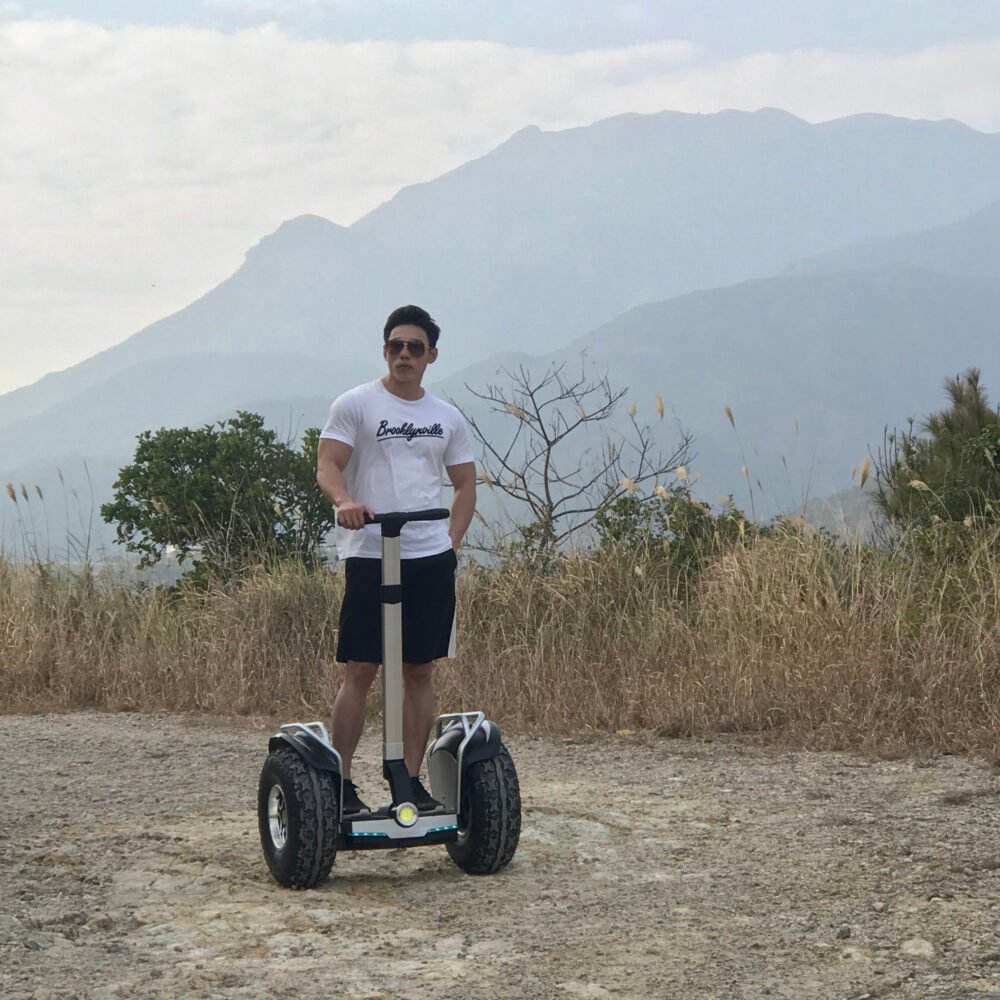
Applicable Terrain | Cement Road/Asphalt road/Grass/Gravel Road/Beach | Cement Road/Asphalt road/Grass/Gravel Road/Beach |
Certifications | CE/FCC/RoHS/MSDS/UN38.3/Air transport report/Sea transport report | CE/FCC/RoHS/MSDS/UN38.3/Air transport report/Sea transport report |
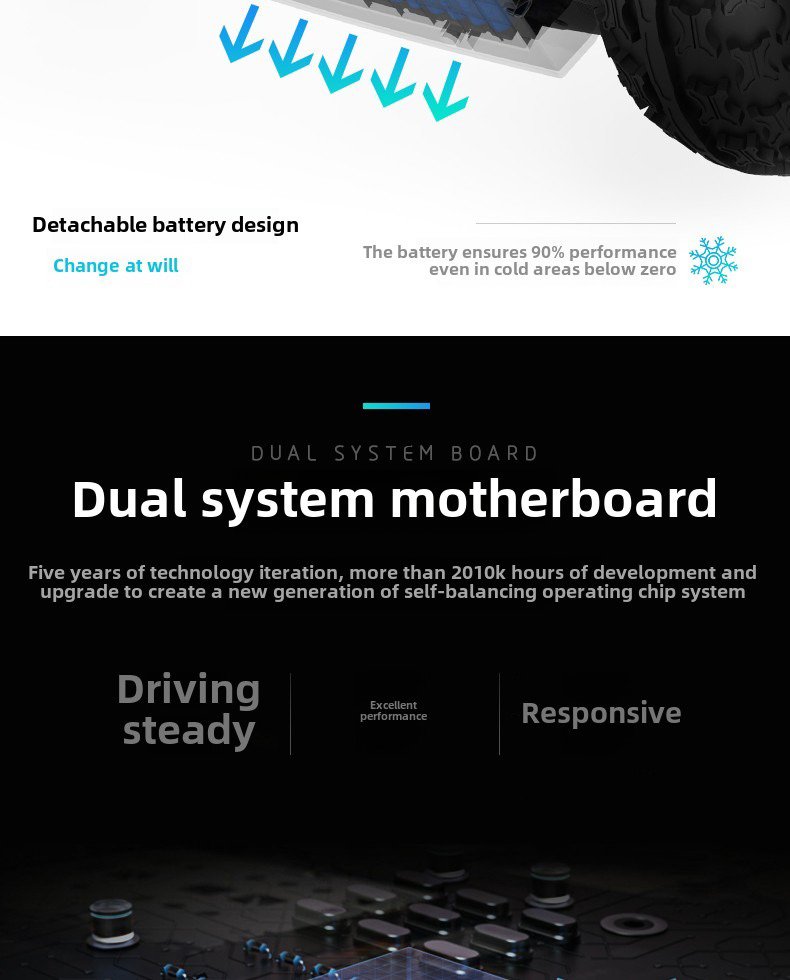
Motherboard Parameters | Dual System | Dual System |
Battery | SAMSUNG 18650 Lithium Battery | SAMSUNG 18650 Lithium Battery |
Rated Voltage | 57.6V | 57.6V |
Max Charging Voltage | 67.2V | 67.2V |
Rated Capacity ( Ah) | 7.8Ah | 15.6Ah ( Dual Batteries ) |
Intelligent BMS: | Overvoltage Protection / Undervoltage Protection / Short circuit Protection/ Overheating protection,Automatic sleep / Wake | Overvoltage Protection / Undervoltage Protection / Short circuit Protection/ Overheating protection,Automatic sleep / Wake |
Motor | Brushless DC Motor | Brushless DC Motor |
Rated Power | 1500W*2=3000W | 1500W*2=3000W |
Charger Parameters | Input Voltage | 100~240V |
Output Voltage | 67.2V | 67.2V |
Output Current | 2A | 3A |
Rated Power | 120W | 120W |
Charging Time | 4-5Hour | 6-7 Hour |
Operating Mode | Standby mode/Pulling mode/Speed limit driving mode/Normal driving mode/Remote mode/Lock mode | Standby mode/Pulling mode/Speed limit driving mode/Normal driving mode/Remote mode/Lock mode |
Display Panel | 6.5inch OLED Display/Battery/Speed/Mileage/ Lamp/Lock/Bluetooth | 6.5inch OLED Display/Battery/Speed/Mileage/ Lamp/Lock/Bluetooth |
light | Front lamp/Ambient light/Left/Right turn light /Brake light/Backup Light | Front lamp/Ambient light/Left/Right turn light /Brake light/Backup Light |
Wireless Connections | Bluetooth | Bluetooth |
APP | Yes | Yes |
Voice | Yes | Yes |
USB Charging | Yes (5V/1A) | |
Bluetooth Music | Yes | |
Colour | Black / White / Silver / Space gray | Black / White / Silver / Space gray |
Front Bag | Option | Option |
Knee Pad+Helmet | Option | Option |
Container Qty. | 20GP: 102pcs/40HQ:236pcs | 20GP: 102pcs/40HQ:236pcs |
Electric Bike liideway FT
Electric Commuter Bike liideway L1
Electric Motorbike liideway Q8
Electric scooter Harley liideway RS05
Electric Sportbike liideway X131
Electric vehicle (EV) scooter liideway XT1
Harley-Davidson eco-friendly scooter RS08 (MINI)
Harley-Davidson EV scooter RS07
Shop Self-Balancing Scooters
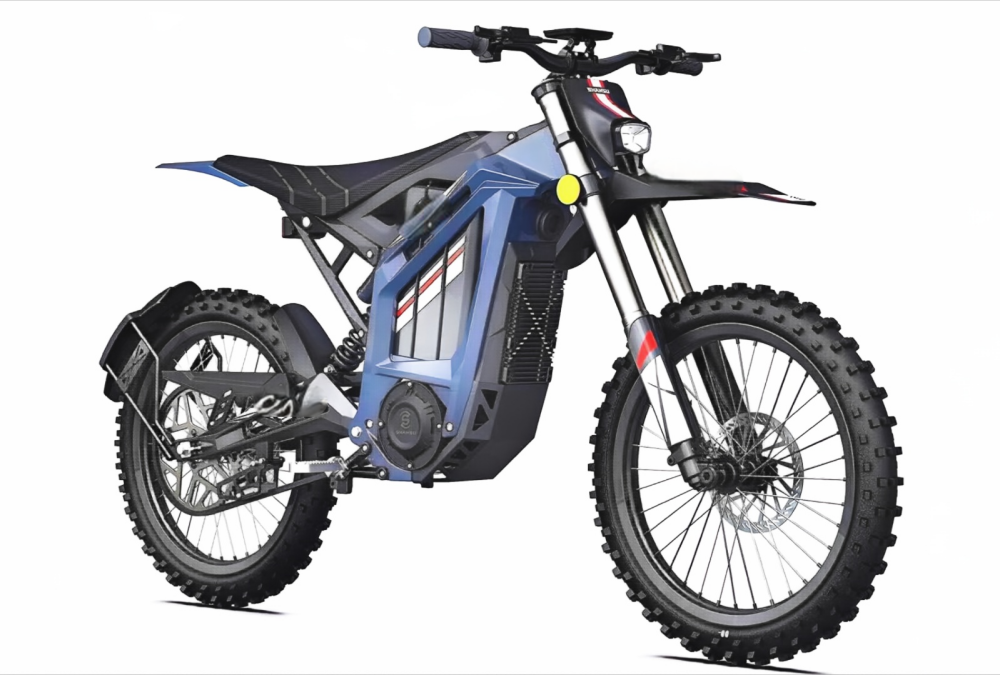
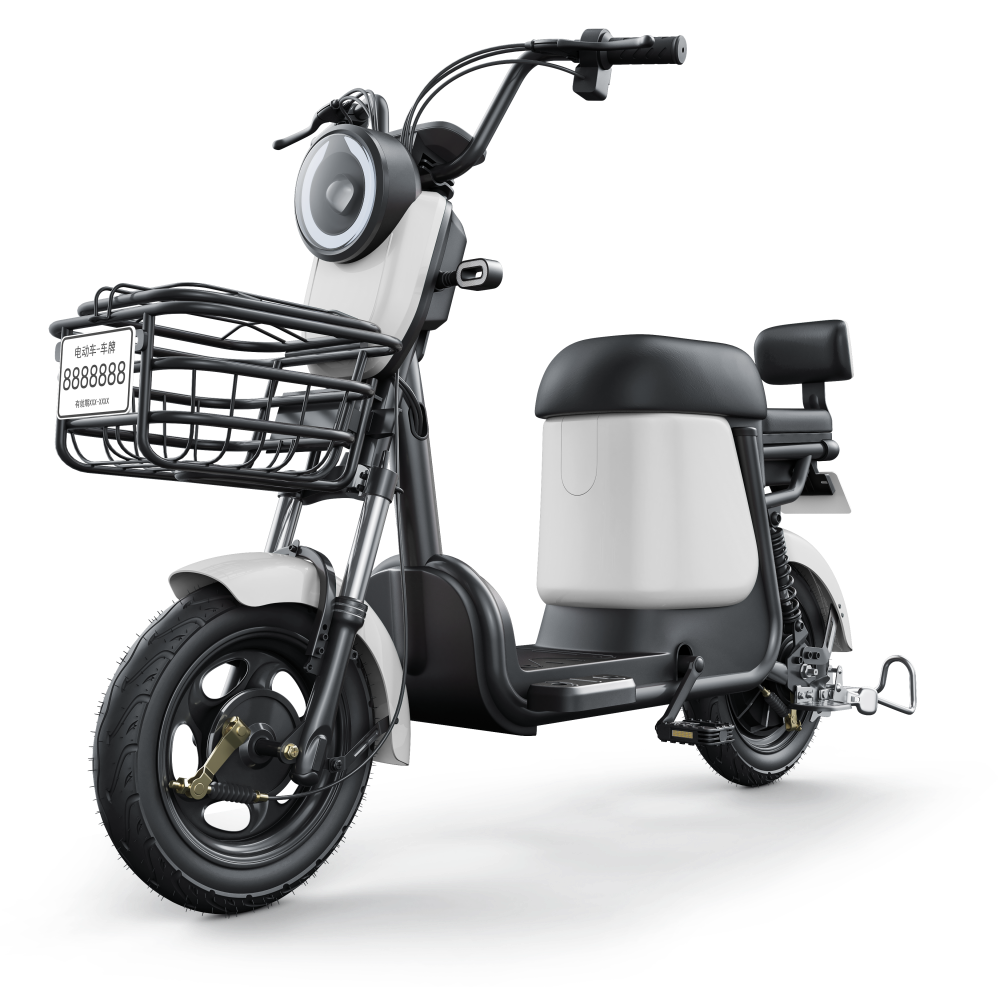
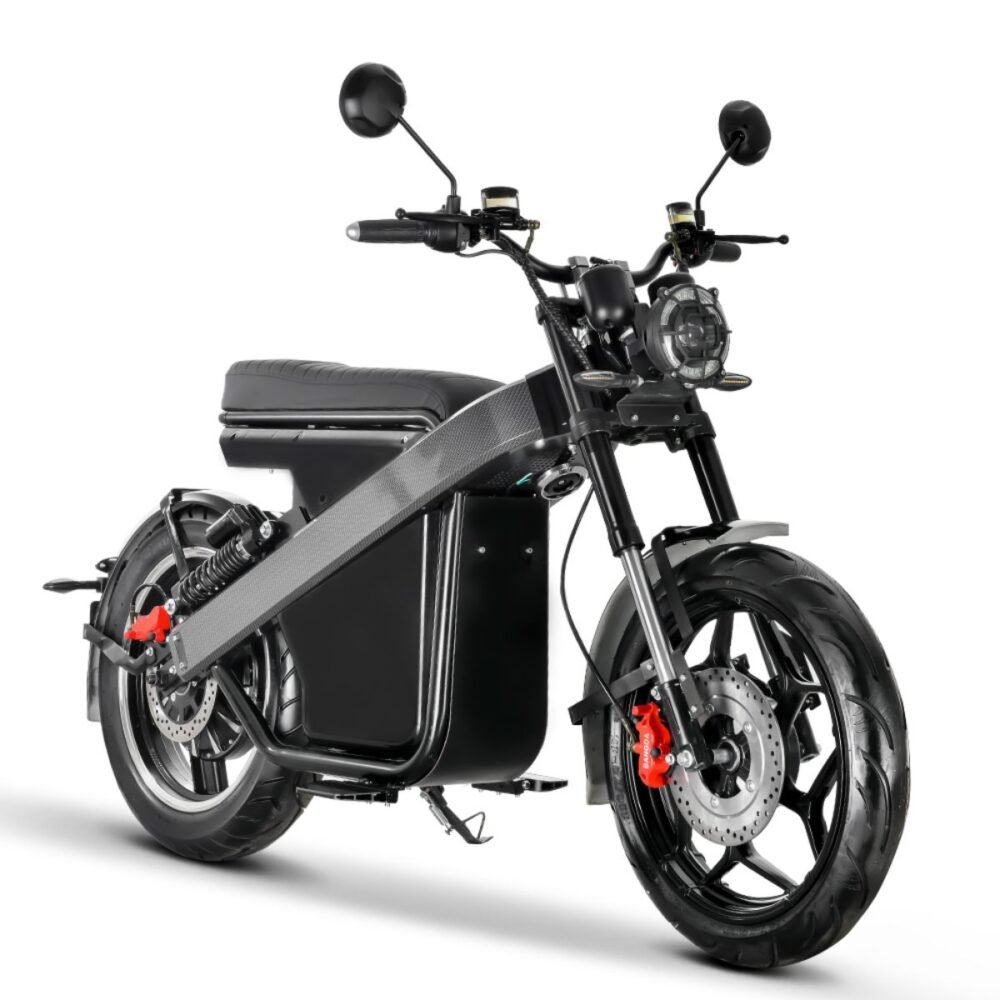
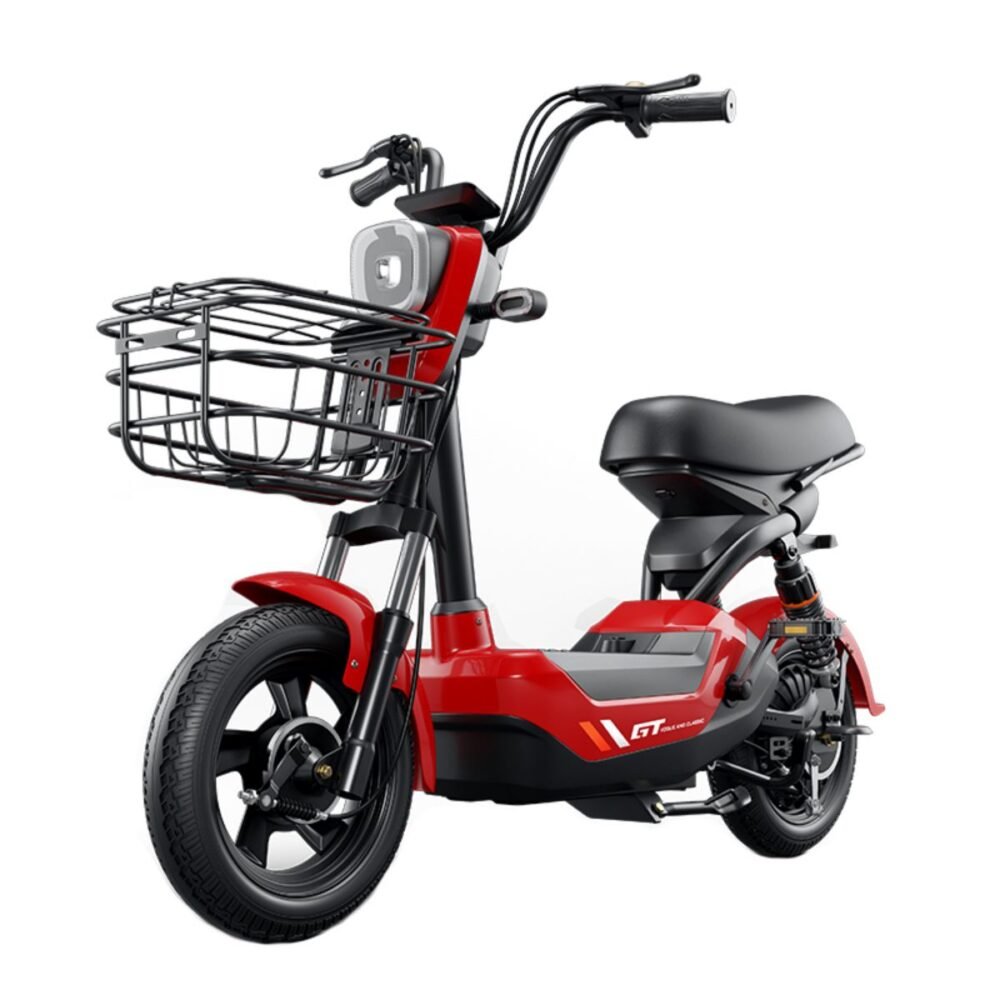
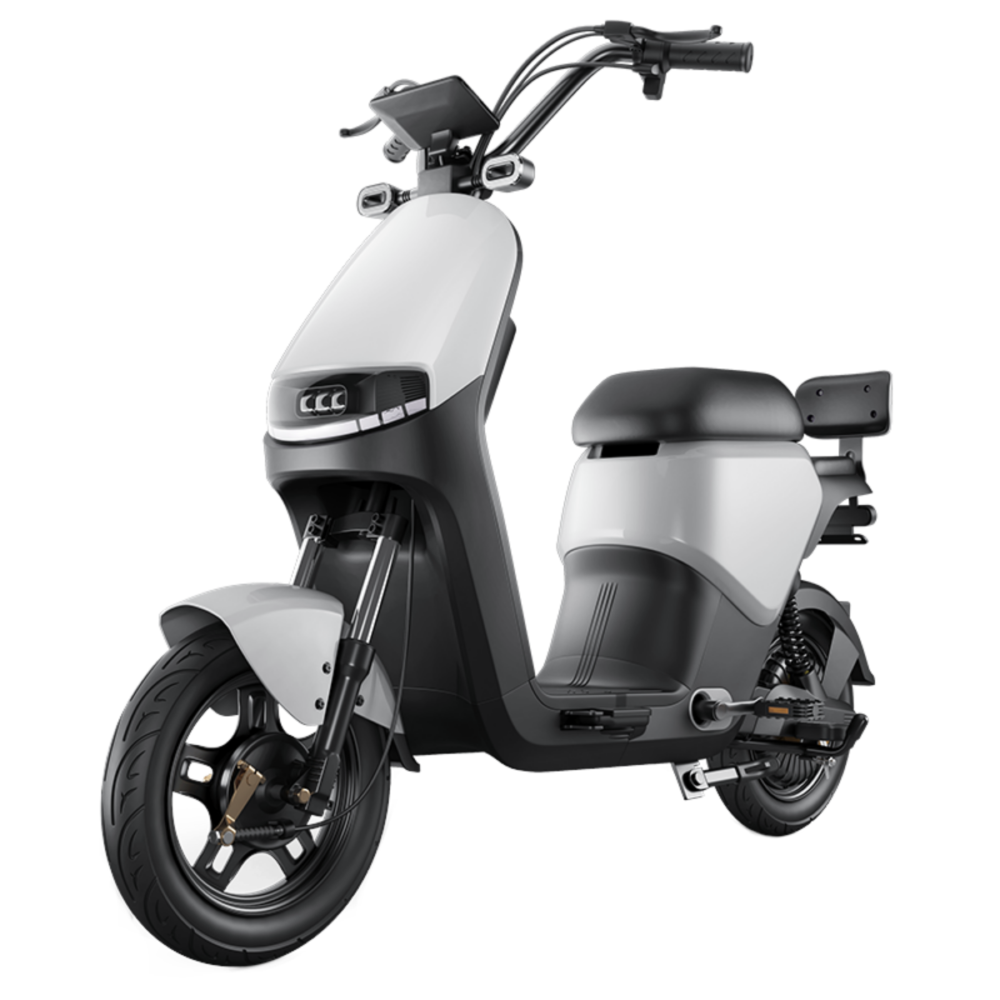
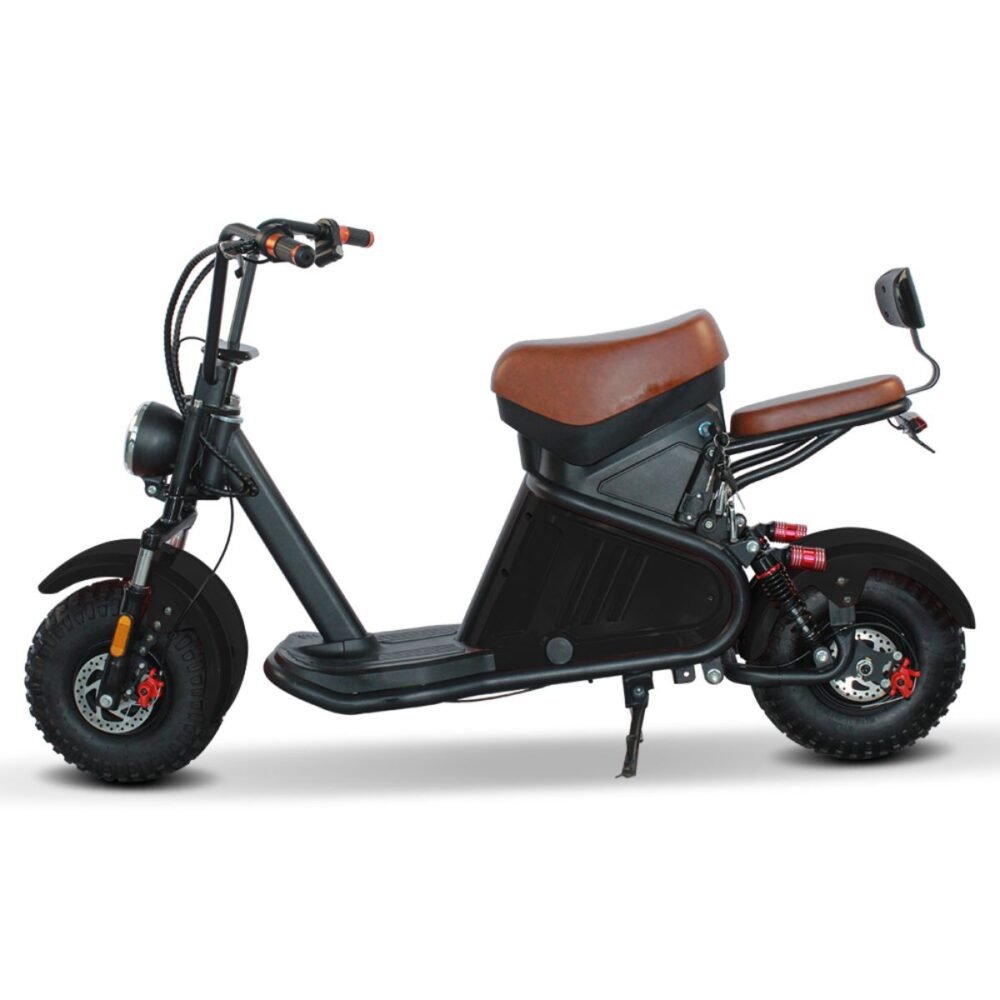


- motorcycle scooter
1500W 2000W 3000W 5000W Electric Motorcycles liideway manufacturer
- motorcycle scooter
2 wheel Electric Motorcycles liideway manufacturer
- motorcycle scooter
2 wheels self balancing scooter
- motorcycle scooter
2 wheels Self balancing Scooter for Adults
- motorcycle scooter
2-wheel scooter electric self balancing
- motorcycle scooter
2-wheel scooter self balancing
- motorcycle scooter
2000W Electric Motorcycles liideway manufacturer
- motorcycle scooter
2025 Electric Motorcycles 1500W 2000W 3000W 5000W liideway manufacturer
- motorcycle scooter
2025 Electric Motorcycles 2 wheel liideway manufacturer
- motorcycle scooter
2025 Electric Motorcycles 2025 liideway manufacturer
- motorcycle scooter
2025 Electric Motorcycles 2026 liideway manufacturer
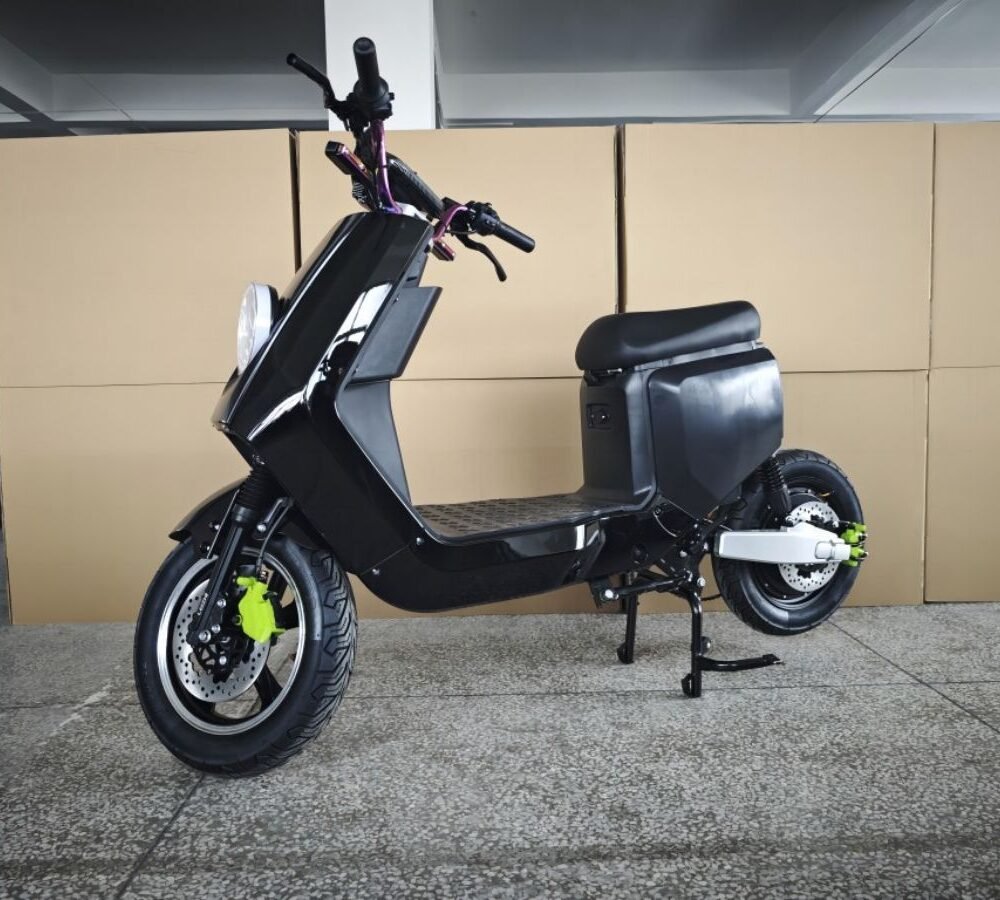


- ATV scooter
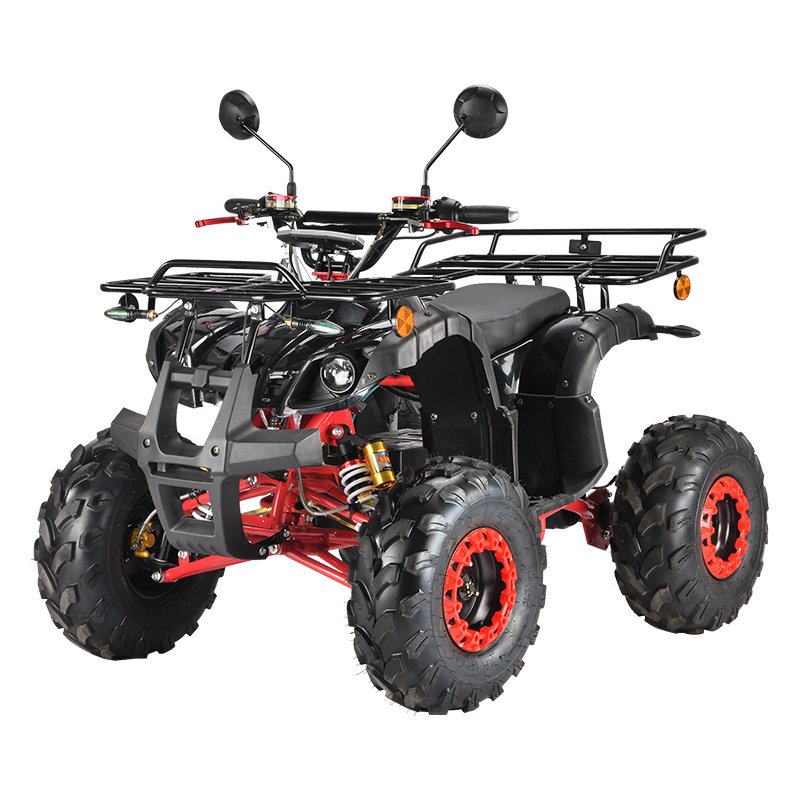
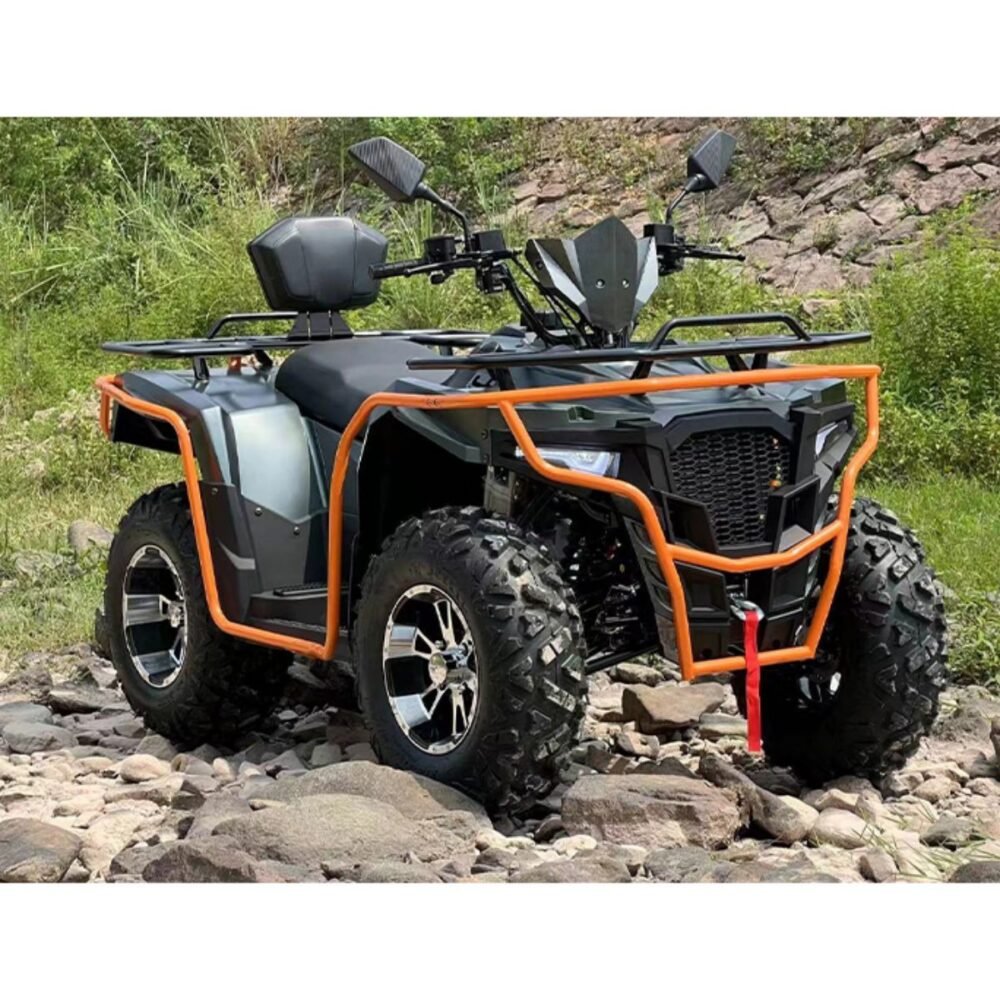
250cc Electric ATV liideway250
- ATV scooter
ATV electric motorcycle liideway HM-1
- ATV scooter
Electric ATV Scooter liideway 260
- ATV scooter
High-Power Electric Scooter liideway270
- ATV scooter
Shop Self-Balancing Scooters

-
EEC scooter
Chopper Scooter for Adults liideway S8
-
EEC scooter
CityCoco bike liidewayL9
-
EEC scooter
CityCoco double motor liideway HM-7
-
EEC scooter
CityCoco for sale liideway M3max
-
EEC scooter
citycoco scooter liideway C1
-
EEC scooter
CityCoco speed liideway HM3
-
EEC scooter
Electric chopper bike for adults liideway RS09
-
EEC scooter
Electric chopper liideway T8 (EEC)
-
EEC scooter
Electric two-wheeler Harley RS06
-
EEC scooter
Electric Vehicle liideway L16
-
EEC scooter
Harley e-scooter liideway M3EEC
-
EEC scooter
Harley electric scooter range liieway HR6EEC
- EEC scooter
Chopper Scooter for Adults liideway S8
- EEC scooter
CityCoco bike liidewayL9
- EEC scooter
CityCoco double motor liideway HM-7
- EEC scooter
CityCoco for sale liideway M3max
- EEC scooter
citycoco scooter liideway C1
- EEC scooter
CityCoco speed liideway HM3
- EEC scooter
Electric chopper bike for adults liideway RS09
- EEC scooter
Electric chopper liideway T8 (EEC)
- EEC scooter
Electric two-wheeler Harley RS06
- EEC scooter
Electric Vehicle liideway L16
- EEC scooter
Harley e-scooter liideway M3EEC
- EEC scooter
Harley electric scooter range liieway HR6EEC

www.liideway.com
www.leadwaycn.com
www.prxel.com
www.elctrs.com
www.mdcem.com
www.elxpros.com
www.fame5.com
www.myqex.com
www.liidewayscooter.com
www.bikesscooter.com
www.scootersbike.com
www.rilla.com.cn
www.imovingon.com
www.goocycle.com
www.igoofast.com
www.scooterelectric.cn
www.bikeelectric.cn
Discover what a self-balancing scooter is and explore its benefits for commuting and recreation. This guide covers essential safety tips, how to choose the right scooter, and insights into the technology that makes these devices unique. Whether you’re a beginner or an experienced rider, learn how self-balancing scooters can enhance your daily travel and promote an active lifestyle. Join the trend towards eco-friendly transportation and enjoy the thrill of riding a self-balancing scooter.
The Ultimate Guide to Self-Balancing Scooters: A Revolutionary Ride
What is a Self-Balancing Scooter?
A self-balancing scooter is a personal transportation device that employs advanced technology to allow riders to maintain balance while moving. These scooters are sometimes referred to as hoverboards or smart boards, though they are distinct from traditional scooters. The defining feature of a self-balancing scooter is its ability to autonomously balance through the use of gyroscopic sensors and accelerometers. These components work in harmony to detect the rider’s weight distribution and movements, enabling the scooter to respond dynamically as the rider leans forward, backward, or to the sides.
The mechanics behind a self-balancing scooter are rooted in sophisticated algorithms that process input from these sensors, adjusting the speed and trajectory accordingly. When a rider shifts their weight forward, the scooter accelerates; leaning backward will slow it down or even reverse its direction. This intuitive method of control makes self-balancing scooters accessible to a broad range of users, from beginners to experienced riders, as the need for extensive hand-eye coordination is significantly reduced compared to traditional scooters.
In contrast to traditional scooters, which rely on manual propulsion and steering, self-balancing scooters eliminate the need for a physical kick to get started. Likewise, they differ from hoverboards, which typically refer to a specific style of self-balancing scooter that features a wider platform and absence of handles. The versatility of self-balancing scooters has made them increasingly popular for both recreation and short-distance commuting, as they offer a unique riding experience that emphasizes balance and weight shifting. As technology continues to evolve, the functionality and safety features of self-balancing scooters are expected to improve further, cementing their status as a revolutionary ride in personal transportation.
Benefits of Using a Self-Balancing Scooter
Self-balancing scooters have surged in popularity in recent years due to their numerous advantages for users across diverse demographics. One of the primary benefits is their convenience for commuting. In urban environments where traffic congestion is a major issue, these scooters provide an efficient alternative for short-distance travel. Users can weave through traffic, avoid delays, and reach their destinations quicker than traditional methods. This feature makes them particularly appealing to busy professionals and students who desire a seamless way to navigate their surroundings.
Another notable aspect of self-balancing scooters is their user-friendly nature. The design enables easy learning, as riders typically require minimal time to gain proficiency. Many models are equipped with features such as speed control and stability assistance, which aid beginners in becoming comfortable. This simplicity makes them accessible for individuals of all ages, including children and seniors, resulting in a broader acceptance of this innovative mode of transportation.
Moreover, self-balancing scooters are an environmentally friendly choice, contributing positively to efforts aimed at reducing carbon emissions and reliance on fossil fuels. Many users value the ability to partake in eco-conscious commuting while enjoying the benefits of electric-powered transportation. The shift towards sustainable options is increasingly important as concerns about air quality and climate change gain prominence.
From a health perspective, self-balancing scooters also offer various benefits. Regular use encourages physical activity, helping users develop better balance and coordination skills. Riding a scooter requires the engagement of core muscles, promoting strength and stability. Additionally, it serves as a fun way to incorporate exercise into one’s routine, making it an exhilarating alternative to conventional workouts or sedentary transportation methods. Collectively, these advantages illustrate the appeal of self-balancing scooters as a contemporary solution for modern commuting challenges.
Safety Tips and Regulations for Riding Self-Balancing Scooters
Riding self-balancing scooters can be an exhilarating experience; however, ensuring safety while riding is paramount. One of the first recommendations for riders is to wear appropriate protective gear. Helmets, knee pads, elbow pads, and wrist guards should be regarded as essential for safeguarding against potential injuries. Proper footwear, such as closed-toe shoes with good grip, is also crucial to maintain stability and avoid slips while riding.segway gt2 price
Understanding the limitations of your self-balancing scooter is equally important. Each model has specific weight limits, speed capabilities, and battery life metrics. Riders should read the manufacturer’s guidelines thoroughly to comprehend their scooter’s specifications. This knowledge protects users from overstressing the equipment and potentially causing accidents.
Practical riding techniques also contribute significantly to safety. Beginners are advised to practice in open spaces before ascending to busier areas. Learning to balance, control speed, and navigate turns should be a gradual process. Riders should also be aware of their surroundings, maintaining a safe distance from obstacles and other pedestrians. When riding in tight spaces or crowded environments, it is essential to slow down and take extra precautions.
From a legal standpoint, riders must familiarize themselves with the regulations governing the use of self-balancing scooters in their regions. Many cities and states have established specific guidelines regarding age restrictions, with some prohibiting use by individuals below a certain age. Additionally, some jurisdictions require riders to wear helmets or to use other protective gear. It is also vital to understand where riding is permissible, as certain places, such as sidewalks or roadways, may have restrictions. In conclusion, adhering to safety tips, understanding your scooter’s limitations, and observing local regulations will undoubtedly enhance the riding experience while ensuring personal safety and compliance with the law.
Choosing the Right Self-Balancing Scooter
Selecting the ideal self-balancing scooter requires careful consideration of several factors. First, establishing a budget is essential, as prices can vary significantly based on features and brand reputation. Generally, more expensive models offer enhanced durability, superior battery life, and better speed capabilities. Thus, it is beneficial to understand your financial limits before browsing options.
Intended use is another vital aspect to consider. Are you planning to use your scooter for daily commuting, or is it meant for leisurely rides on weekends? Commuting scooters typically offer a lightweight design for portability, while recreational models may prioritize strength and stability. Understanding how you plan to use the scooter will guide you toward the most suitable choice.
Battery life is a significant feature for any self-balancing scooter. A robust battery can support longer rides, minimizing the need for frequent recharging. Look for models that boast a minimum range of 10 miles on a full charge, especially if you intend to use the scooter for commuting. Additionally, the weight capacity should align with your body weight and any cargo you may wish to carry. A scooter with a higher weight capacity provides greater versatility and longevity.
Speed is another consideration. Most self-balancing scooters reach speeds between 6 to 12 miles per hour. If you desire a faster ride, ensure the model supports your needs without compromising safety.
When it comes to brands, well-known names often signify quality. Models from brands such as Razor, Segway, and Swagtron have established reputations backed by customer reviews. Evaluating user feedback can provide insights into performance and durability, helping you make an informed decision. Overall, your choice should reflect a balance between features, performance, and value.
Reviews
There are no reviews yet.