📧 Email: scooter1@leadwaycn.com 📞 Whatsapp/Tel: +8613480102329
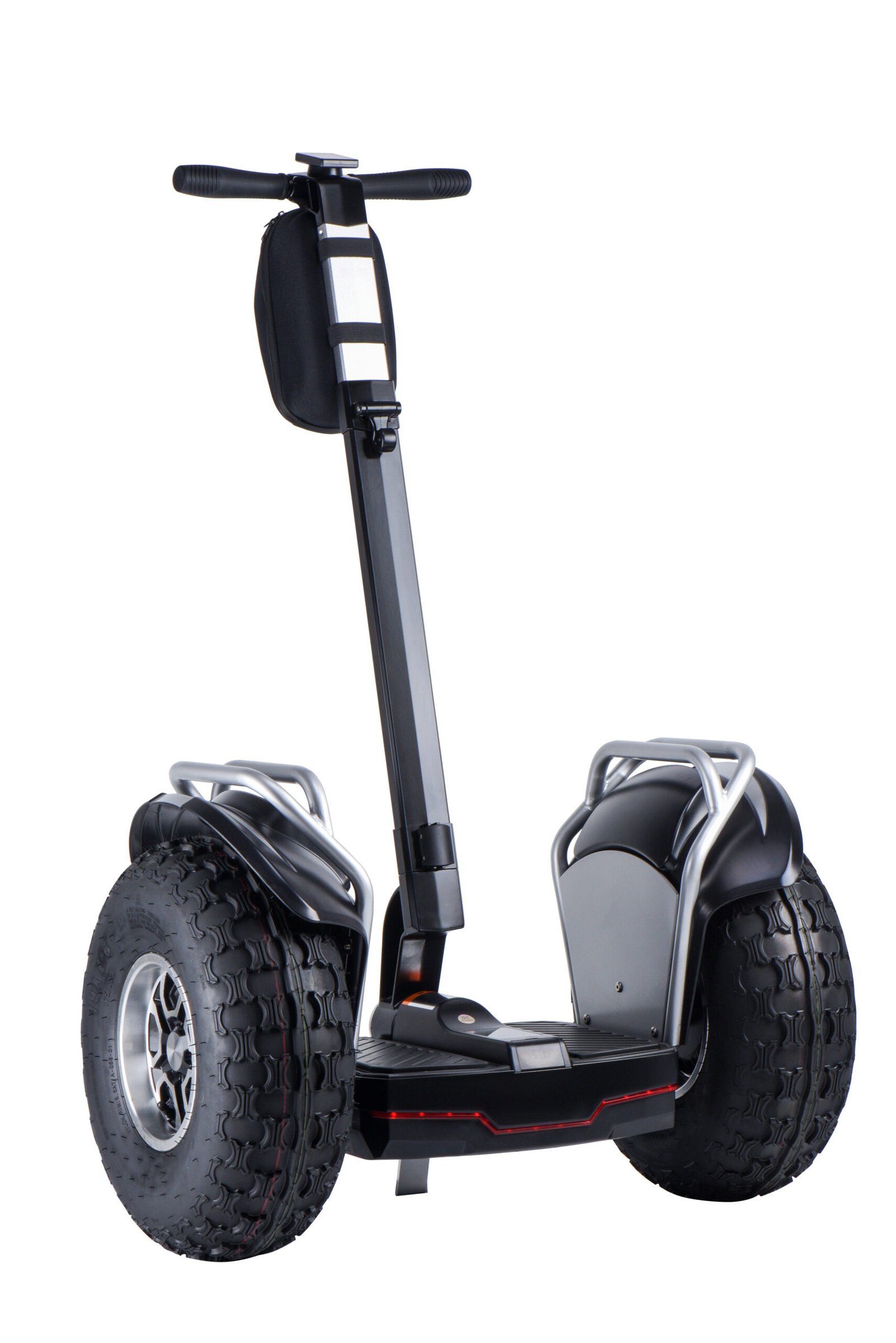
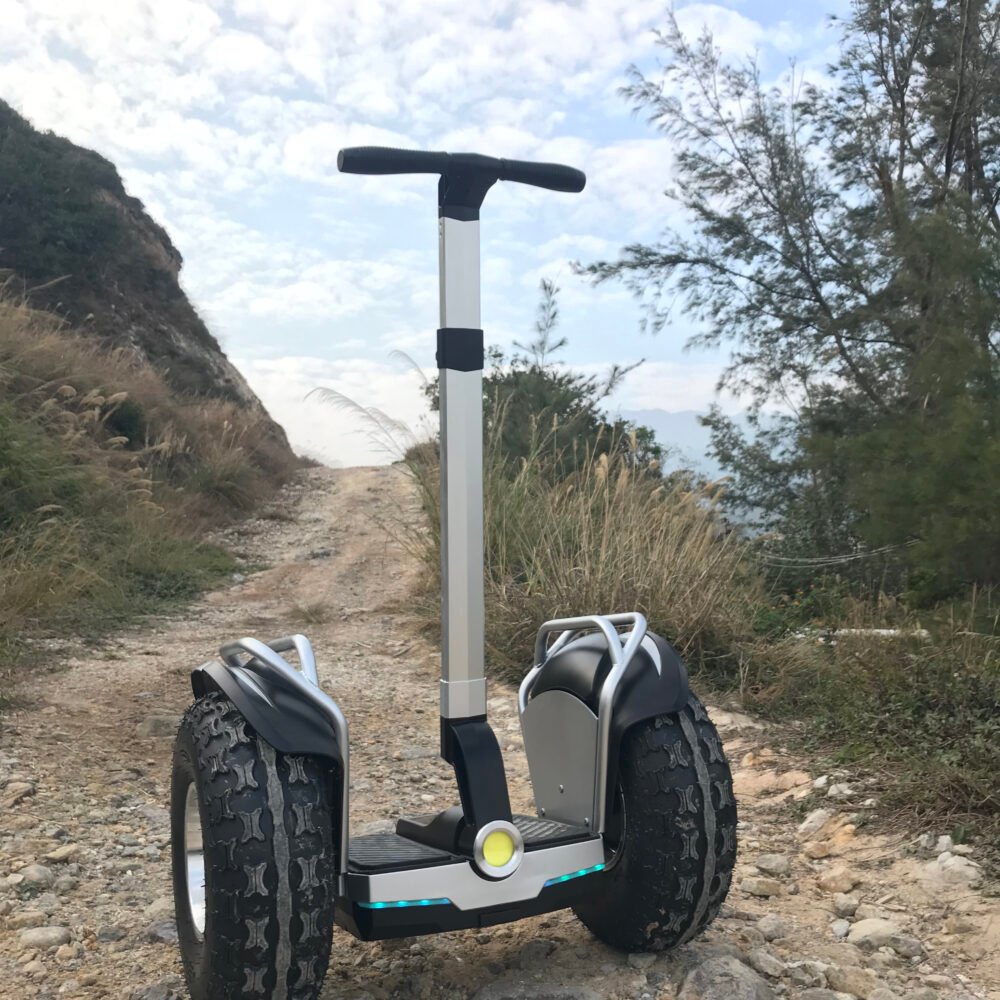
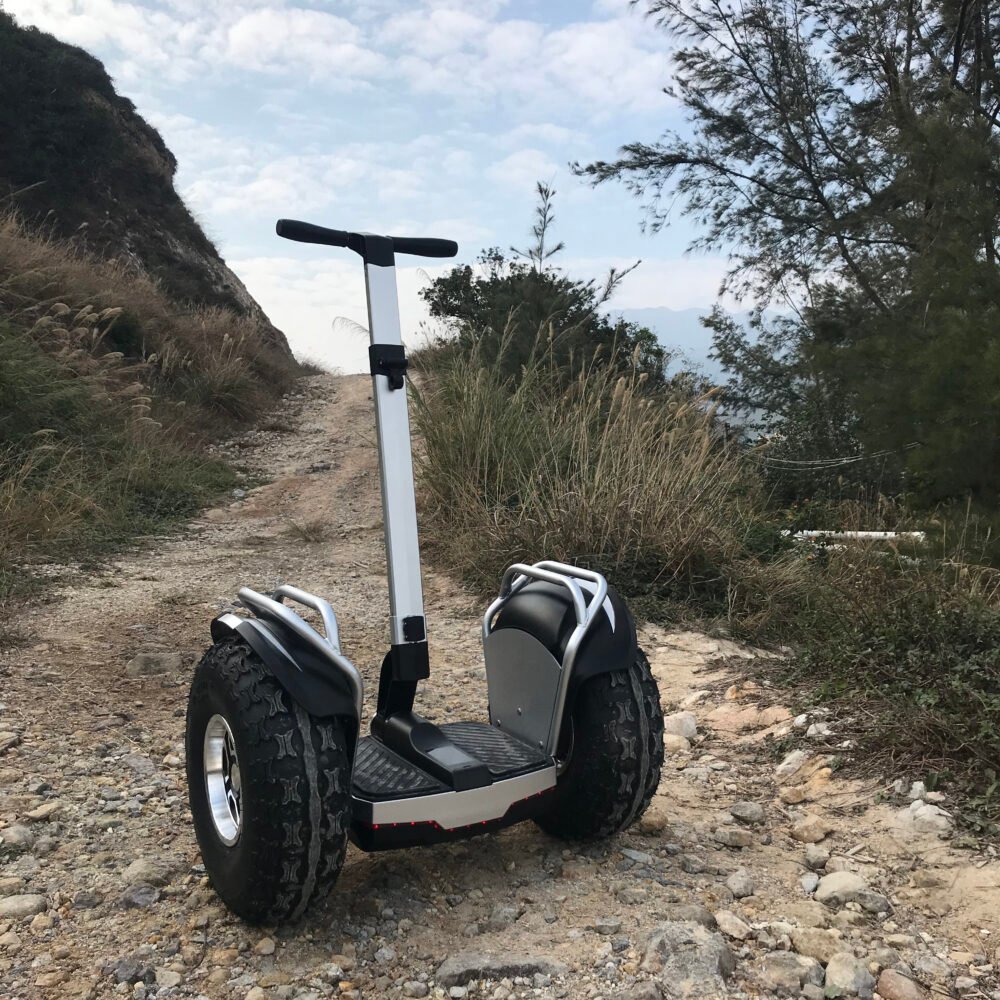
W5 | W5L | |
Main Material | Magnesium Alloy+Aluminum Alloy+ABS +Rubber | Magnesium Alloy+Aluminum Alloy+ABS +Rubber |
Max Speed | 20KM/H | 20KM/H |
Max Mileage | 35-40KM | 75-80KM |
Max Load | 150KG | 150KG |
Min Turning Radius | 0° | 0° |
Max Climbing | ≤35° | ≤35° |
Height of Pedal | 220mm | 220mm |
Max Height of Ground | 125mm | 125mm |
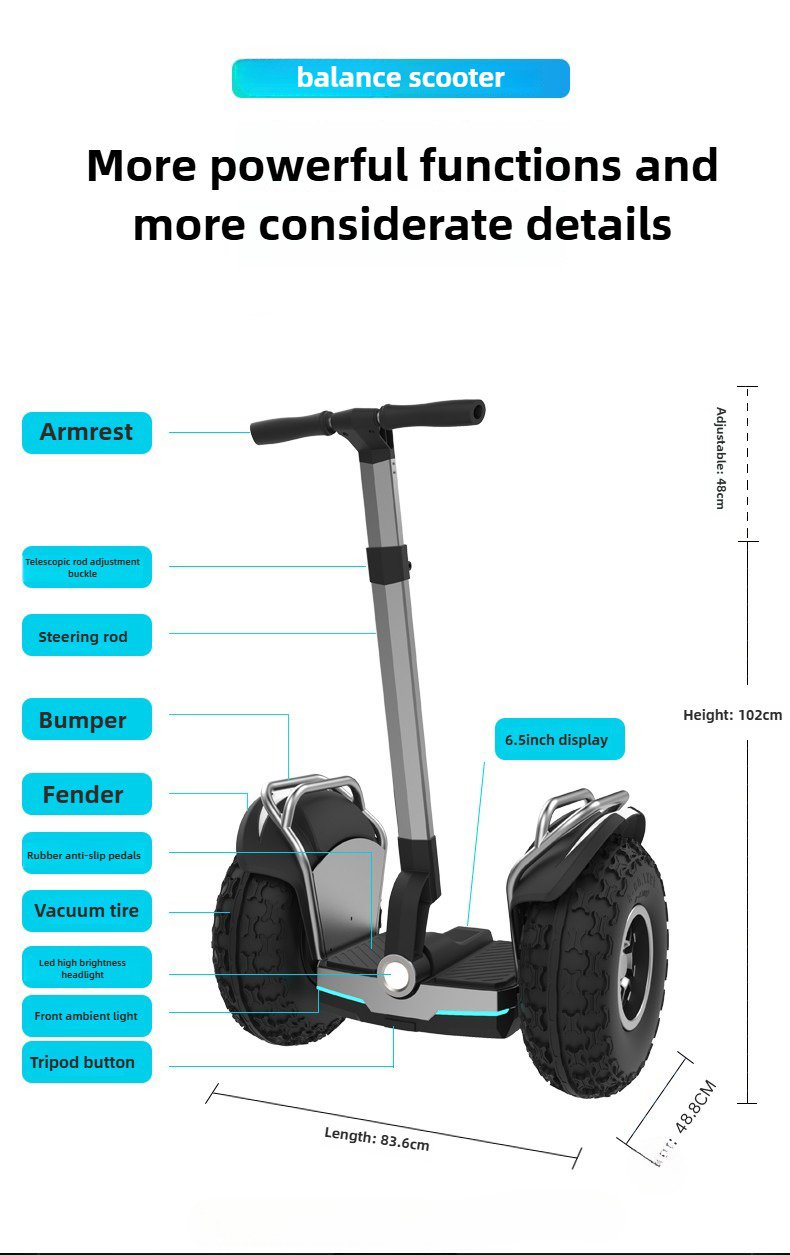
Tire Size | 20inch | 20inch |
Standard Pressure | 15 PSI or 1.0 bar or 105 kpa | 15 PSI or 1.0 bar or 105 kpa |
Long*Width*High | 488*836*1080-1480mm (Adustable) | 488*836*1080-1480mm (Adustable) |
Net Weight | 39.6KG | 41.2KG |
Gross Weight | 50.3KG | 52.3KG |
Packing Size | 91*52*63CM | 91*52*63CM |
Working Tamnosnt | -10-+40℃ | -10-+40℃ |
Storage | -20~+50℃ | -20~+50℃ |
Waterproof | IP56 | IP56 |
Begginner Mode | Yes,set via APP | Yes,set via APP |
Applicable Terrain | Cement Road/Asphalt road/Grass/Gravel Road/Beach | Cement Road/Asphalt road/Grass/Gravel Road/Beach |
Certifications | CE/FCC/RoHS/MSDS/UN38.3/Air transport report/Sea transport report | CE/FCC/RoHS/MSDS/UN38.3/Air transport report/Sea transport report |
Motherboard Parameters | Dual System | Dual System |
Battery | SAMSUNG 18650 Lithium Battery | SAMSUNG 18650 Lithium Battery |
Rated Voltage | 57.6V | 57.6V |
Max Charging Voltage | 67.2V | 67.2V |
Rated Capacity ( Ah) | 7.8Ah | 15.6Ah ( Dual Batteries ) |
Intelligent BMS: | Overvoltage Protection / Undervoltage Protection / Short circuit Protection/ Overheating protection,Automatic sleep / Wake | Overvoltage Protection / Undervoltage Protection / Short circuit Protection/ Overheating protection,Automatic sleep / Wake |
Motor | Brushless DC Motor | Brushless DC Motor |
Rated Power | 1500W*2=3000W | 1500W*2=3000W |
Charger Parameters | Input Voltage | 100~240V |
Output Voltage | 67.2V | 67.2V |
Output Current | 2A | 3A |
Rated Power | 120W | 120W |
Charging Time | 4-5Hour | 6-7 Hour |
Operating Mode | Standby mode/Pulling mode/Speed limit driving mode/Normal driving mode/Remote mode/Lock mode | Standby mode/Pulling mode/Speed limit driving mode/Normal driving mode/Remote mode/Lock mode |
Display Panel | 6.5inch OLED Display/Battery/Speed/Mileage/ Lamp/Lock/Bluetooth | 6.5inch OLED Display/Battery/Speed/Mileage/ Lamp/Lock/Bluetooth |
light | Front lamp/Ambient light/Left/Right turn light /Brake light/Backup Light | Front lamp/Ambient light/Left/Right turn light /Brake light/Backup Light |
Wireless Connections | Bluetooth | Bluetooth |
APP | Yes | Yes |
Voice | Yes | Yes |
USB Charging | Yes (5V/1A) | |
Bluetooth Music | Yes | |
Colour | Black / White / Silver / Space gray | Black / White / Silver / Space gray |
Front Bag | Option | Option |
Knee Pad+Helmet | Option | Option |
Container Qty. | 20GP: 102pcs/40HQ:236pcs | 20GP: 102pcs/40HQ:236pcs |
Electric Bike liideway FT
Electric Commuter Bike liideway L1
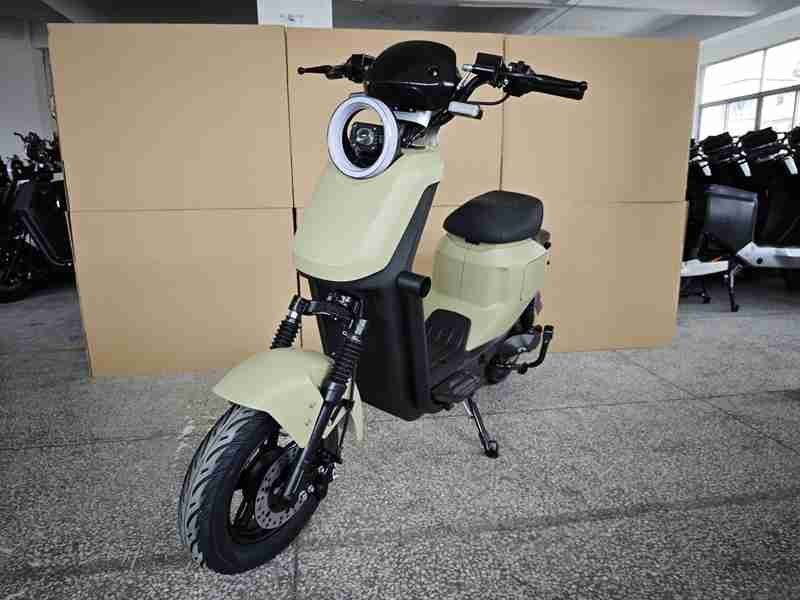
Electric Motorbike liideway Q8
Electric scooter Harley liideway RS05
Electric Sportbike liideway X131
Electric vehicle (EV) scooter liideway XT1
Harley-Davidson eco-friendly scooter RS08 (MINI)
Harley-Davidson EV scooter RS07
Shop Self-Balancing Scooters
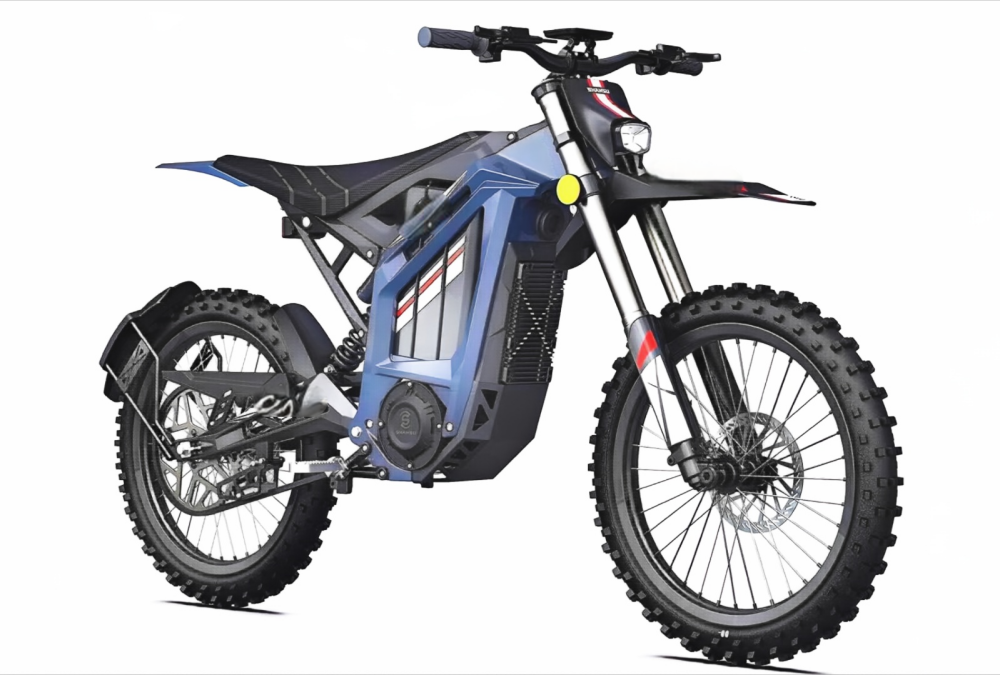
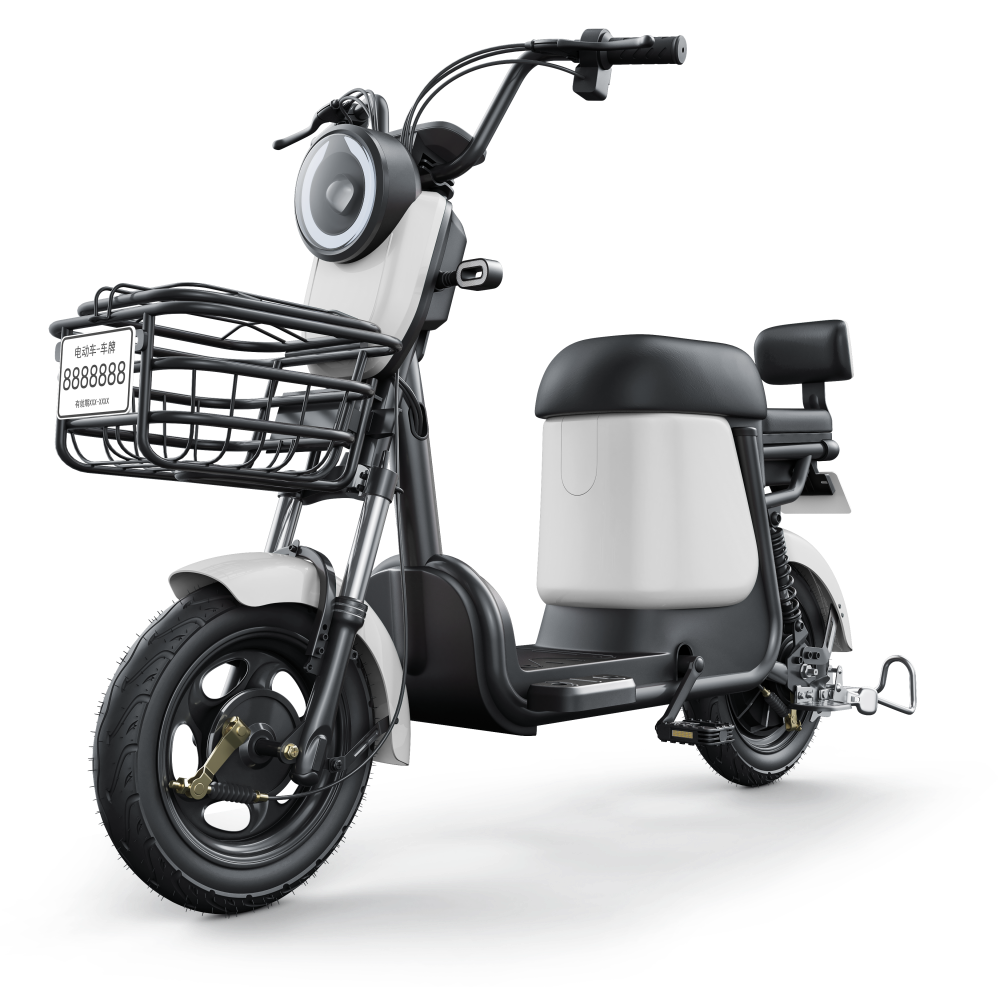
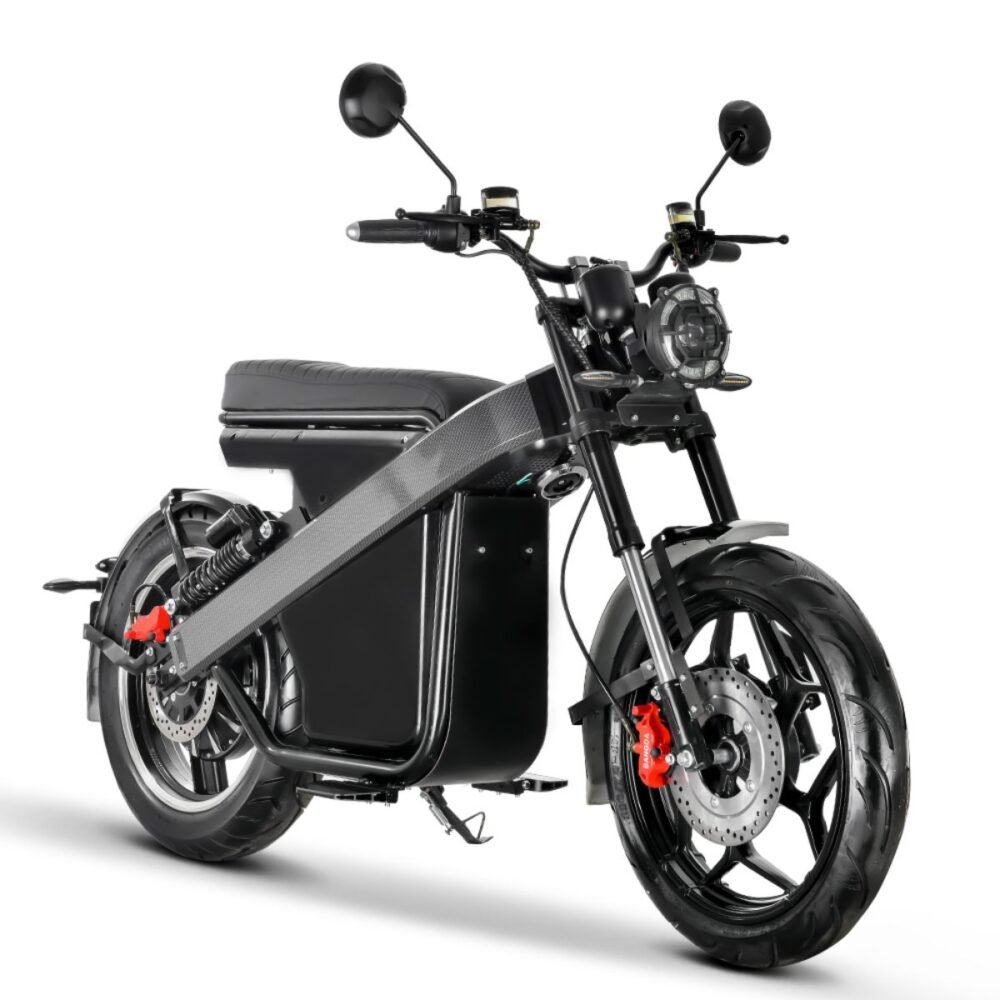
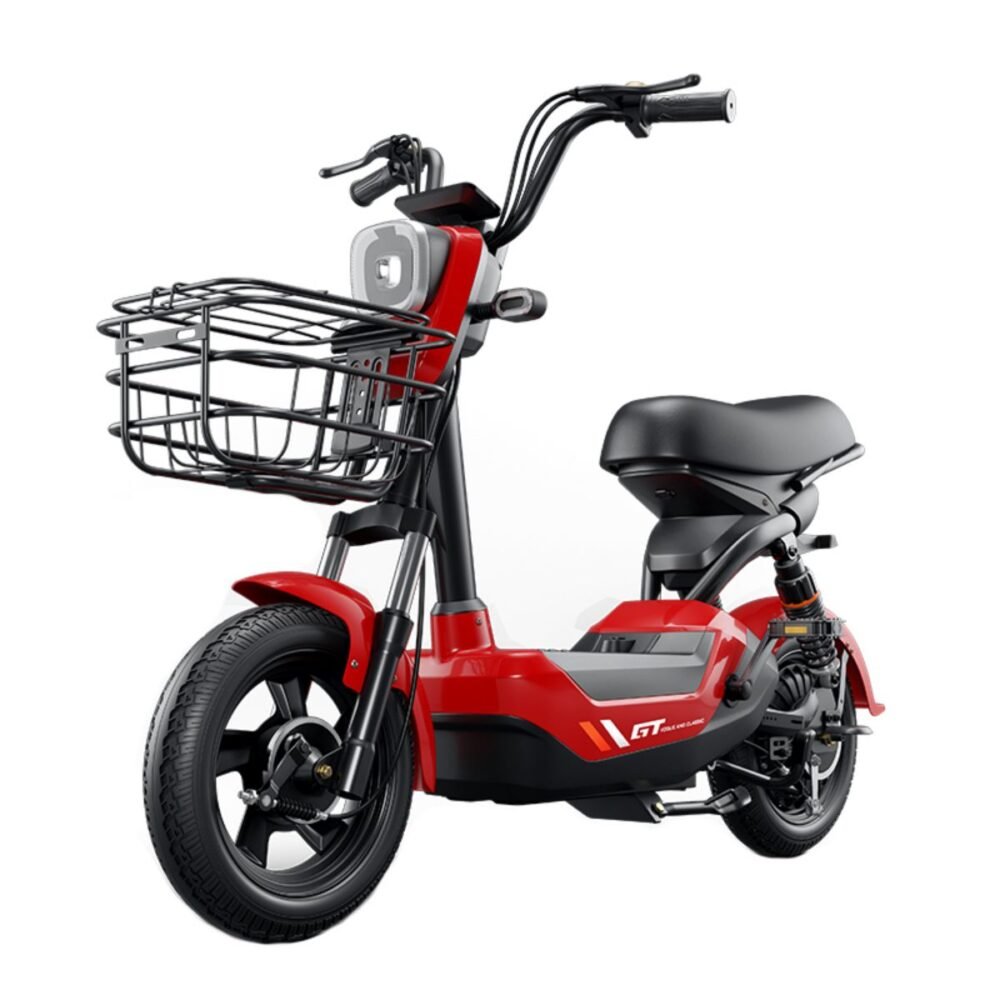
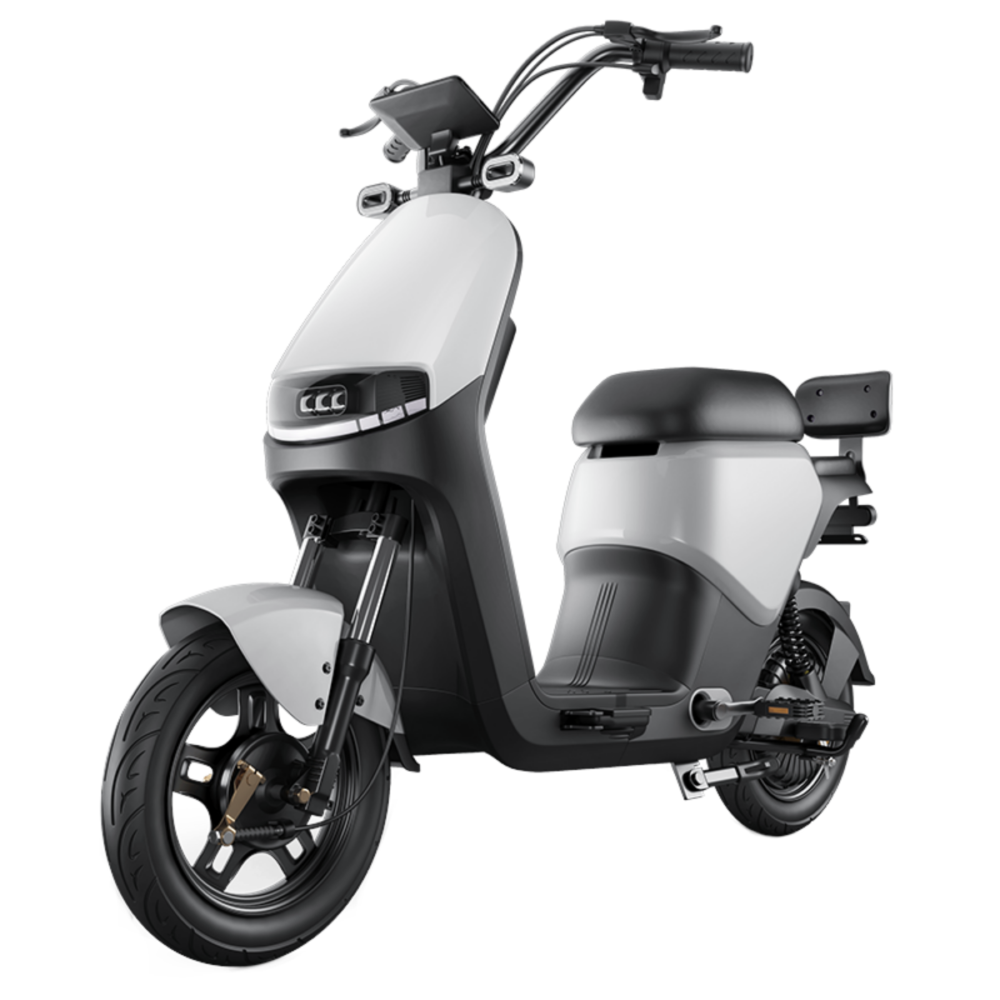
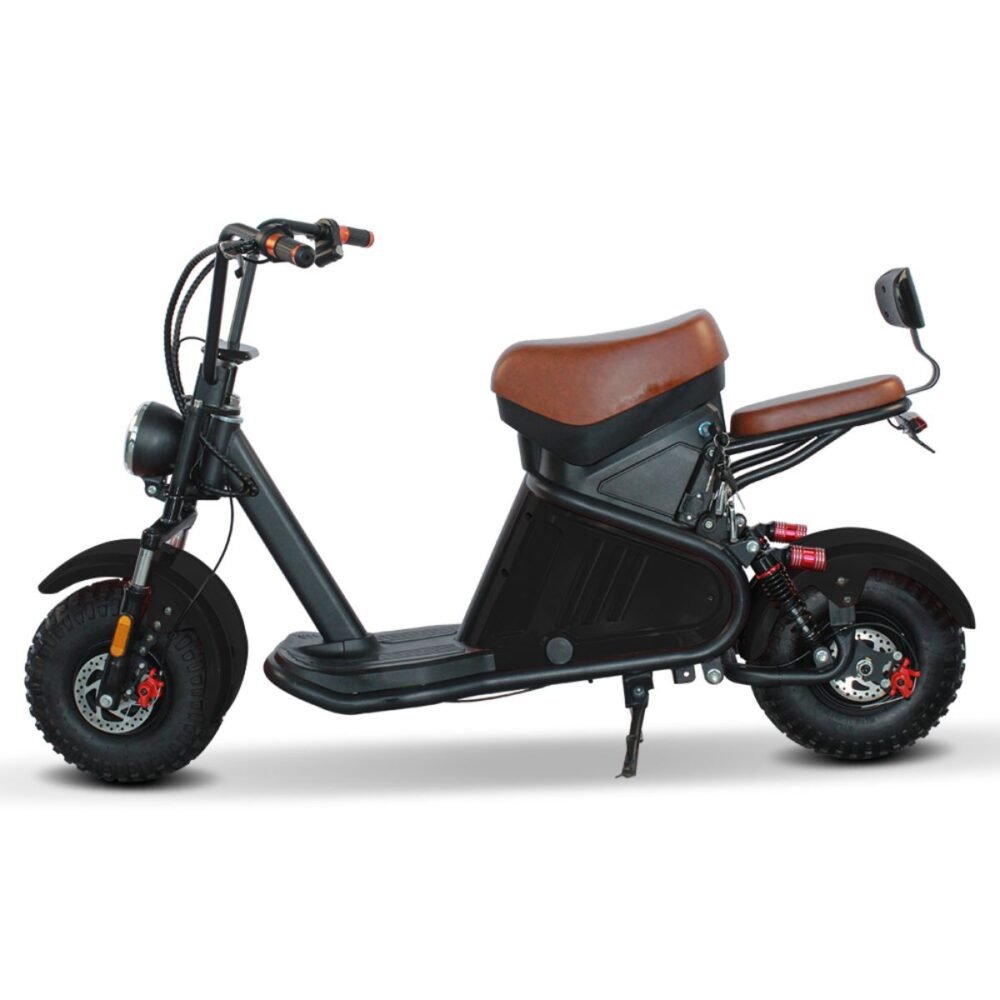

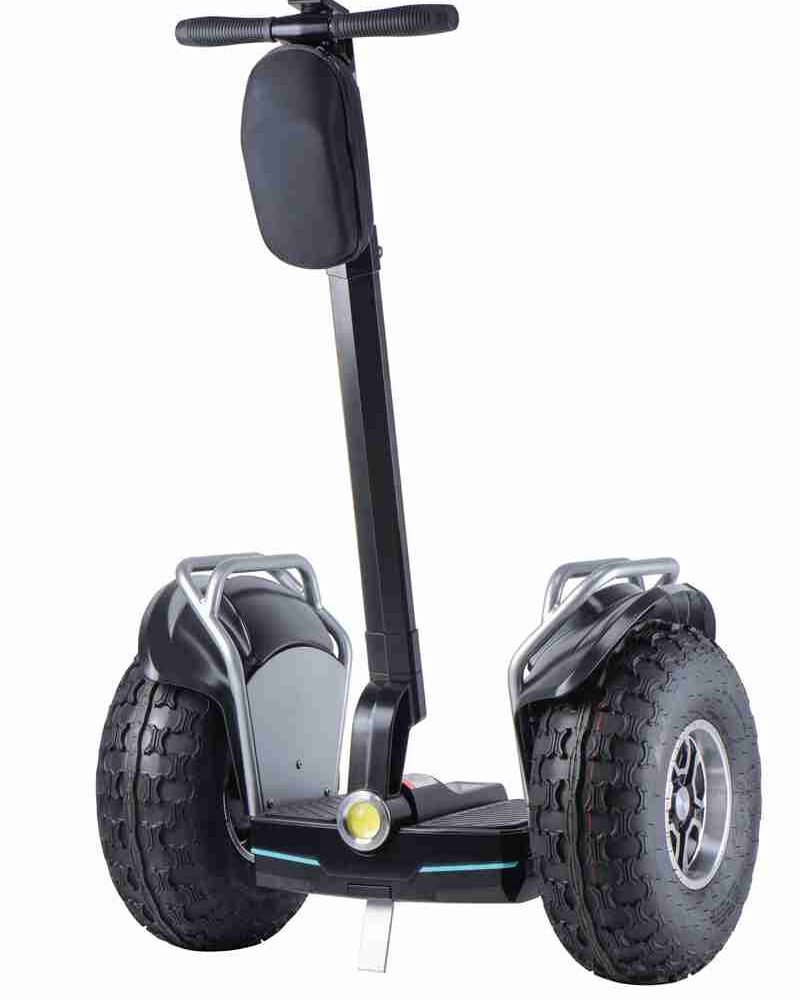

- motorcycle scooter
1500W 2000W 3000W 5000W Electric Motorcycles liideway manufacturer
- motorcycle scooter
2 wheel Electric Motorcycles liideway manufacturer
- motorcycle scooter
2 wheels self balancing scooter
- motorcycle scooter
2 wheels Self balancing Scooter for Adults
- motorcycle scooter
2-wheel scooter electric self balancing
- motorcycle scooter
2-wheel scooter self balancing
- motorcycle scooter
2000W Electric Motorcycles liideway manufacturer
- motorcycle scooter
2025 Electric Motorcycles 1500W 2000W 3000W 5000W liideway manufacturer
- motorcycle scooter
2025 Electric Motorcycles 2 wheel liideway manufacturer
- motorcycle scooter
2025 Electric Motorcycles 2025 liideway manufacturer
- motorcycle scooter
2025 Electric Motorcycles 2026 liideway manufacturer
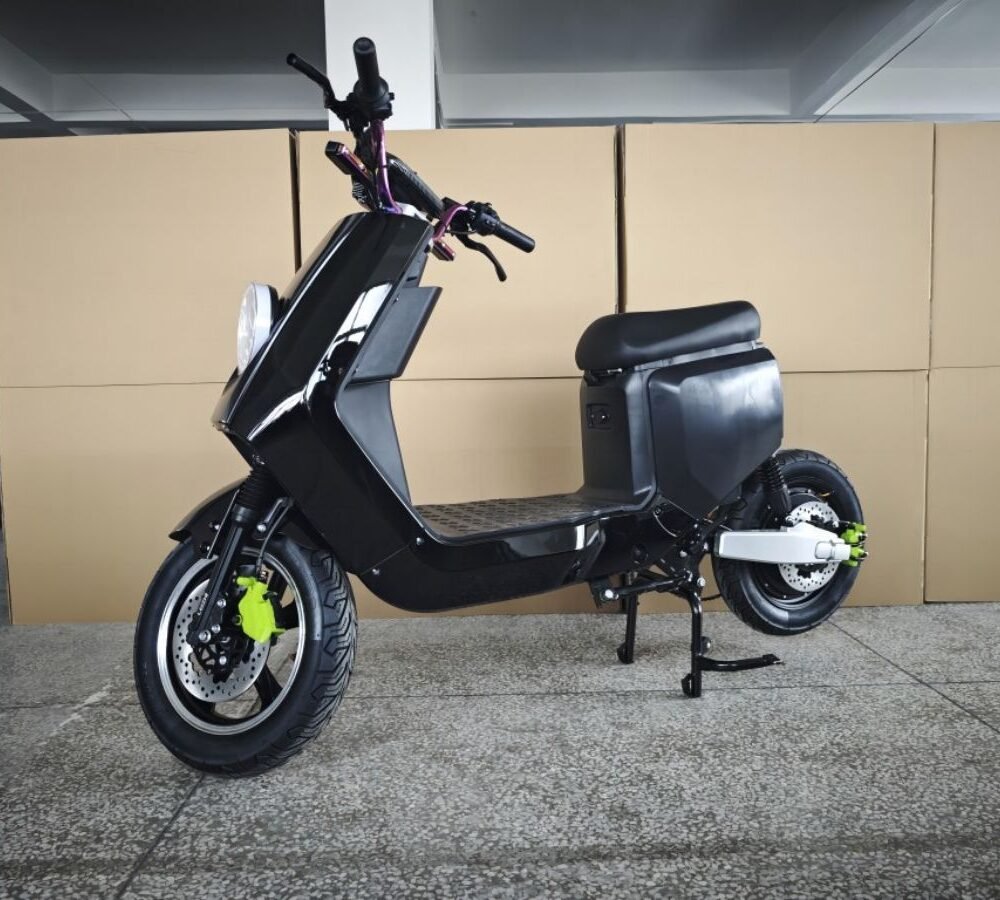


- ATV scooter
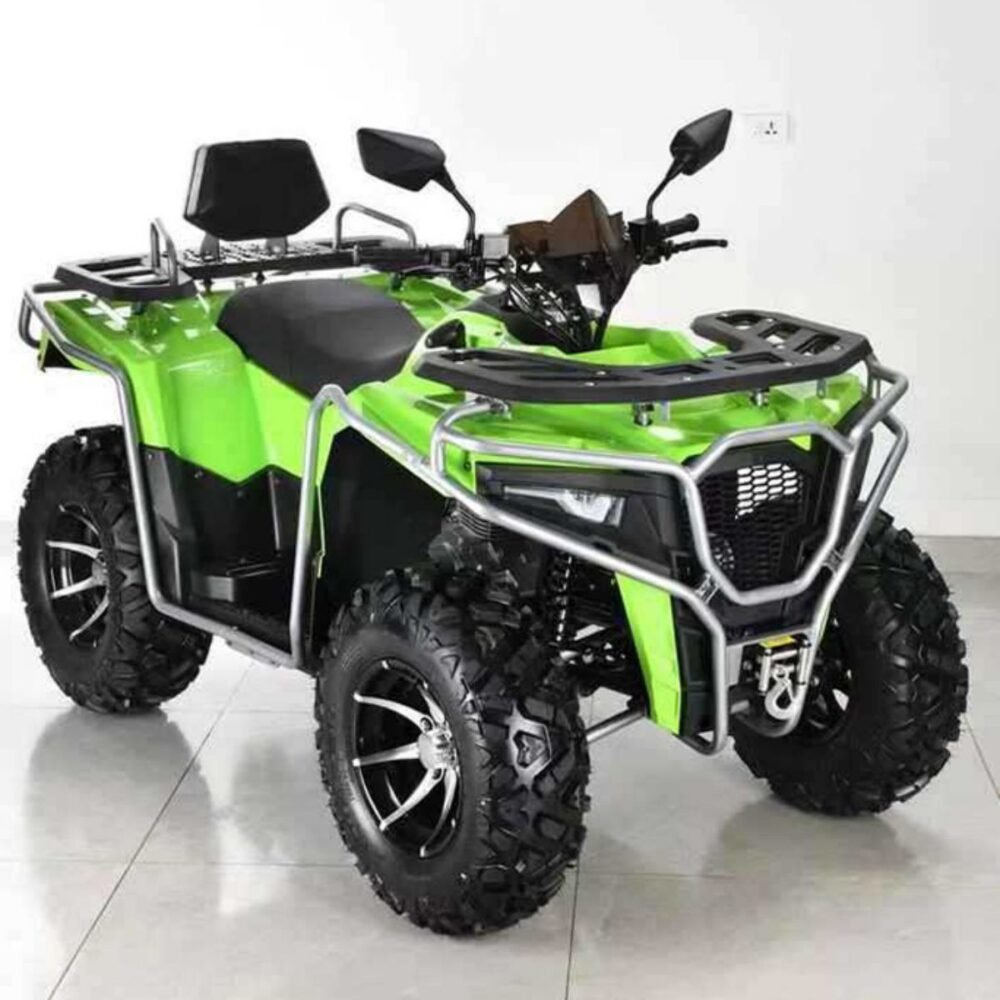
250cc Electric ATV liideway250
- ATV scooter
ATV electric motorcycle liideway HM-1
- ATV scooter
Electric ATV Scooter liideway 260
- ATV scooter
High-Power Electric Scooter liideway270
- ATV scooter
Shop Self-Balancing Scooters
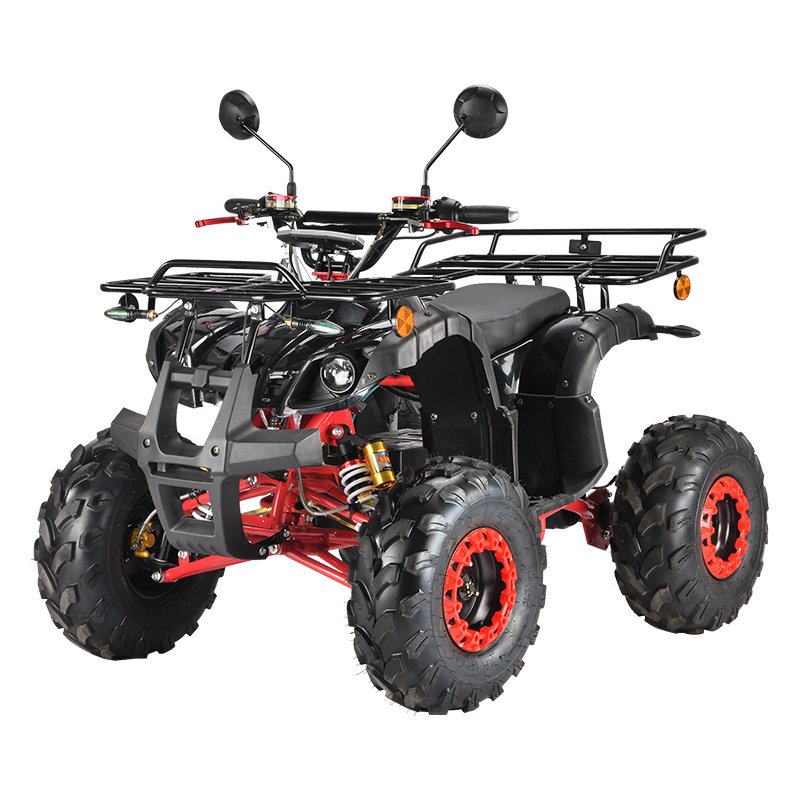

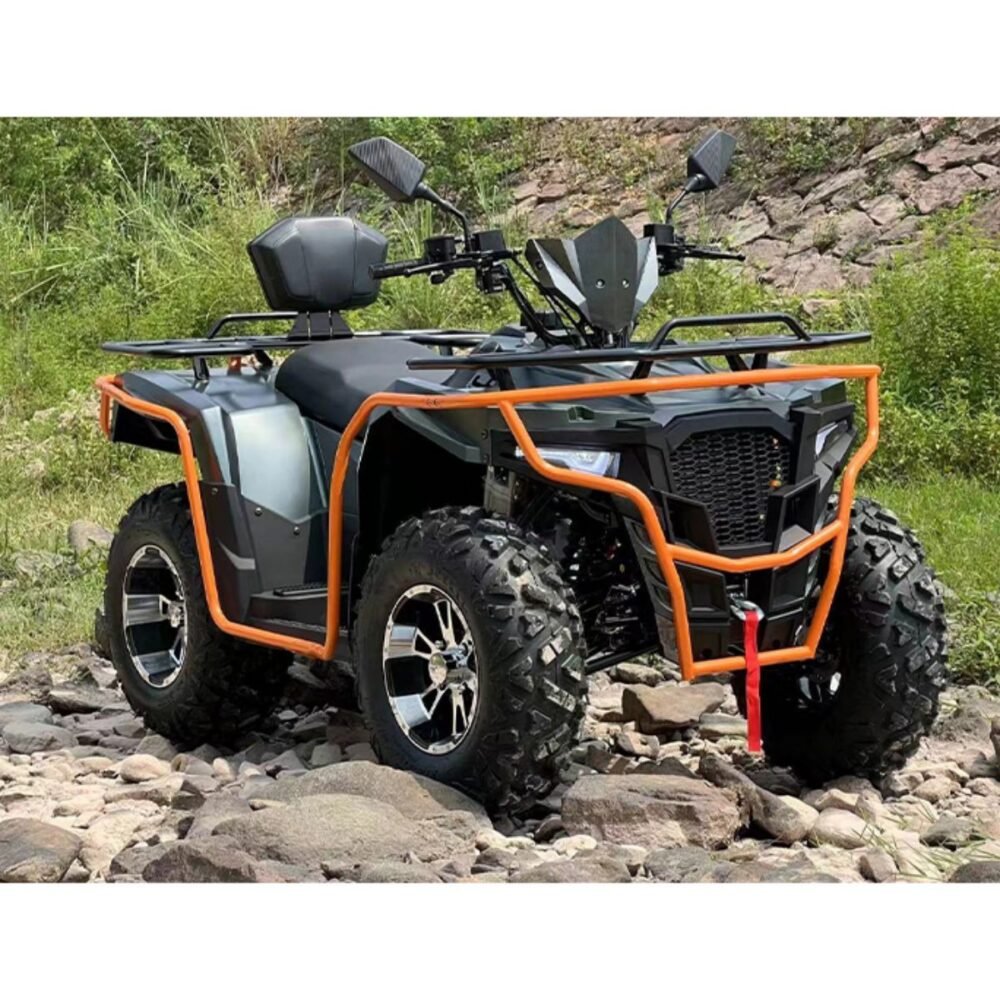
-
EEC scooter
Chopper Scooter for Adults liideway S8
-
EEC scooter
CityCoco bike liidewayL9
-
EEC scooter
CityCoco double motor liideway HM-7
-
EEC scooter
CityCoco for sale liideway M3max
-
EEC scooter
citycoco scooter liideway C1
-
EEC scooter
CityCoco speed liideway HM3
-
EEC scooter
Electric chopper bike for adults liideway RS09
-
EEC scooter
Electric chopper liideway T8 (EEC)
-
EEC scooter
Electric two-wheeler Harley RS06
-
EEC scooter
Electric Vehicle liideway L16
-
EEC scooter
Harley e-scooter liideway M3EEC
-
EEC scooter
Harley electric scooter range liieway HR6EEC
- EEC scooter
Chopper Scooter for Adults liideway S8
- EEC scooter
CityCoco bike liidewayL9
- EEC scooter
CityCoco double motor liideway HM-7
- EEC scooter
CityCoco for sale liideway M3max
- EEC scooter
citycoco scooter liideway C1
- EEC scooter
CityCoco speed liideway HM3
- EEC scooter
Electric chopper bike for adults liideway RS09
- EEC scooter
Electric chopper liideway T8 (EEC)
- EEC scooter
Electric two-wheeler Harley RS06
- EEC scooter
Electric Vehicle liideway L16
- EEC scooter
Harley e-scooter liideway M3EEC
- EEC scooter
Harley electric scooter range liieway HR6EEC
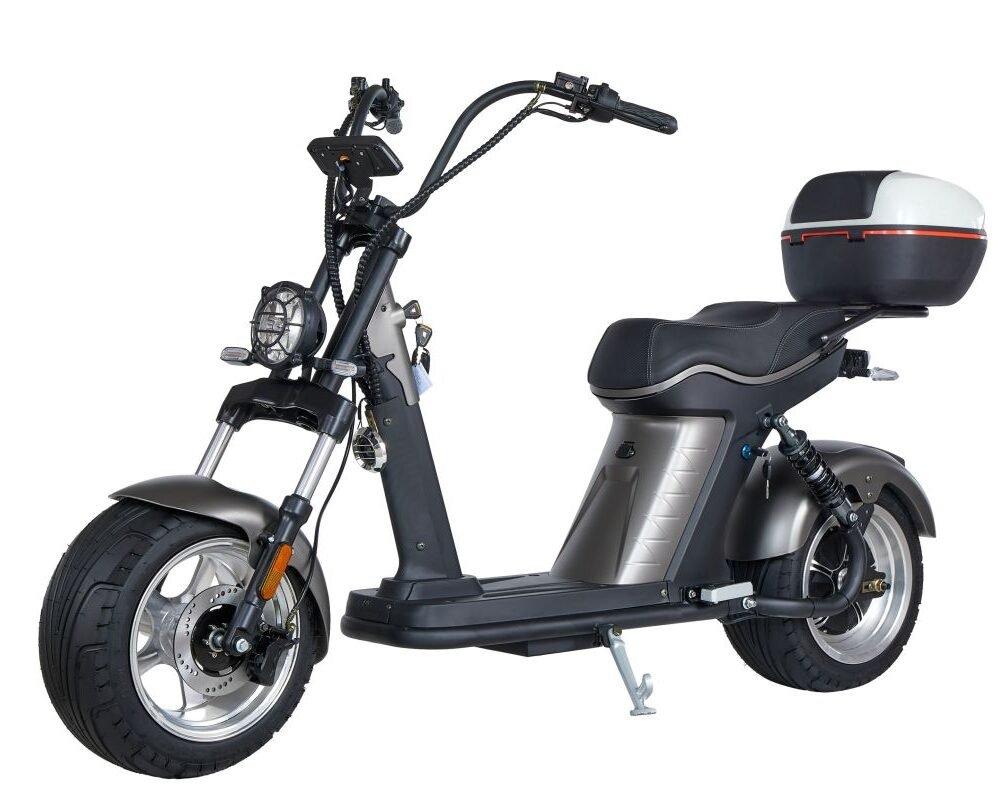
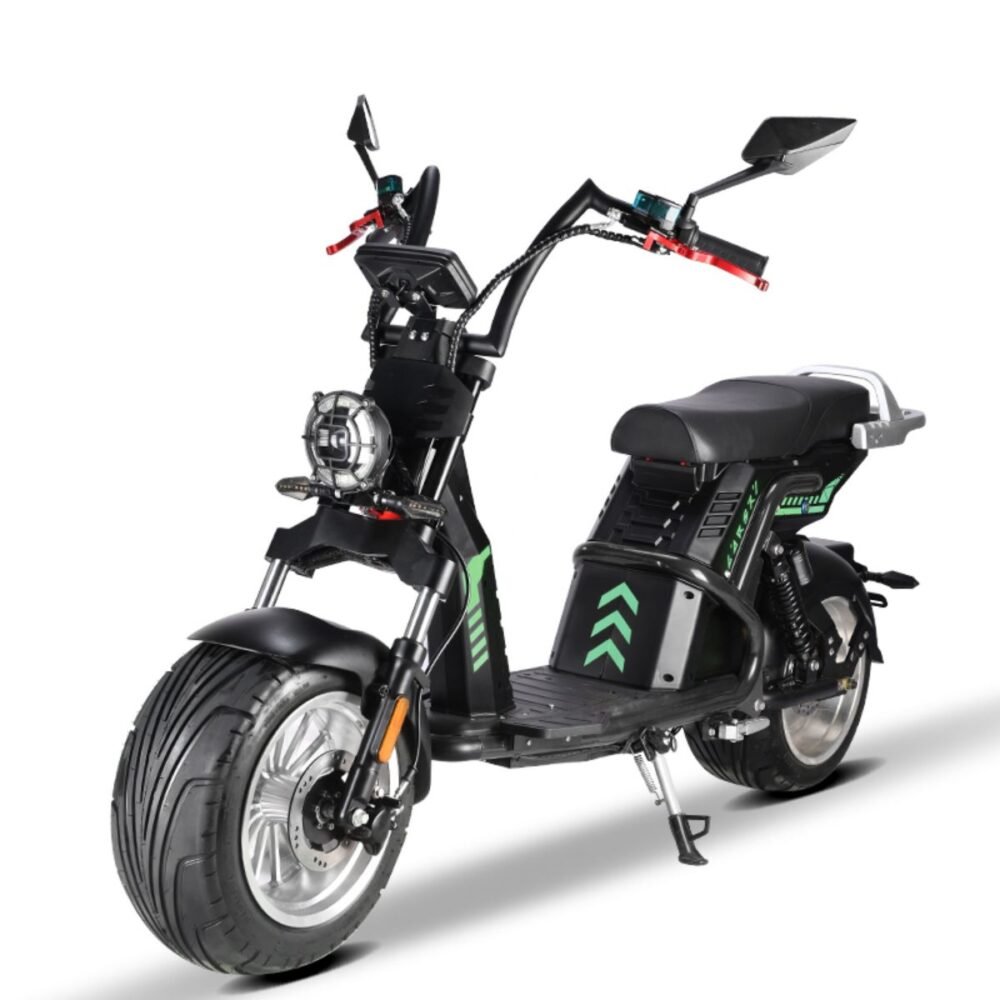

www.liideway.com
www.leadwaycn.com
www.prxel.com
www.elctrs.com
www.mdcem.com
www.elxpros.com
www.fame5.com
www.myqex.com
www.liidewayscooter.com
www.bikesscooter.com
www.scootersbike.com
www.rilla.com.cn
www.imovingon.com
www.goocycle.com
www.igoofast.com
www.scooterelectric.cn
www.bikeelectric.cn
Discover the innovative world of Segway scooters, a revolutionary mode of personal transportation featuring advanced self-balancing technology. Learn about their unique design, benefits, and the science behind their stability, making them an ideal choice for urban commuting and recreational rides. Despite their advantages, it’s essential to understand the limitations and maintenance required for safe operation. Unlock the potential of self-balancing scooters in transforming urban mobility and enhancing your riding experience with ease and confidence.
Are Segway Scooters Self-Balancing? Understanding the Technology Behind Them
Introduction to Segway Scooters
Segway scooters represent a significant innovation in personal transportation, allowing users to navigate urban environments with ease and efficiency. The core of Segway technology lies in its unique self-balancing capability, which distinguishes these scooters from traditional two-wheeled vehicles. Unlike standard scooters, which require manual balance and stability, Segway scooters utilize advanced sensors and gyroscopic technology to maintain equilibrium, providing an intuitive riding experience.
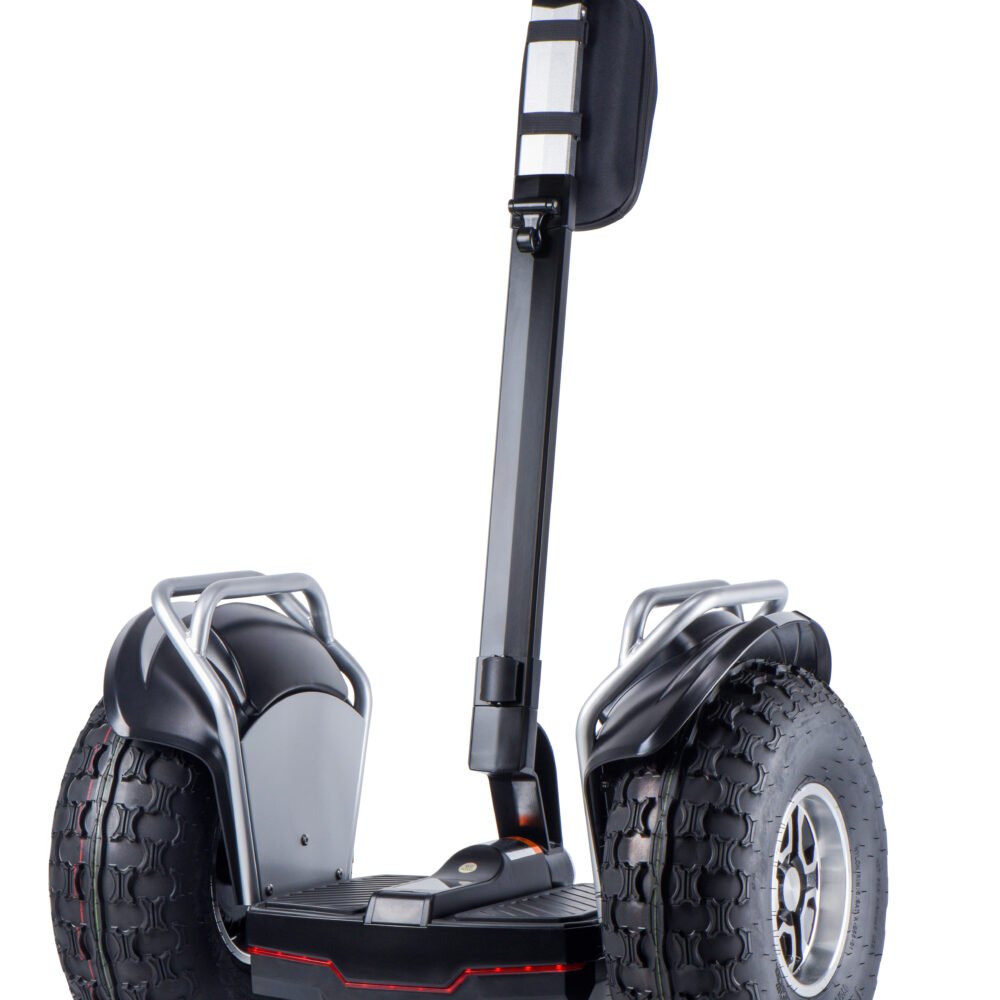
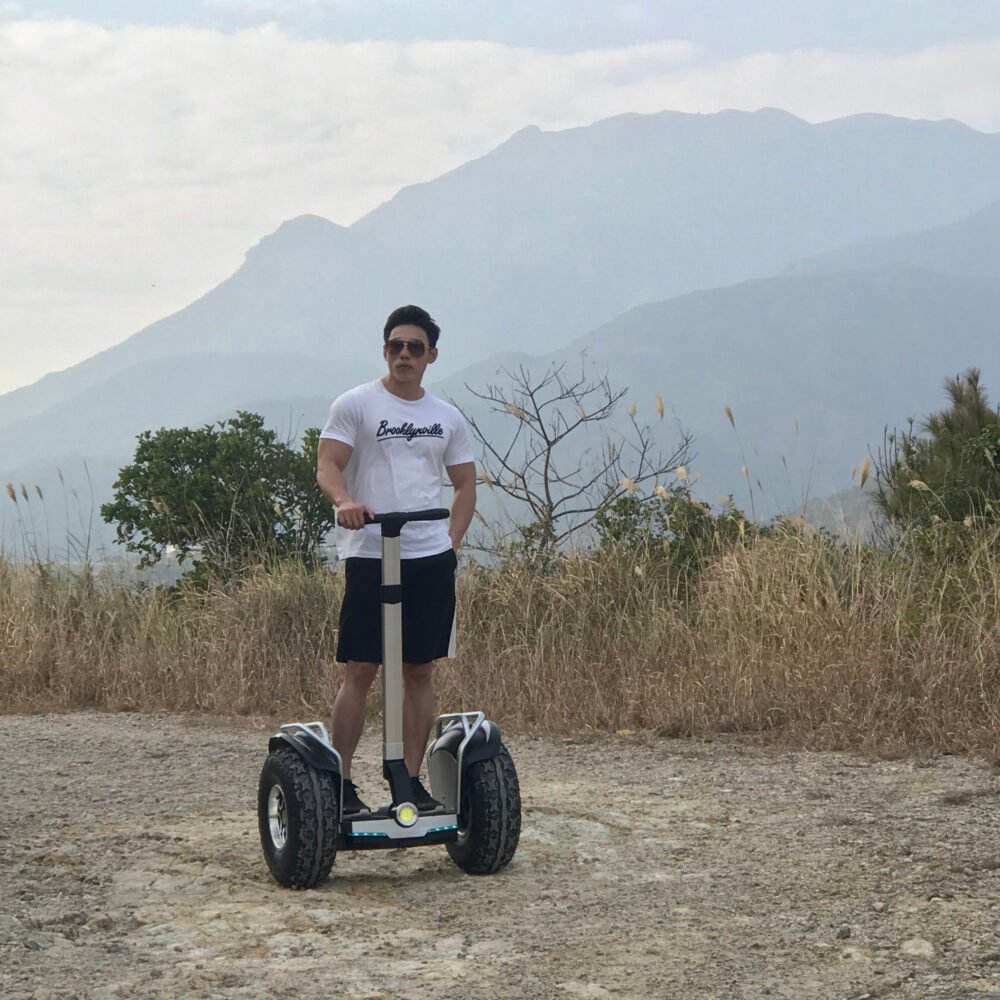
The design of Segway scooters is both ergonomic and functional. Typically, these scooters consist of a platform for the rider to stand on, two parallel wheels, and a handlebar for steering. The framework is designed to distribute weight evenly, which is crucial for the self-balancing mechanism to operate effectively. When the user shifts their weight forward or backward, the onboard sensors detect these movements and automatically adjust the scooter’s orientation to maintain balance.
At the heart of this technology is an array of accelerometers and gyroscopes that constantly monitor the rider’s center of gravity. The feedback from these sensors is processed by sophisticated algorithms, allowing the scooter to react in real-time. This combination of sensors and computing power not only facilitates smooth acceleration and braking but also enhances safety by preventing falls. Furthermore, the self-balancing feature enables users to focus on their surroundings rather than worrying about maintaining balance, akin to riding a bicycle but without the need for constant pedaling.
Overall, Segway scooters exemplify the convergence of technology and convenience, revolutionizing personal transport modes. Their unique mechanics and self-balancing technology pave the way for a new era of mobility, contrasting sharply with the limitations of traditional scooters and fostering alternative options for commuters and recreational riders alike.
The Science of Self-Balancing Technology
Self-balancing technology is at the heart of Segway scooters, enabling them to maintain equilibrium and respond intuitively to rider movements. This technology primarily relies on an intricate network of sensors, gyroscopes, and accelerometers that work together to provide real-time balance adjustments. At the core of this system is the gyroscope, which measures orientation and rotational motion. It senses changes in the scooter’s position and sends that data to the onboard computer. This allows the scooter to determine whether it is leaning forward, backward, or side to side.
Complementing the gyroscopes are accelerometers, which measure linear acceleration. These devices provide critical information about the scooter’s speed and directional movement. By integrating data from both the gyroscopes and accelerometers, the scooter’s control system can effectively gauge its status and make minute adjustments to keep the rider upright. For instance, if a rider leans forward, the system detects the shift and instructs the motors to move the scooter forward in order to compensate for the tilt.
The algorithms and programming that underpin self-balancing scooters are what ultimately allow these devices to respond dynamically to the user’s actions. Sophisticated control algorithms analyze the data from sensors and determine the most appropriate response to maintain stability. These algorithms are continually fine-tuned to enhance performance, allowing for a smoother and more responsive experience. As a result, the interplay of sensors, computational algorithms, and motor control creates an advanced self-balancing mechanism that makes riding a Segway scooter not just practical, but also intuitive and enjoyable.
Benefits of Self-Balancing Segway Scooters
Self-balancing Segway scooters have surged in popularity due to their innovative technology and numerous advantages. One of the most notable benefits is their ease of use. Unlike traditional scooters or motorcycles that require extensive training, self-balancing scooters are designed for quick adaptation, allowing new users to become proficient with minimal instruction. The intuitive design responds to the rider’s movements, making it simple to accelerate, decelerate, and navigate turns with little effort.
Moreover, the ability to learn quickly is a significant advantage, particularly for individuals who may not have prior experience with similar vehicles. The self-balancing feature provides added confidence to users, diminishing the fear of falling or losing control. This is especially appealing for younger riders, commuters, and individuals in urban settings who wish to enhance their mobility without the complexity often associated with operating traditional two-wheeled vehicles.
Another compelling aspect of self-balancing Segway scooters is their enhanced stability compared to conventional scooters. The technology employed in these scooters allows for automatic adjustments based on the rider’s posture and movements, which translates to smoother rides and improved safety. Users are less likely to face instability issues, making commuting and leisure riding more enjoyable.
The applications of self-balancing scooters in urban mobility cannot be overstated. They serve as effective solutions for short commutes, helping to alleviate urban congestion and reduce the reliance on cars. Similarly, these scooters are increasingly utilized for leisure activities, allowing individuals to explore urban spaces in a fun and engaging manner. As cities continue to evolve, self-balancing scooters are poised to play a pivotal role in modern transportation solutions, promoting sustainability and accessibility.
Limitations and Considerations segway gt2 scooter
While self-balancing Segway scooters offer innovative solutions for personal transportation, they come with specific limitations and considerations that users should understand. One significant aspect is safety. Although these scooters are designed to maintain balance, they are not infallible. Environmental factors such as wet or uneven surfaces can affect stability. Users must exercise caution in such scenarios, understanding that abrupt stops and turns can lead to falls or accidents.
Another critical consideration is the maintenance required for these scooters. Regular inspections and upkeep are necessary to ensure that the self-balancing technology operates effectively. Key components such as batteries, sensors, and motors require periodic checks to avoid malfunctions that could adversely affect performance. Neglecting maintenance not only poses safety risks but can also lead to costly repairs and reduced lifespan of the scooter.
Additionally, potential users should be aware of the learning curve associated with operating a self-balancing Segway scooter. While many individuals may adapt quickly, others might require additional time to gain proficiency in handling the device, particularly when navigating crowded areas or varying terrain. New users should engage in practice sessions under controlled conditions before venturing into more complex environments.
Moreover, self-balancing technology may not be optimal in all situations. Riders may encounter difficulties on steep inclines or loose gravel, where stability is compromised. Understanding these limitations can help avoid frustrations during usage. Furthermore, as technology evolves, advancements in self-balancing mechanisms may address some of these challenges, potentially leading to enhanced performance and greater user satisfaction in the future.


Reviews
There are no reviews yet.