📧 Email: scooter1@leadwaycn.com 📞 Whatsapp/Tel: +8613480102329
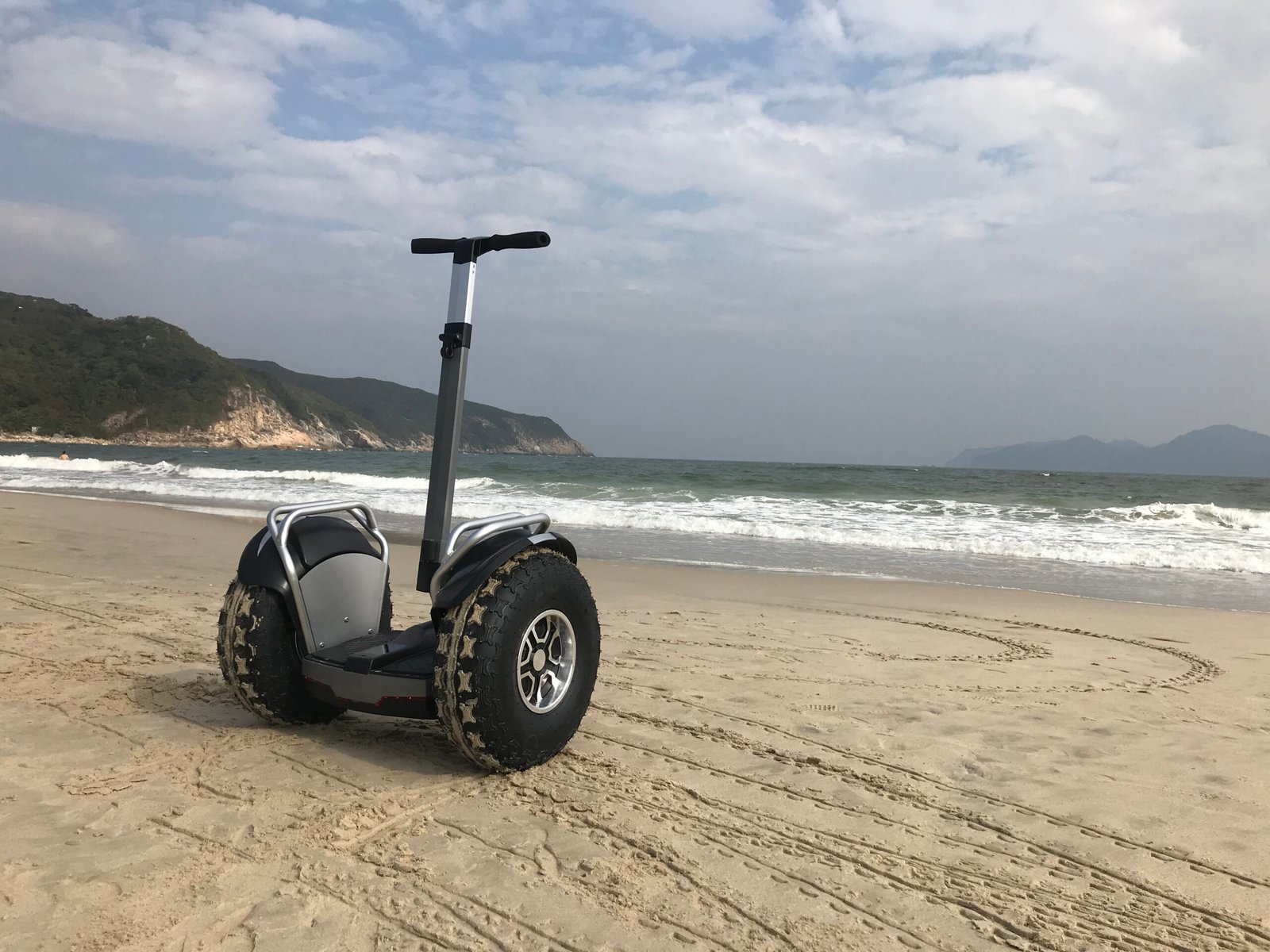
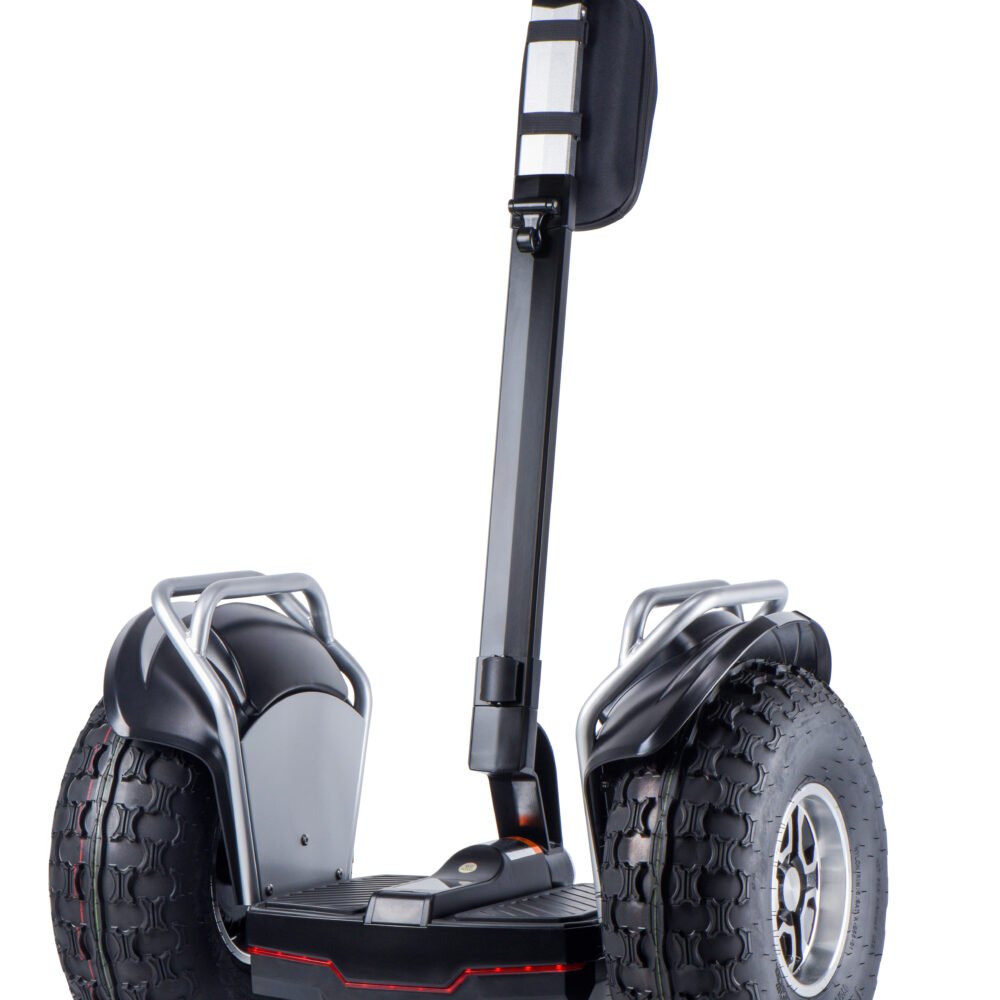
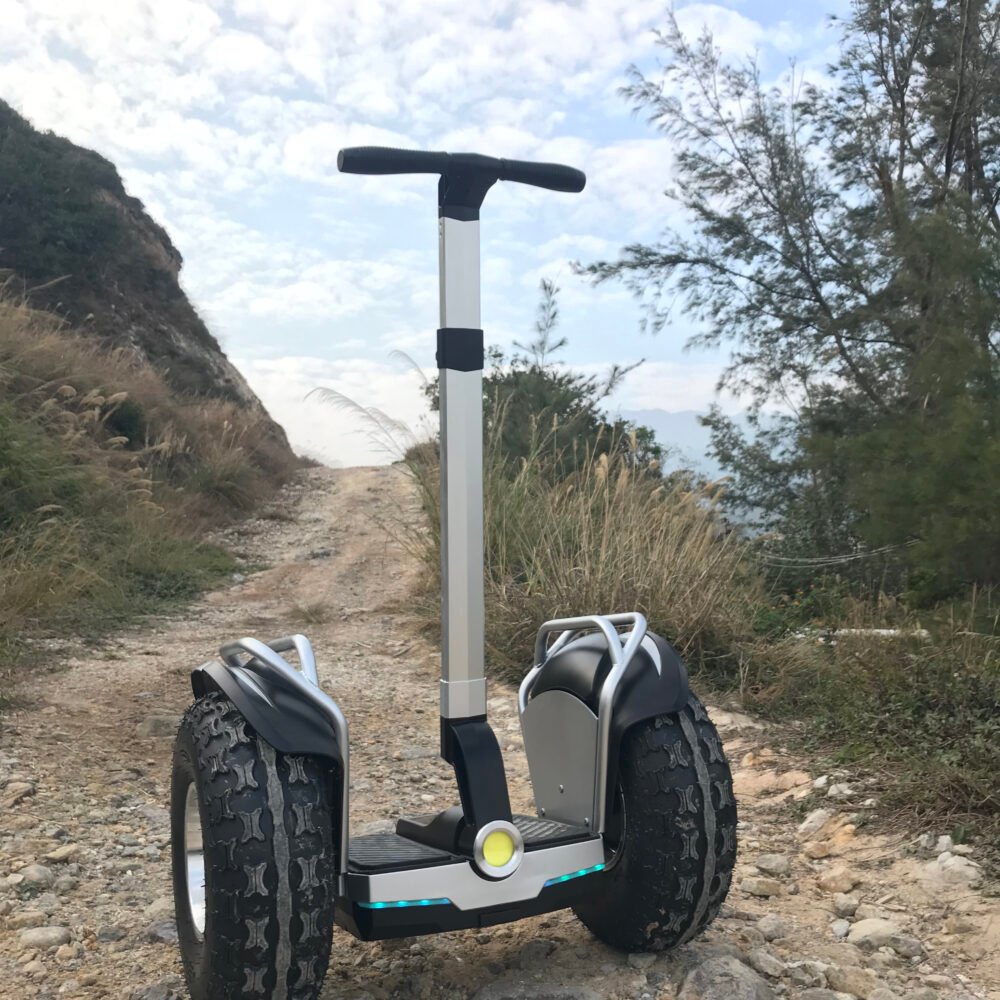
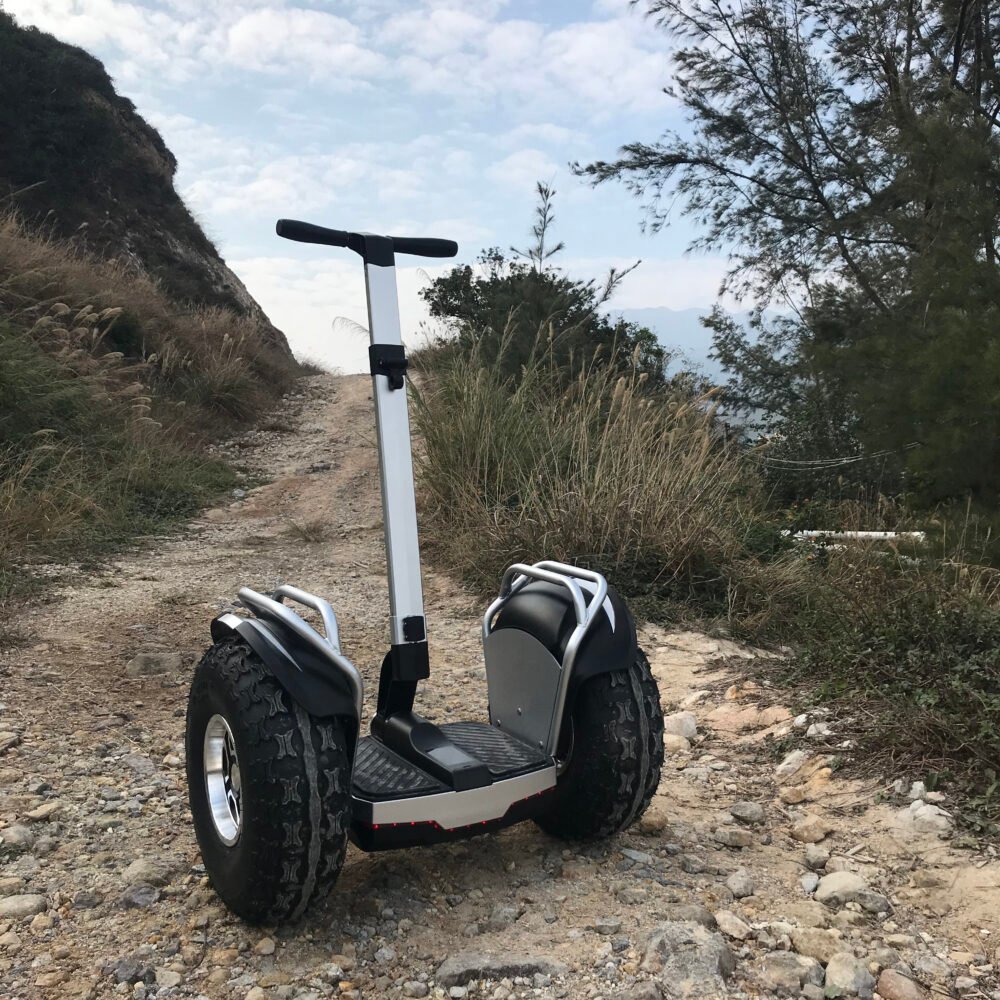
W5 | W5L | |
Main Material | Magnesium Alloy+Aluminum Alloy+ABS +Rubber | Magnesium Alloy+Aluminum Alloy+ABS +Rubber |
Max Speed | 20KM/H | 20KM/H |
Max Mileage | 35-40KM | 75-80KM |
Max Load | 150KG | 150KG |
Min Turning Radius | 0° | 0° |
Max Climbing | ≤35° | ≤35° |
Height of Pedal | 220mm | 220mm |
Max Height of Ground | 125mm | 125mm |
Tire Size | 20inch | 20inch |
Standard Pressure | 15 PSI or 1.0 bar or 105 kpa | 15 PSI or 1.0 bar or 105 kpa |
Long*Width*High | 488*836*1080-1480mm (Adustable) | 488*836*1080-1480mm (Adustable) |
Net Weight | 39.6KG | 41.2KG |
Gross Weight | 50.3KG | 52.3KG |
Packing Size | 91*52*63CM | 91*52*63CM |
Working Tamnosnt | -10-+40℃ | -10-+40℃ |
Storage | -20~+50℃ | -20~+50℃ |
Waterproof | IP56 | IP56 |
Begginner Mode | Yes,set via APP | Yes,set via APP |
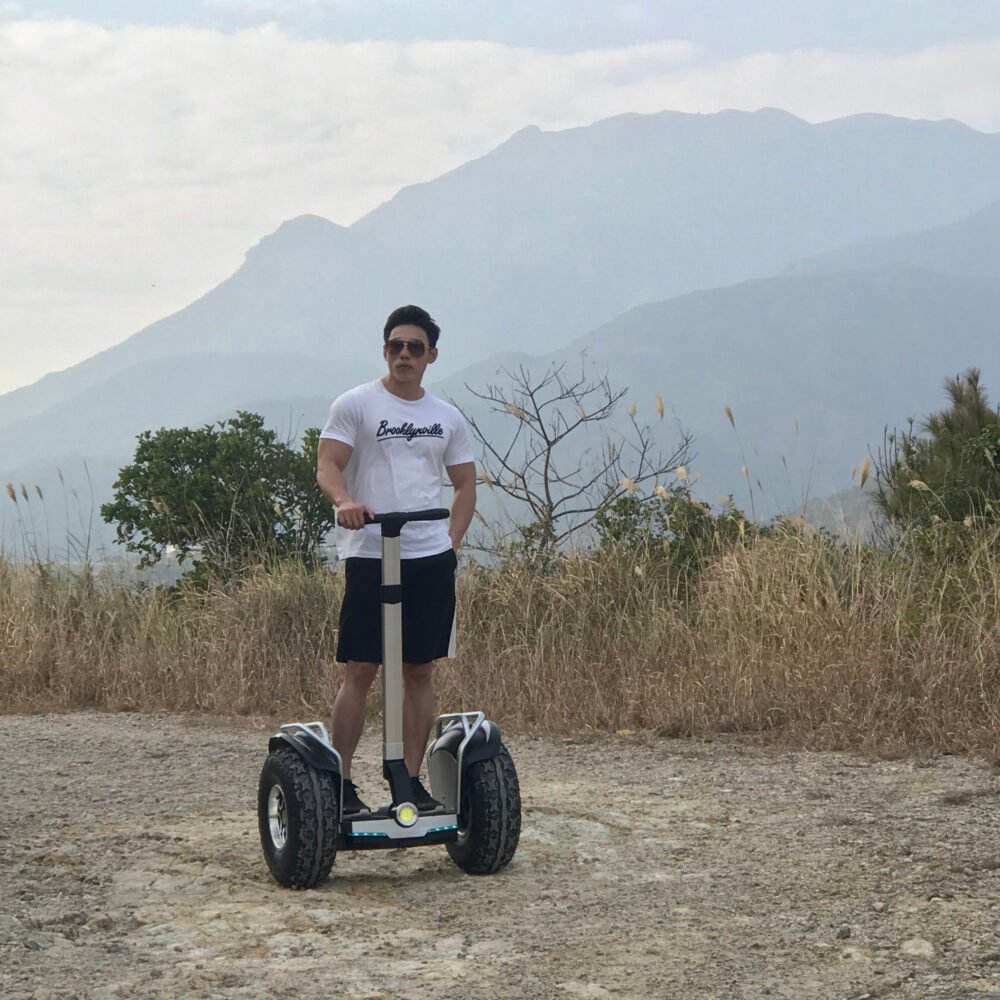
Applicable Terrain | Cement Road/Asphalt road/Grass/Gravel Road/Beach | Cement Road/Asphalt road/Grass/Gravel Road/Beach |
Certifications | CE/FCC/RoHS/MSDS/UN38.3/Air transport report/Sea transport report | CE/FCC/RoHS/MSDS/UN38.3/Air transport report/Sea transport report |
Motherboard Parameters | Dual System | Dual System |
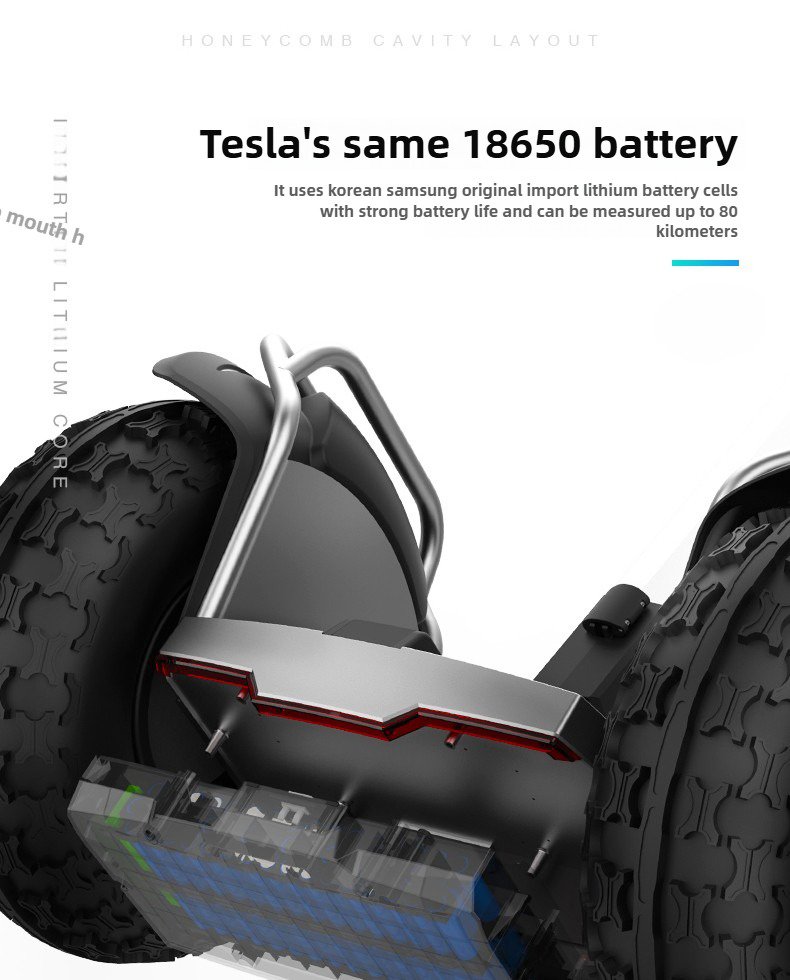
Battery | SAMSUNG 18650 Lithium Battery | SAMSUNG 18650 Lithium Battery |
Rated Voltage | 57.6V | 57.6V |
Max Charging Voltage | 67.2V | 67.2V |
Rated Capacity ( Ah) | 7.8Ah | 15.6Ah ( Dual Batteries ) |
Intelligent BMS: | Overvoltage Protection / Undervoltage Protection / Short circuit Protection/ Overheating protection,Automatic sleep / Wake | Overvoltage Protection / Undervoltage Protection / Short circuit Protection/ Overheating protection,Automatic sleep / Wake |
Motor | Brushless DC Motor | Brushless DC Motor |
Rated Power | 1500W*2=3000W | 1500W*2=3000W |
Charger Parameters | Input Voltage | 100~240V |
Output Voltage | 67.2V | 67.2V |
Output Current | 2A | 3A |
Rated Power | 120W | 120W |
Charging Time | 4-5Hour | 6-7 Hour |
Operating Mode | Standby mode/Pulling mode/Speed limit driving mode/Normal driving mode/Remote mode/Lock mode | Standby mode/Pulling mode/Speed limit driving mode/Normal driving mode/Remote mode/Lock mode |
Display Panel | 6.5inch OLED Display/Battery/Speed/Mileage/ Lamp/Lock/Bluetooth | 6.5inch OLED Display/Battery/Speed/Mileage/ Lamp/Lock/Bluetooth |
light | Front lamp/Ambient light/Left/Right turn light /Brake light/Backup Light | Front lamp/Ambient light/Left/Right turn light /Brake light/Backup Light |
Wireless Connections | Bluetooth | Bluetooth |
APP | Yes | Yes |
Voice | Yes | Yes |
USB Charging | Yes (5V/1A) | |
Bluetooth Music | Yes | |
Colour | Black / White / Silver / Space gray | Black / White / Silver / Space gray |
Front Bag | Option | Option |
Knee Pad+Helmet | Option | Option |
Container Qty. | 20GP: 102pcs/40HQ:236pcs | 20GP: 102pcs/40HQ:236pcs |
-
mini motorcycle
Electric Bike liideway FT
-
mini motorcycle
Electric Commuter Bike liideway L1
-
mini motorcycle
Electric Motorbike liideway Q8
-
mini motorcycle
Electric scooter Harley liideway RS05
-
mini motorcycle
Electric Sportbike liideway X131
-
mini motorcycle
Electric vehicle (EV) scooter liideway XT1
-
mini motorcycle
Harley-Davidson eco-friendly scooter RS08 (MINI)
-
mini motorcycle
Harley-Davidson EV scooter RS07
-
ATV scooter
Shop Self-Balancing Scooters
- mini motorcycle
Electric Bike liideway FT
- mini motorcycle
Electric Commuter Bike liideway L1
- mini motorcycle
Electric Motorbike liideway Q8
- mini motorcycle
Electric scooter Harley liideway RS05
- mini motorcycle
Electric Sportbike liideway X131
- mini motorcycle
Electric vehicle (EV) scooter liideway XT1
- mini motorcycle
Harley-Davidson eco-friendly scooter RS08 (MINI)
- mini motorcycle
Harley-Davidson EV scooter RS07
- ATV scooter
Shop Self-Balancing Scooters
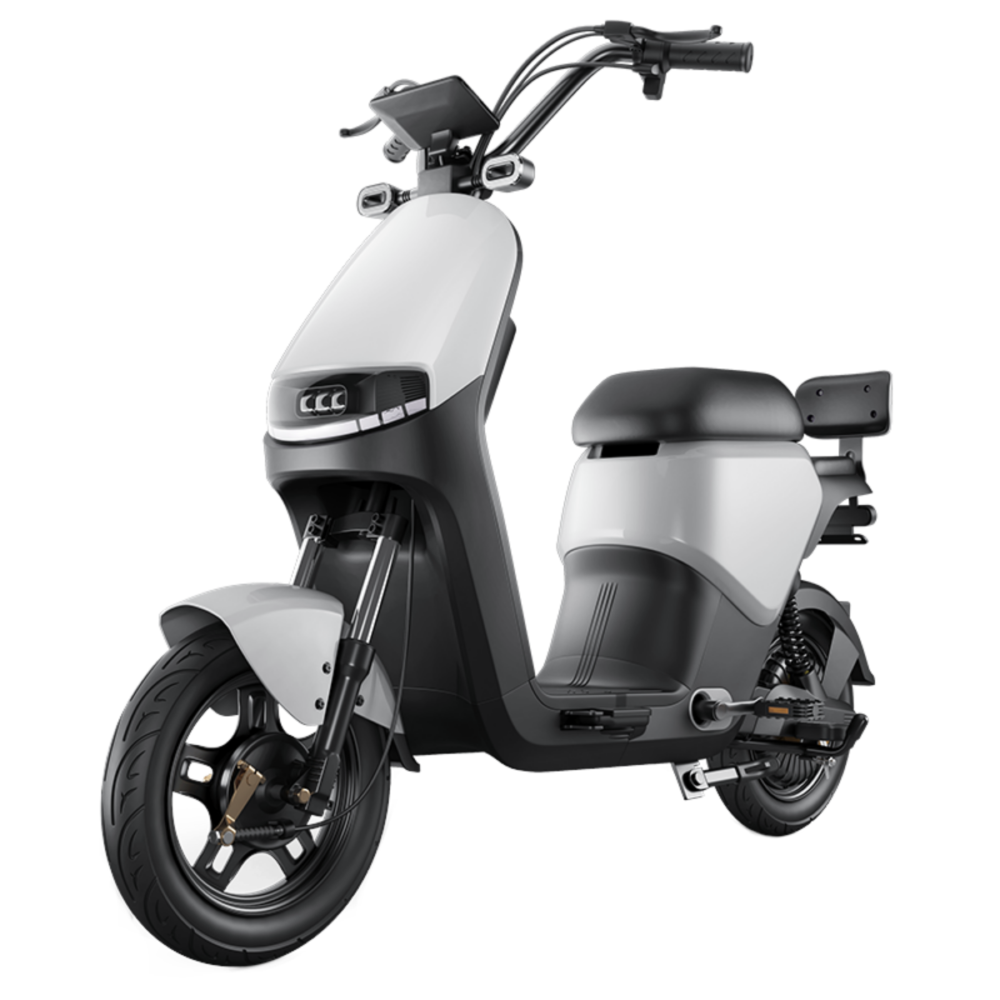
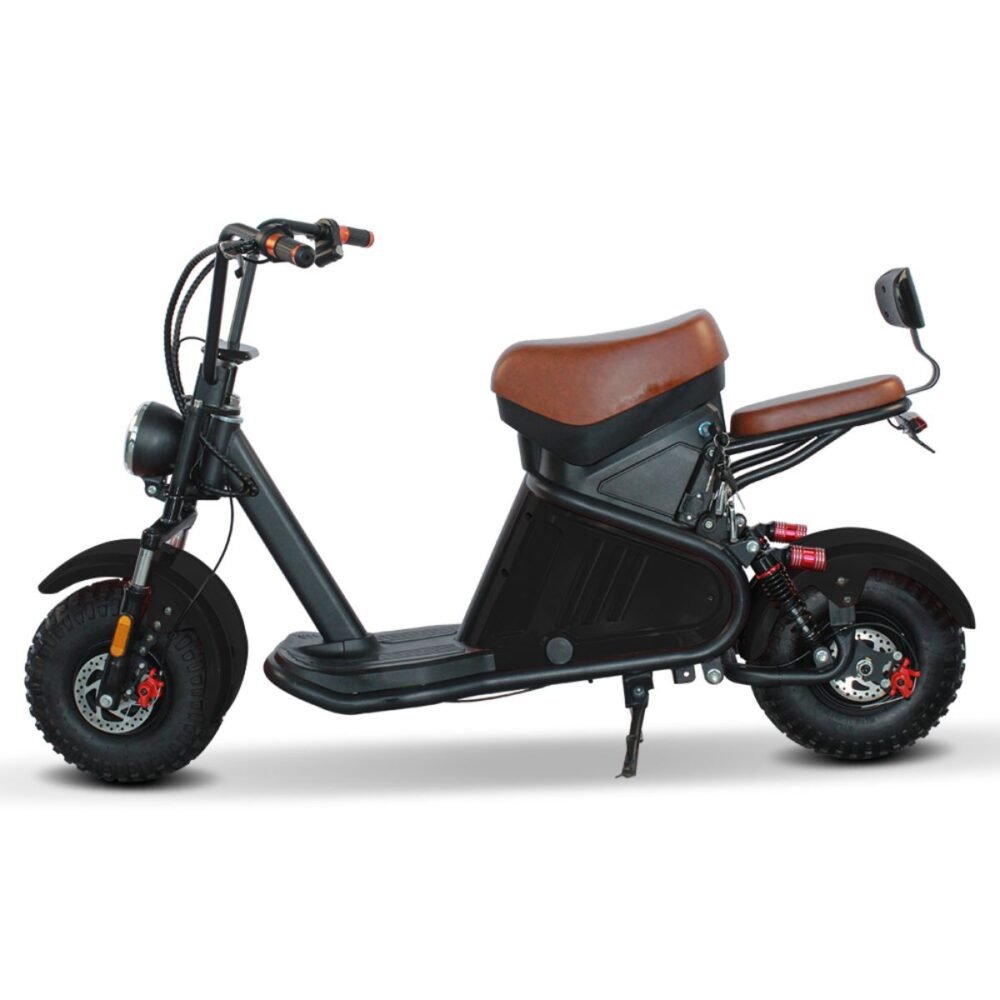

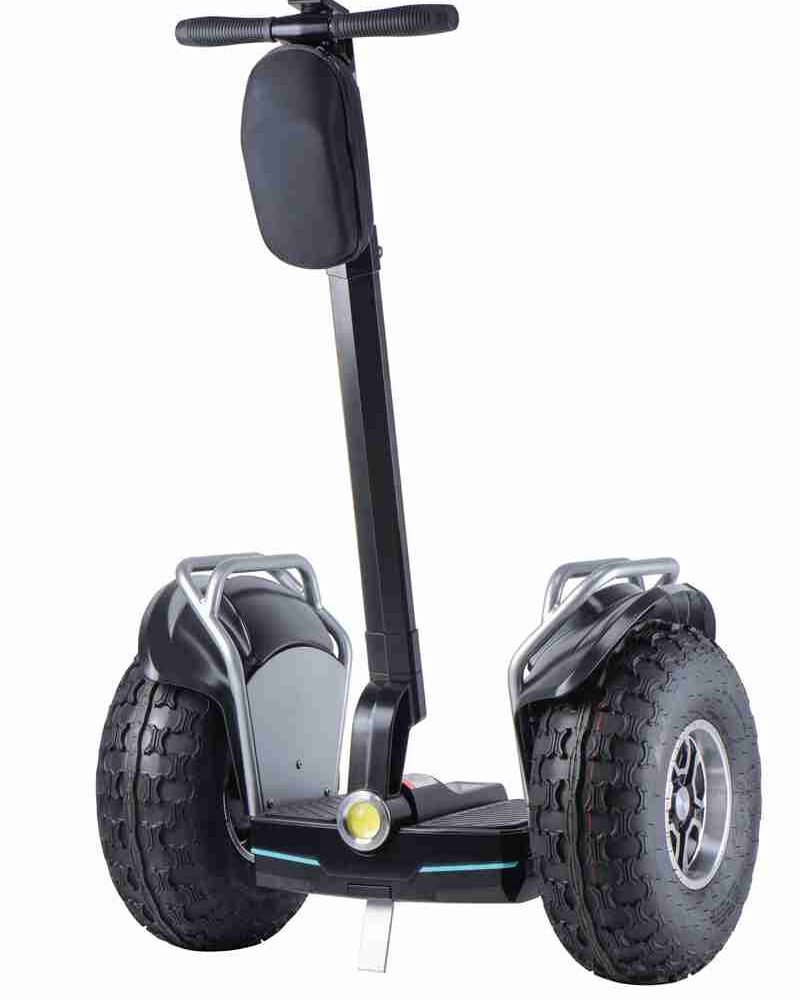

-
motorcycle scooter
1500W 2000W 3000W 5000W Electric Motorcycles liideway manufacturer
-
motorcycle scooter
2 wheel Electric Motorcycles liideway manufacturer
-
motorcycle scooter
2 wheels self balancing scooter
-
motorcycle scooter
2 wheels Self balancing Scooter for Adults
-
motorcycle scooter
2-wheel scooter electric self balancing
-
motorcycle scooter
2-wheel scooter self balancing
-
motorcycle scooter
2000W Electric Motorcycles liideway manufacturer
-
motorcycle scooter
2025 Electric Motorcycles 1500W 2000W 3000W 5000W liideway manufacturer
-
motorcycle scooter
2025 Electric Motorcycles 2 wheel liideway manufacturer
-
motorcycle scooter
2025 Electric Motorcycles 2025 liideway manufacturer
-
motorcycle scooter
2025 Electric Motorcycles 2026 liideway manufacturer
- motorcycle scooter
1500W 2000W 3000W 5000W Electric Motorcycles liideway manufacturer
- motorcycle scooter
2 wheel Electric Motorcycles liideway manufacturer
- motorcycle scooter
2 wheels self balancing scooter
- motorcycle scooter
2 wheels Self balancing Scooter for Adults
- motorcycle scooter
2-wheel scooter electric self balancing
- motorcycle scooter
2-wheel scooter self balancing
- motorcycle scooter
2000W Electric Motorcycles liideway manufacturer
- motorcycle scooter
2025 Electric Motorcycles 1500W 2000W 3000W 5000W liideway manufacturer
- motorcycle scooter
2025 Electric Motorcycles 2 wheel liideway manufacturer
- motorcycle scooter
2025 Electric Motorcycles 2025 liideway manufacturer
- motorcycle scooter
2025 Electric Motorcycles 2026 liideway manufacturer
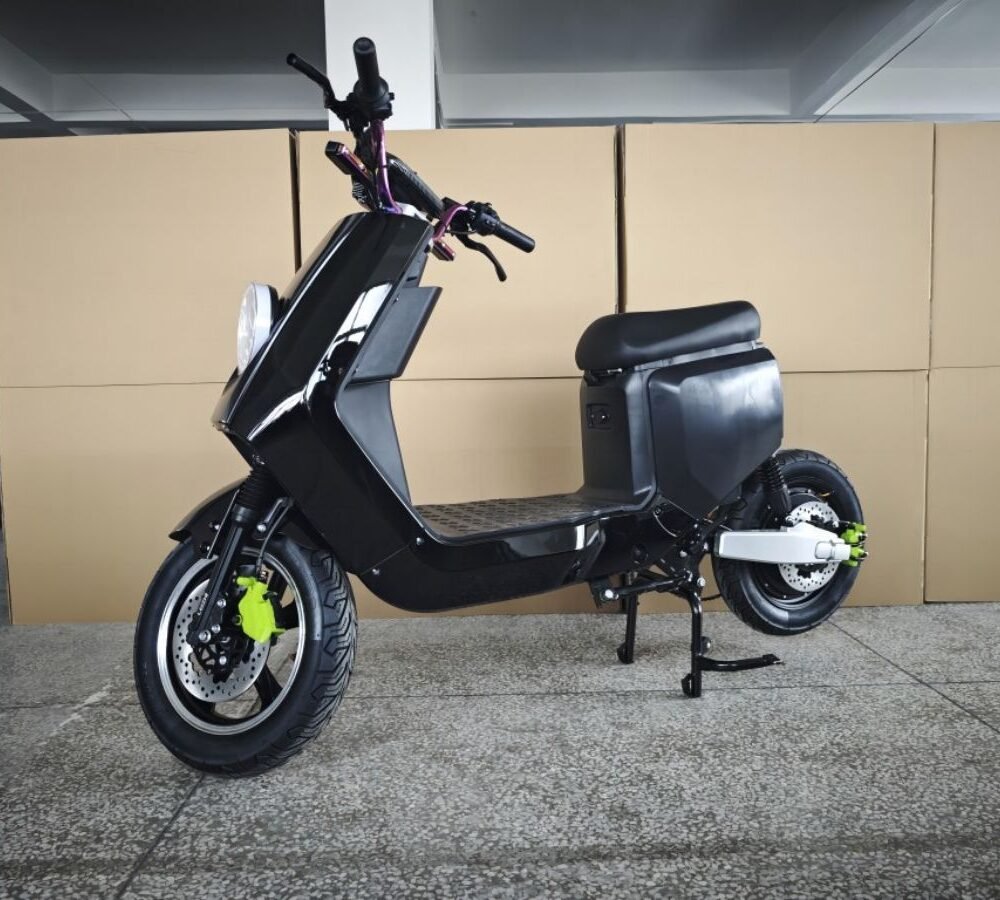


-
ATV scooter
250cc Electric ATV liideway250
-
ATV scooter
ATV electric motorcycle liideway HM-1
-
ATV scooter
Electric ATV Scooter liideway 260
-
ATV scooter
High-Power Electric Scooter liideway270
-
ATV scooter
Shop Self-Balancing Scooters
- ATV scooter
250cc Electric ATV liideway250
- ATV scooter
ATV electric motorcycle liideway HM-1
- ATV scooter
Electric ATV Scooter liideway 260
- ATV scooter
High-Power Electric Scooter liideway270
- ATV scooter
Shop Self-Balancing Scooters
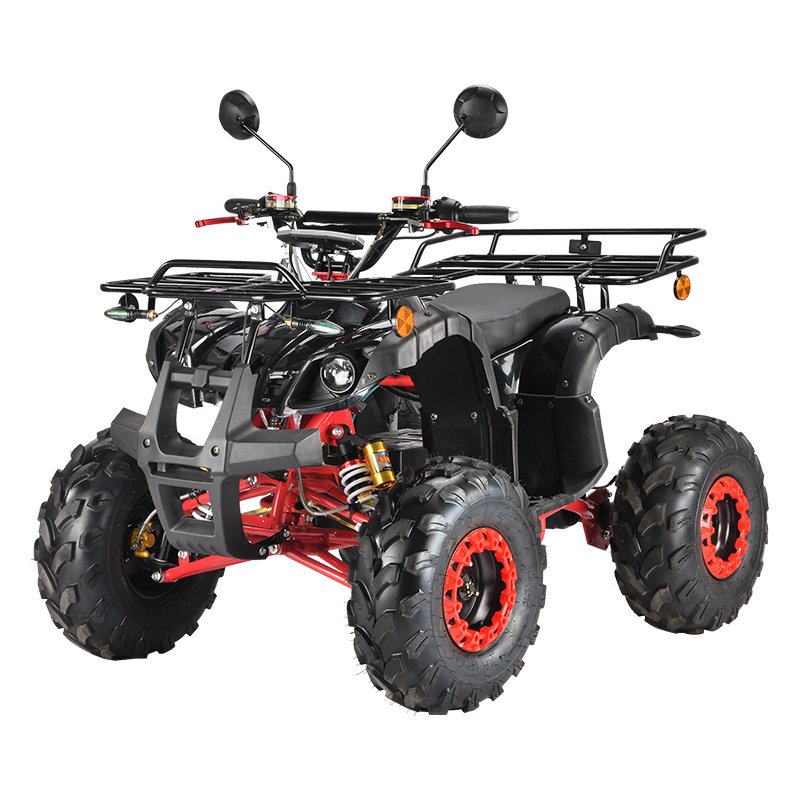

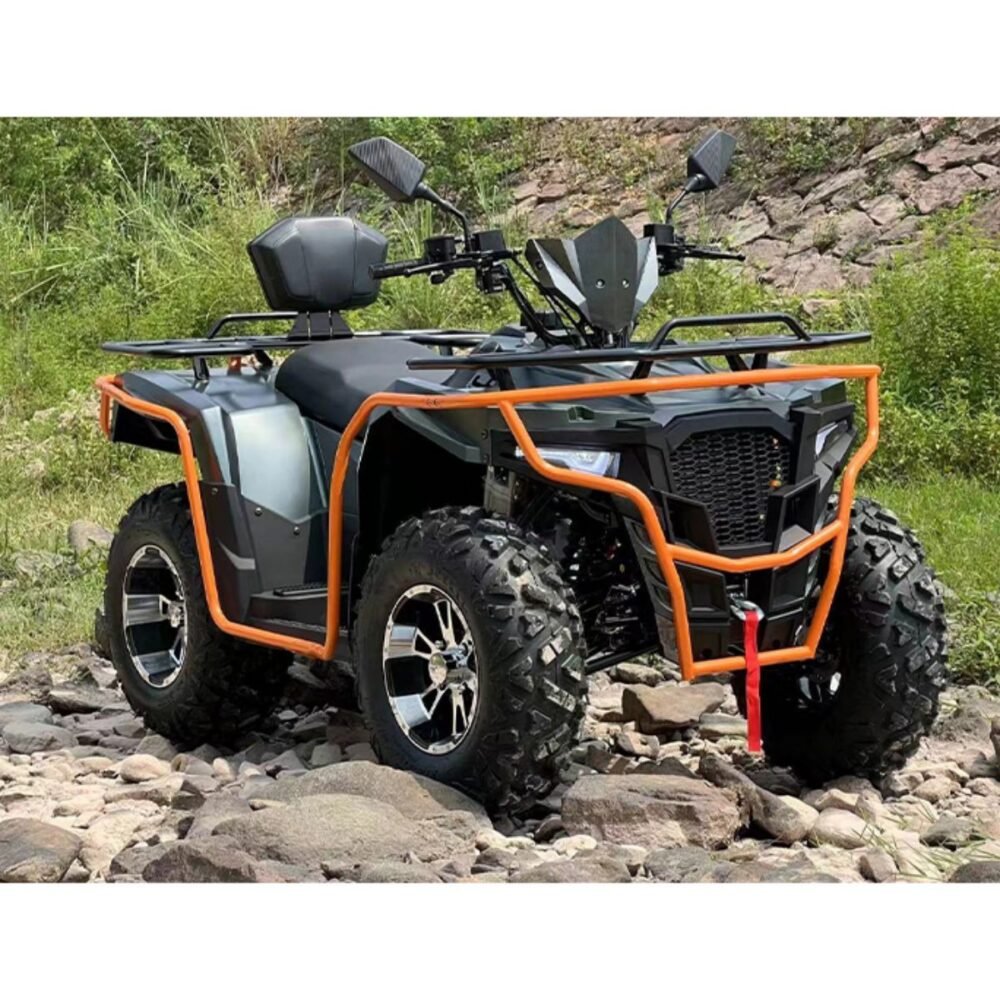
-
EEC scooter
Chopper Scooter for Adults liideway S8
-
EEC scooter
CityCoco bike liidewayL9
-
EEC scooter
CityCoco double motor liideway HM-7
-
EEC scooter
CityCoco for sale liideway M3max
-
EEC scooter
citycoco scooter liideway C1
-
EEC scooter
CityCoco speed liideway HM3
-
EEC scooter
Electric chopper bike for adults liideway RS09
-
EEC scooter
Electric chopper liideway T8 (EEC)
-
EEC scooter
Electric two-wheeler Harley RS06
-
EEC scooter
Electric Vehicle liideway L16
-
EEC scooter
Harley e-scooter liideway M3EEC
-
EEC scooter
Harley electric scooter range liieway HR6EEC
- EEC scooter
Chopper Scooter for Adults liideway S8
- EEC scooter
CityCoco bike liidewayL9
- EEC scooter
CityCoco double motor liideway HM-7
- EEC scooter
CityCoco for sale liideway M3max
- EEC scooter
citycoco scooter liideway C1
- EEC scooter
CityCoco speed liideway HM3
- EEC scooter
Electric chopper bike for adults liideway RS09
- EEC scooter
Electric chopper liideway T8 (EEC)
- EEC scooter
Electric two-wheeler Harley RS06
- EEC scooter
Electric Vehicle liideway L16
- EEC scooter
Harley e-scooter liideway M3EEC
- EEC scooter
Harley electric scooter range liieway HR6EEC
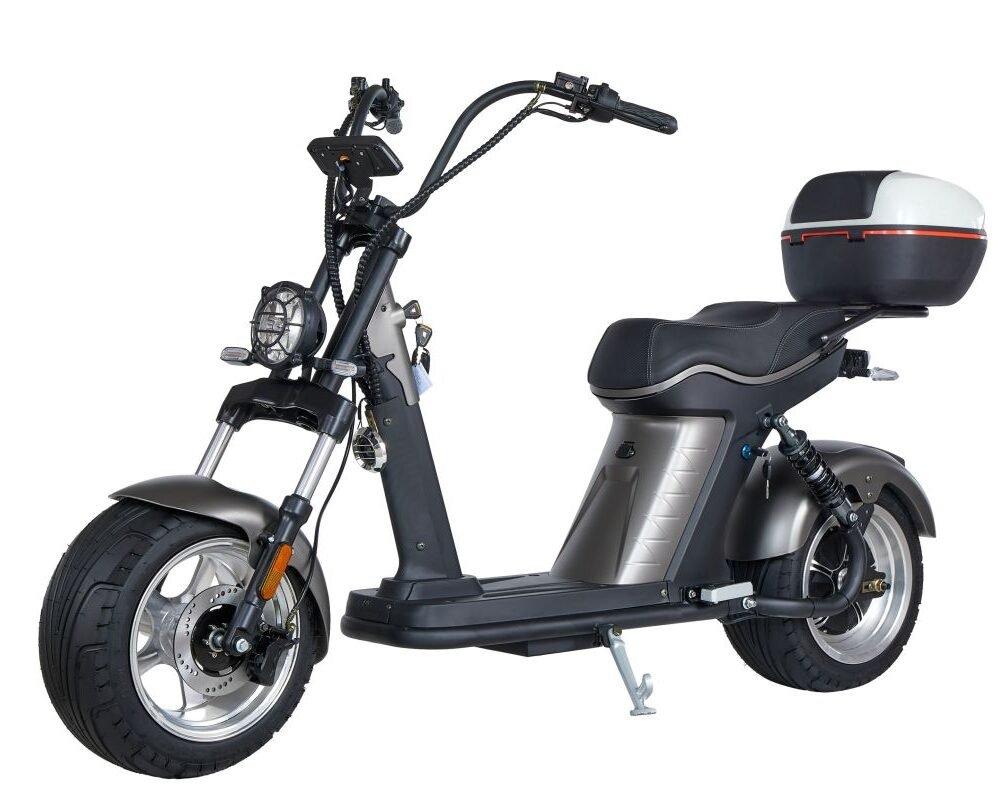
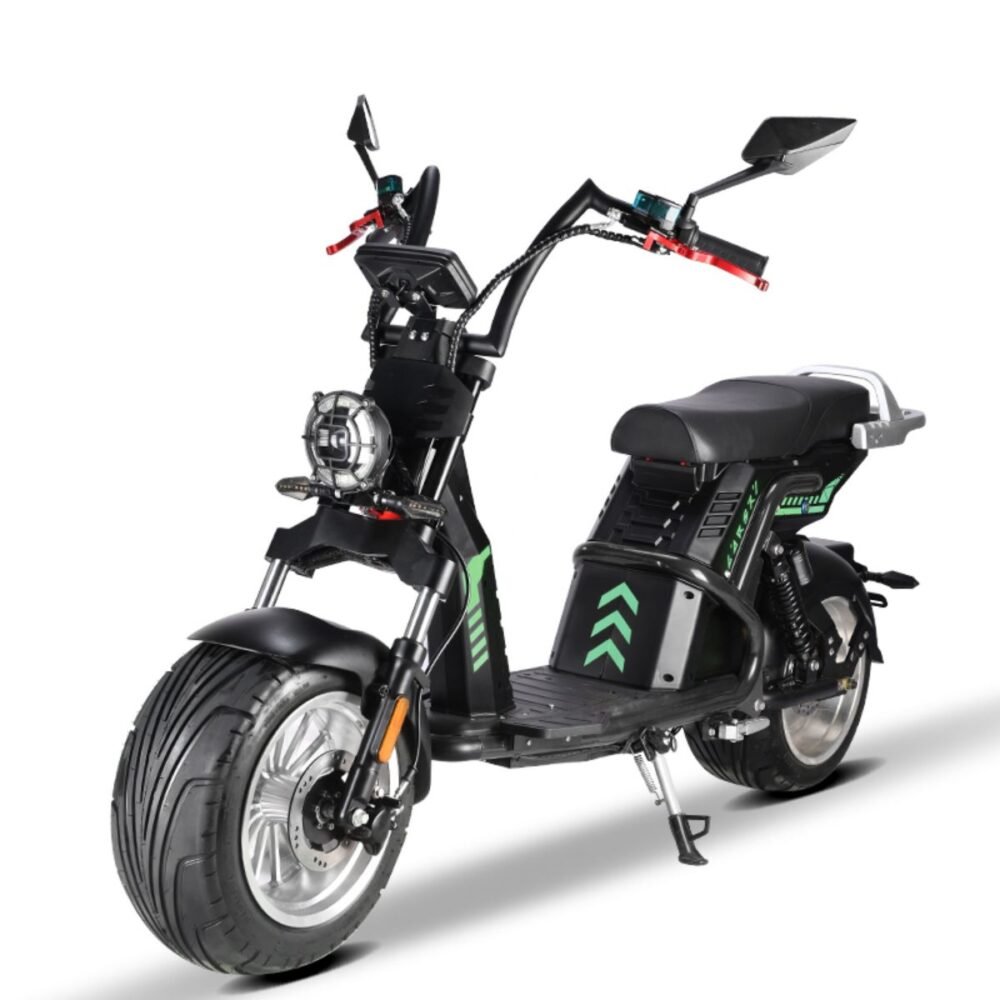
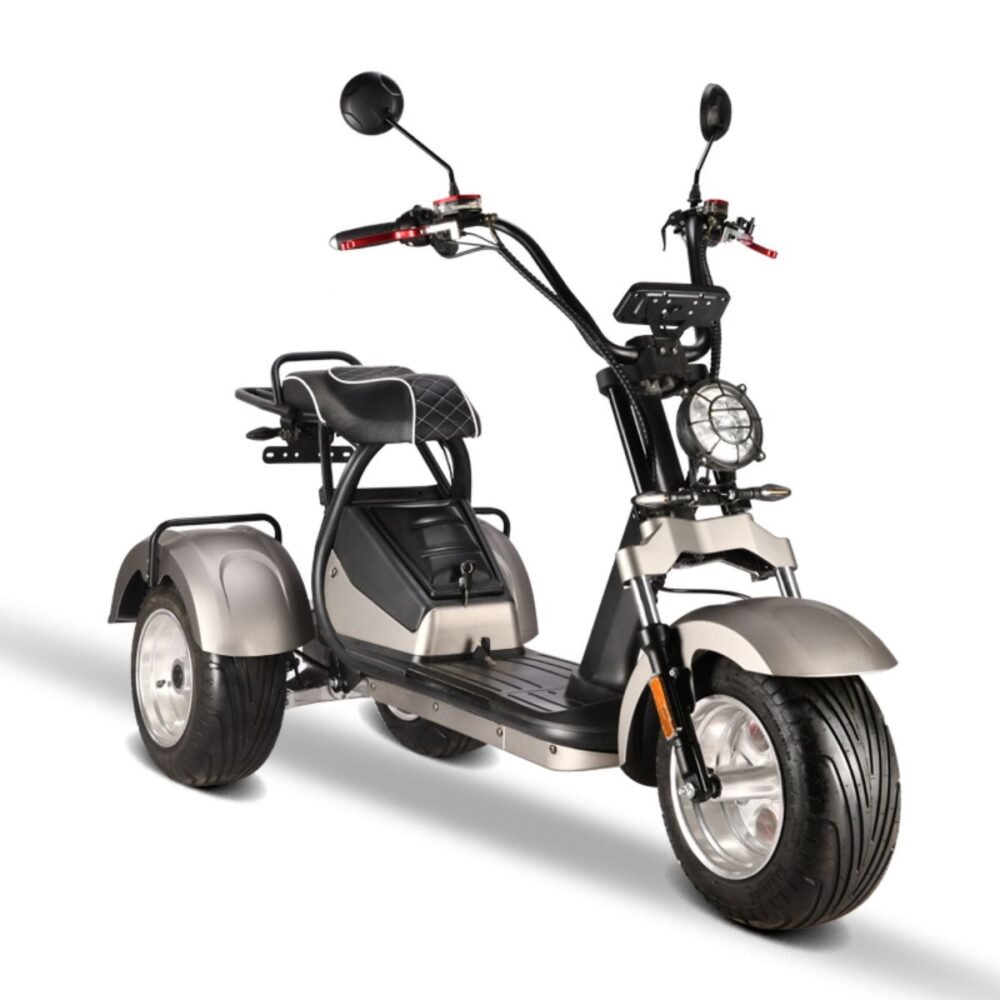
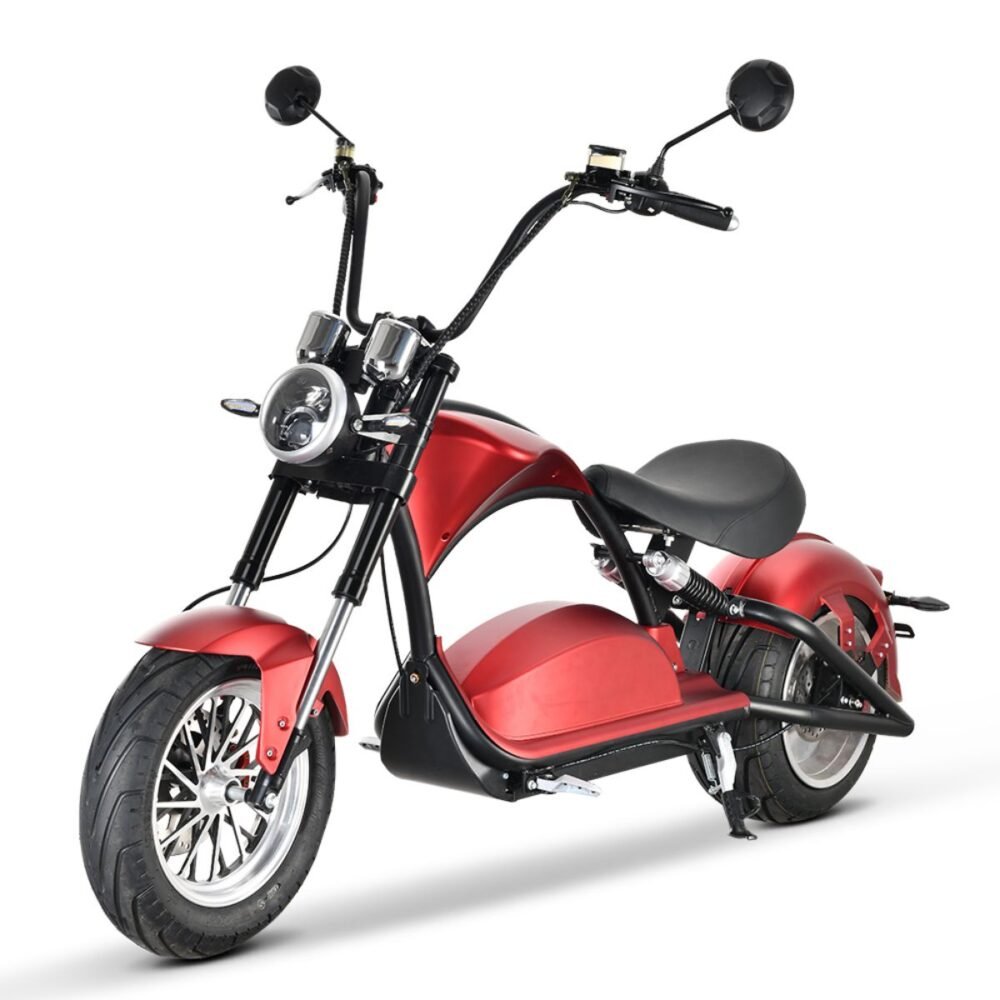
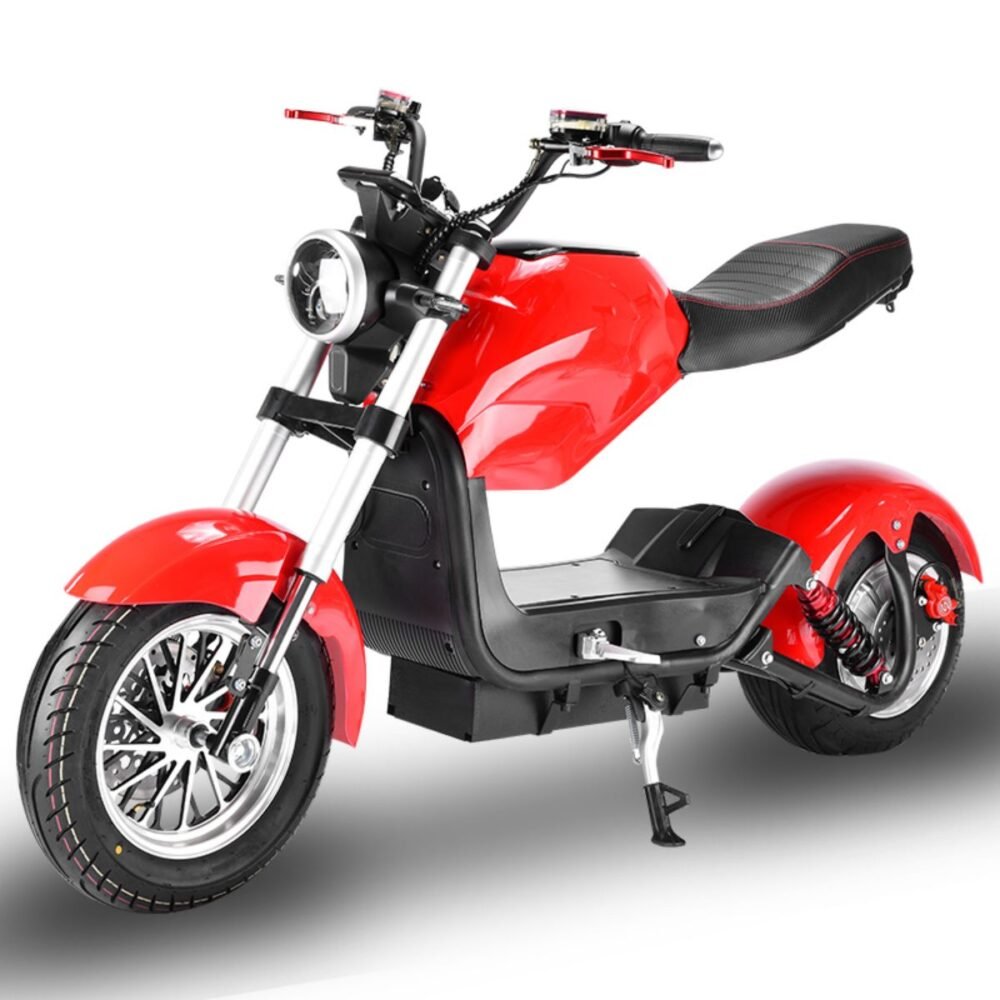
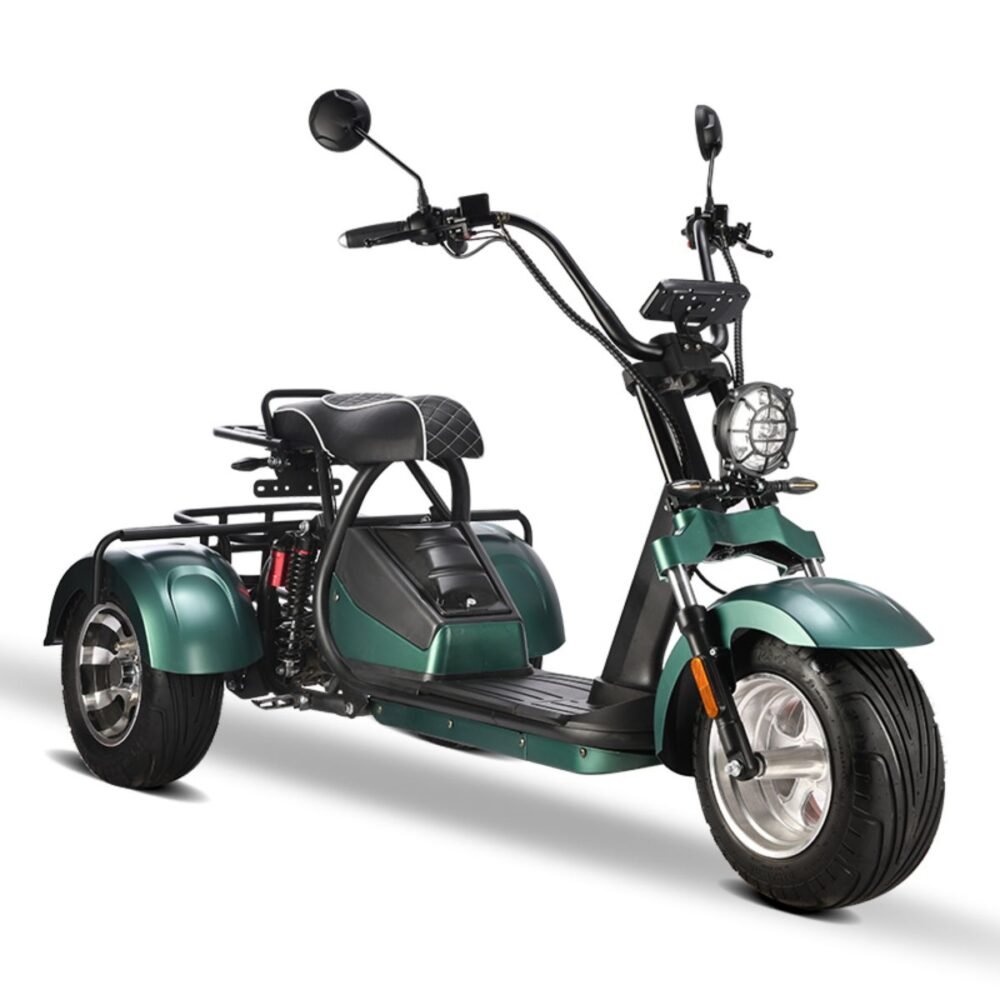

www.liideway.com
www.leadwaycn.com
www.prxel.com
www.elctrs.com
www.mdcem.com
www.elxpros.com
www.fame5.com
www.myqex.com
www.liidewayscooter.com
www.bikesscooter.com
www.scootersbike.com
www.rilla.com.cn
www.imovingon.com
www.goocycle.com
www.igoofast.com
www.scooterelectric.cn
www.bikeelectric.cn
Explore the revolutionary technology behind self-balancing motorcycles, designed to enhance rider safety and confidence. This blog post delves into the mechanics of self-balancing systems, their benefits for new riders, and the challenges facing their widespread adoption. Learn about the promising future of these innovative bikes, including advancements in AI and battery technology, and how they could transform the motorcycle riding experience. Discover how self-balancing motorcycles are paving the way for greater inclusivity and safety within the motorcycling community.
The Future of Riding: Exploring Self-Balancing Motorcycles
Introduction to Self-Balancing Motorcycles
Self-balancing motorcycles are a significant advancement in motorcycle technology that promise to revolutionize the riding experience. The fundamental concept behind these innovative machines is their ability to maintain stability without any active intervention from the rider. This is achieved through the integration of sophisticated sensors, gyroscopes, and algorithms designed to monitor and adjust the motorcycle’s balance in real-time.
The core technology at play in self-balancing motorcycles typically includes inertial measurement units (IMUs) that detect the tilt and motion of the bike. These sensors continuously provide data to the motorcycle’s onboard computer, which processes this information using advanced algorithms. The computer, in turn, activates system components to make necessary adjustments, such as adjusting the throttle, steering, or braking to keep the motorcycle upright. This technology effectively allows for safer riding, particularly for novice riders or those who might struggle with traditional motorcycles.
The journey toward motorcycle stability technology has a rich history, beginning with early efforts to improve rider safety and control. Over the decades, various mechanisms, such as anti-lock braking systems (ABS) and traction control, have been developed to enhance stability. However, it was only with the advent of miniaturized sensors and powerful processing capabilities that engineers could create truly self-balancing systems. The evolution of this technology reflects broader trends in the automotive industry, where advancements in artificial intelligence and robotics are increasingly applied to enhance performance and safety.
As the market for self-balancing motorcycles continues to expand, it becomes essential for potential riders to understand the mechanics and benefits of this innovative technology. The prospect of easily maneuverable and stable motorcycles holds great promise for improving the overall riding experience, potentially attracting a new demographic of riders eager to embrace these machines.
Benefits of Self-Balancing Motorcycles
Self-balancing motorcycles represent a significant advancement in the realm of personal transportation, offering a multitude of advantages that enhance the overall riding experience. One of the primary benefits is the enhancement of rider safety. These innovative bikes are equipped with cutting-edge technology that allows for automatic stabilization, which reduces the risk of falls and accidents significantly. Riders, particularly those who are new to motorcycling, can experience a more secure and reassuring ride, even in challenging conditions.
In addition to safety, self-balancing motorcycles promote an ease of use that is particularly beneficial for beginners. Traditional motorcycles often require a steep learning curve, where managing balance becomes a crucial skill. Self-balancing systems assist riders in maintaining stability, allowing them to focus on mastering other essential aspects of riding, such as throttle control and steering. Consequently, this technology lowers the barriers to entry for potential riders who may feel hesitant to try motorcycling, ultimately broadening the community and fostering greater interest in this mode of transportation.
Moreover, the stable ride offered by self-balancing motorcycles extends its advantages to low-speed situations as well as when the motorcycle is stopped. It becomes easier for riders to navigate through congested urban environments, making sudden stops and low-speed maneuvers with confidence. This ability to manage low-speed scenarios effectively can significantly decrease the likelihood of low-speed accidents, which are commonly reported among traditional motorcycle riders. Over time, as more riders adopt self-balancing motorcycles, a potential reduction in motorcycle-related injuries could positively influence insurance rates and overall public perception of motorcycling as a safe and enjoyable hobby.
Challenges and Limitations segway scooter costco
The introduction of self-balancing motorcycles represents a significant advancement in motorcycle technology; however, several challenges and limitations are associated with their development and widespread adoption. A primary concern revolves around potential technical issues, as these vehicles rely on complex systems of sensors, gyroscopes, and algorithms to maintain balance. Any failure in these systems could lead to catastrophic outcomes. Furthermore, the intricacy of these technological components necessitates ongoing maintenance and could result in higher repair costs compared to conventional motorcycles.
Cost is another barrier to the mass adoption of self-balancing motorcycles. The advanced technology needed to develop these vehicles typically results in a higher purchase price. Consumers may be hesitant to invest in self-balancing models that may or may not deliver on their promises of safety and convenience. The dichotomy of initial expense versus long-term benefits raises critical questions for potential buyers about whether these motorcycles offer justifiable value.
Market availability is also an issue that potential riders face. As of now, only a limited number of manufacturers have ventured into producing self-balancing options. Consequently, selection is constrained, and companies that produce these innovative motorcycles may not have strong distribution channels, thereby hindering access for interested consumers. Additionally, there exists a prevailing skepticism among riders regarding the reliance on technology to achieve balance. Traditional motorcyclists may feel that the allure of self-balancing functions undermines the foundational skill elements of motorcycling.
Finally, regulatory hurdles could impact the mainstream acceptance of self-balancing motorcycles. Legislation regarding their usage may lag behind technological innovation, resulting in uncertainty regarding safety standards and insurance policies specifically tailored to these vehicles. Overall, addressing these challenges is crucial for facilitating the successful integration of self-balancing motorcycles into the riding community.
The Future of Self-Balancing Bikes
The future of self-balancing motorcycles appears promising, driven by rapid advancements in technology and a shift in consumer expectations. One of the most exciting prospects is the integration of artificial intelligence (AI) into these machines, amplifying their capabilities. AI could facilitate features such as predictive stability control, enabling the bike to assess and react dynamically to changing road conditions and rider inputs. This predictive capability can enhance safety and comfort, allowing riders to navigate challenging terrains with confidence.
Battery technology also plays a critical role in shaping the future landscape of self-balancing motorcycles. As improvements in energy density and charging speeds occur, electric motorbikes will become more viable for long-distance travel. Enhanced battery performance could extend the range significantly, providing riders with the freedom to venture further without the constant worry of recharging. Moreover, advancements in sustainable battery production might lead to environmentally friendly motorcycles that attract ecologically conscious consumers.
Manufacturers will need to adapt not just their production methods but also their marketing strategies to accommodate the growing interest in self-balancing bikes. Emphasizing the safety benefits and enhanced riding experience will be vital as they appeal to a broader audience, including those who have previously been hesitant about motorcycle riding. Additionally, new training programs may emerge to help riders become accustomed to these innovative machines, fostering a culture that embraces technological advancements.
The implications for motorcycle culture could be profound, potentially diminishing the stigma surrounding new riders. As self-balancing bikes become more accessible, they could play a vital role in cultivating community, fostering inclusivity among enthusiasts. The evolution of personal transportation, propelled by self-balancing motorcycles, might lead to a reinvigorated passion for riding and a broader acceptance of diverse riding experiences within the motorcycle community.

Reviews
There are no reviews yet.